Featured

Delhi chaotic and colourful

The capital of India and one of the oldest existing cities in the world with great historical importance. From the Mughal empires, the British Raj era through to the contemporary cosmopolitan city it has become today.
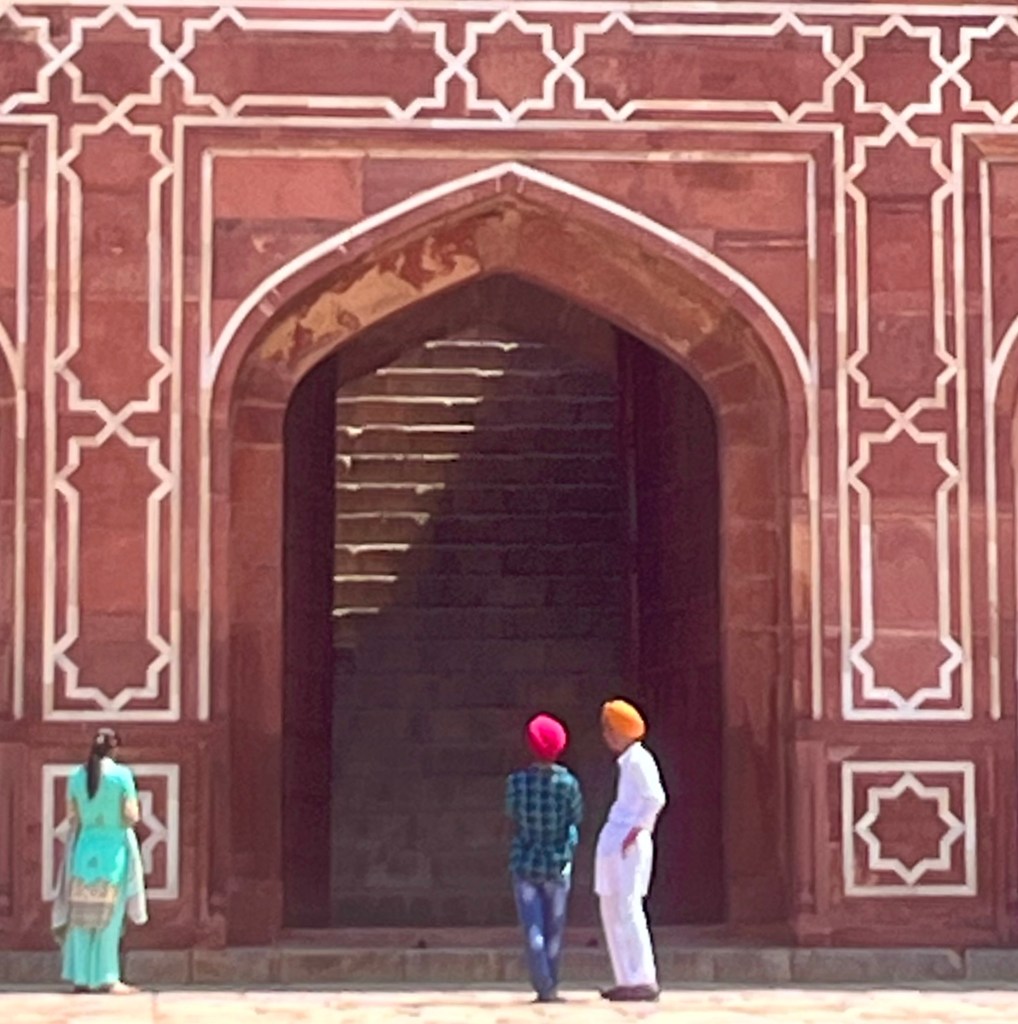
Delhi is a city that can undoubtedly shock the system with its relentless honking of horns, and heaving throng of humanity the sights, sounds and smells took my breath away.
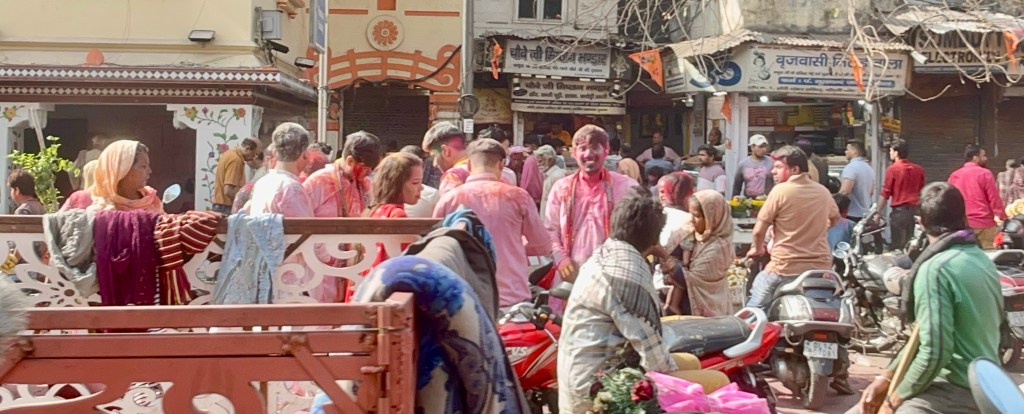
Today it is a large metropolis, with 17 million within city limits and 28 million in the metro area, making it one of the largest urban areas in the world. The political and legislative centre of India. An essential commercial and transport hub for the country.
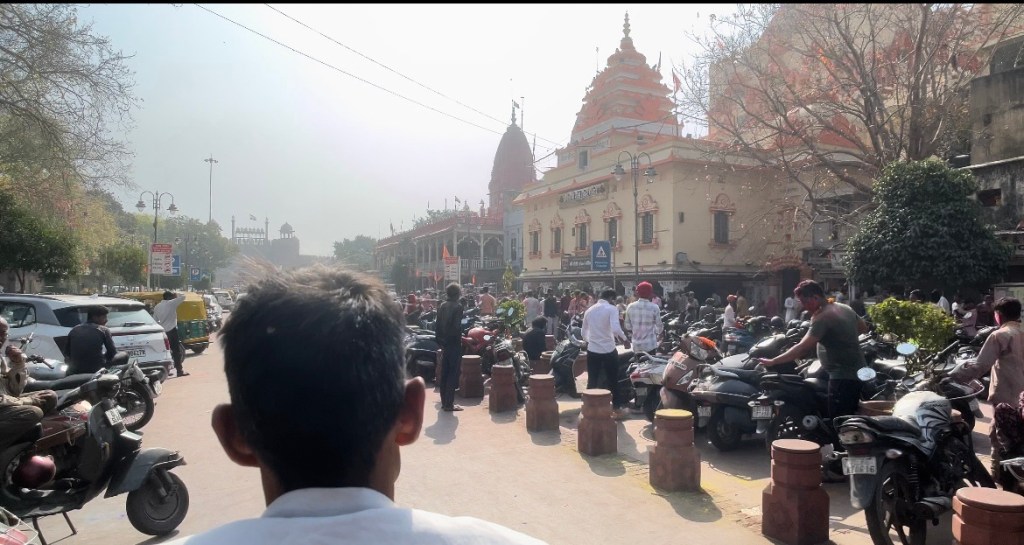
Most foreign travellers fly in and out of Delhi as it is the major gateway to India. Many go on tours such as the Golden Triangle. To overlook Delhi would do the city a great disservice, it is certainly one of the most diverse and historically significant cities in the world.
Happy I was able to spend a few days exploring the city before I commenced my tour. I did not have nearly enough time to explore the city sufficiently but did manage to visit some of its prominent sights.

Delhi and New Delhi what’s the difference?
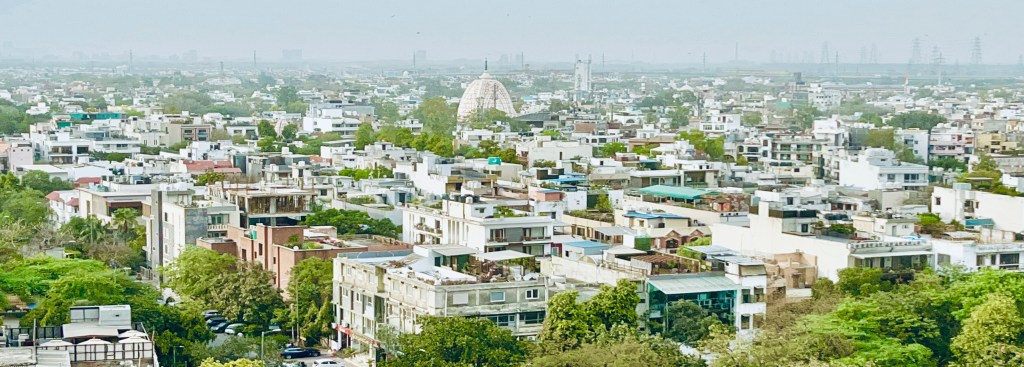
Confusingly there is Delhi and New Delhi. Delhi is the official name of the Republic of Delhi and officially New Delhi is part of the National Capital Territory which is situated within Delhi and was built specifically by the British to serve as the nation’s capital. New Delhi is not officially a city it is the capital of India.
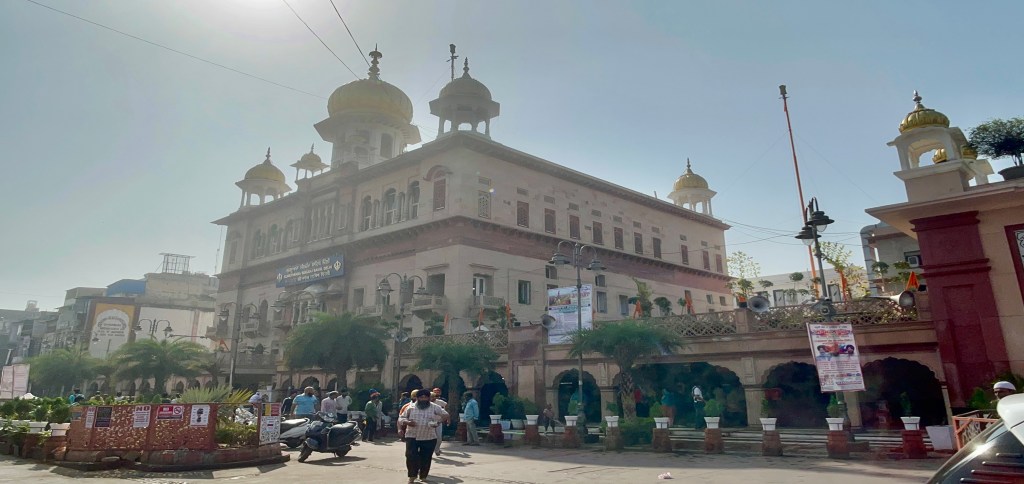
Although both are part of the larger city which has been called Delhi for over 800 years. I am glad that has been explained 😆 It was confusing to me but many Indians are not fully aware of the basic differences between the two.

India Gate

A 42-metre high gate commemorates 700,000 Indian soldiers who lost their lives fighting for the British during the First World War.
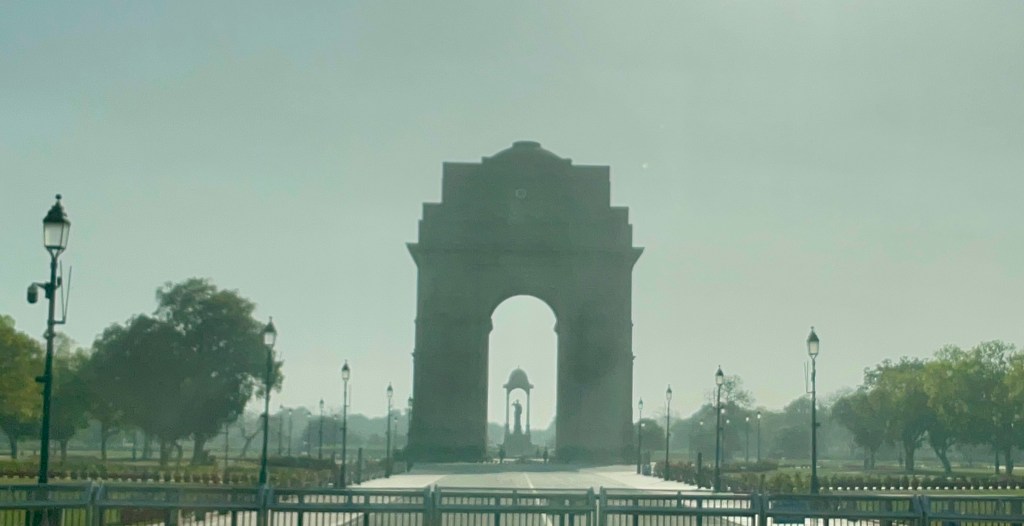
It is situated in the middle of a crossroad. The gate is very much like the Arc-de-Triomphe. Unfortunately, it was closed during our visit as it was an official bank holiday and the area was being prepared for an official function that evening. So I was only able to take a photo from a distance.

Jama Masjid

The largest mosque in India. Commissioned by Shah Jahan in 1644 who also built the Taj Mahal.
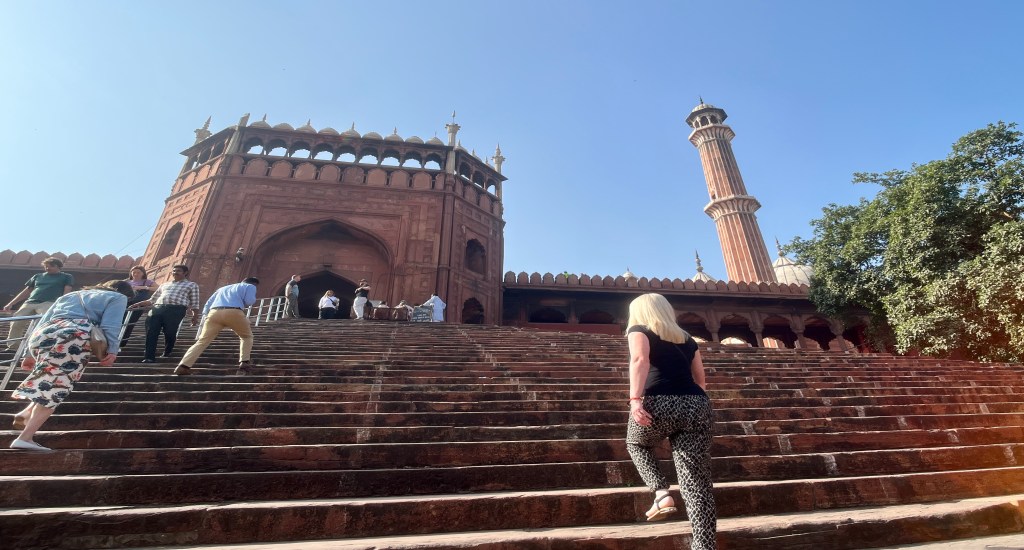
The mosque is an oasis of peace, situated in the heart of Chandni Chowk in Old Dehli it rises 10 meters above street level and we had to ascend 30 steps to reach the entrance.
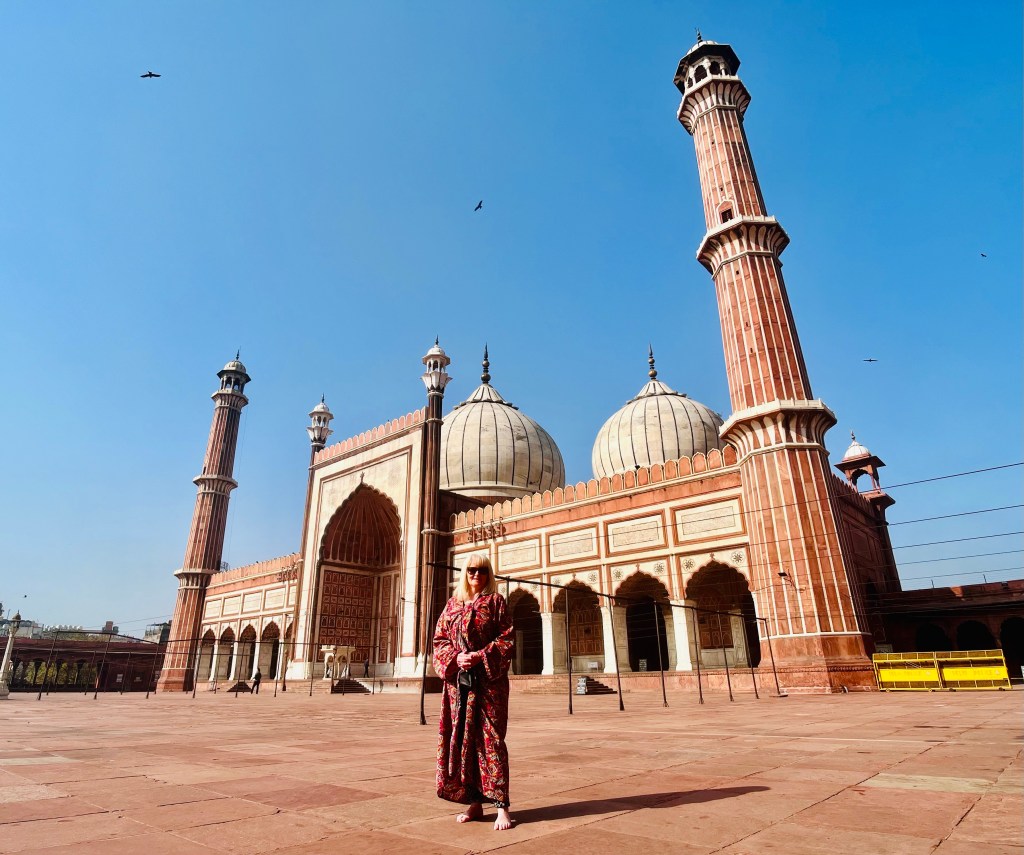
The complex is massive and can hold 25,000 people. It is the city’s principal mosque where Dehli’s Muslims come to Friday prayers, Jama Masjid is Arabic for Friday Mosque.
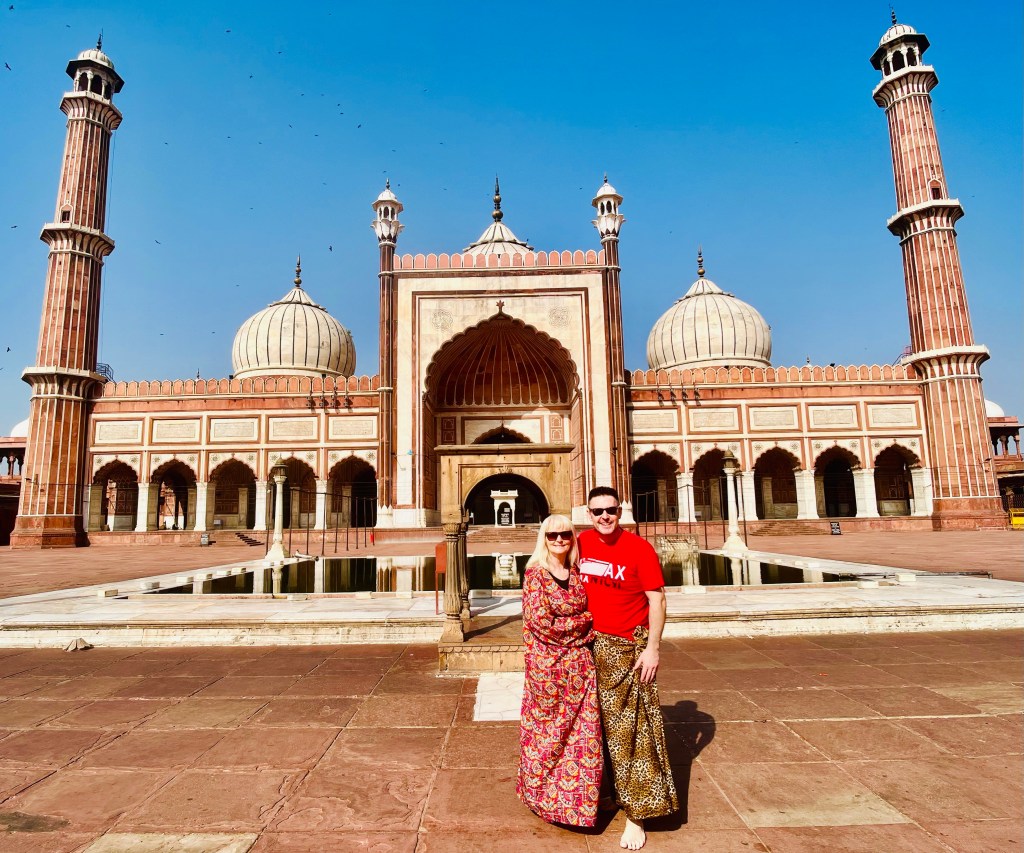
The mosque was constructed between 1650-1656 and took over 5000 workers to complete. The mosque is made from predominately red sandstone with some white marble.
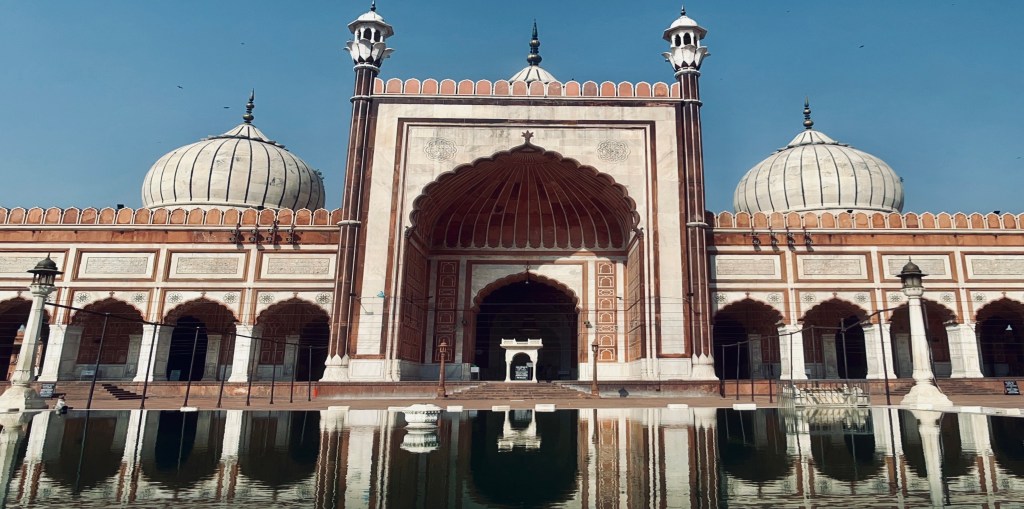
The mosque is built in a Mughal architectural style which was well-known in northern India under the patronage of Mughal Emporers from the mid-16th to the late 17th century.
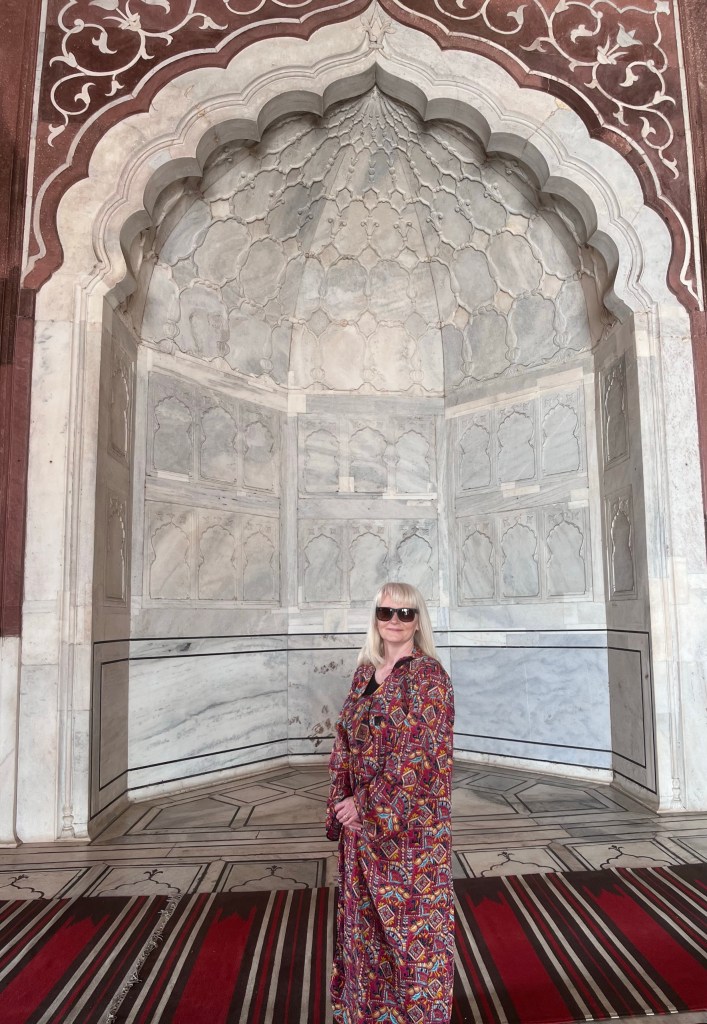
This being a mosque visitors must dress conservatively and shoes must be removed before entering. Just remember the entrance you came in as there are multiple entrance gates, in order to pick your shoes up at the entrance you came in.

Rickshaw ride in Chandni Chowk

One of the oldest and busiest markets in old Delhi.
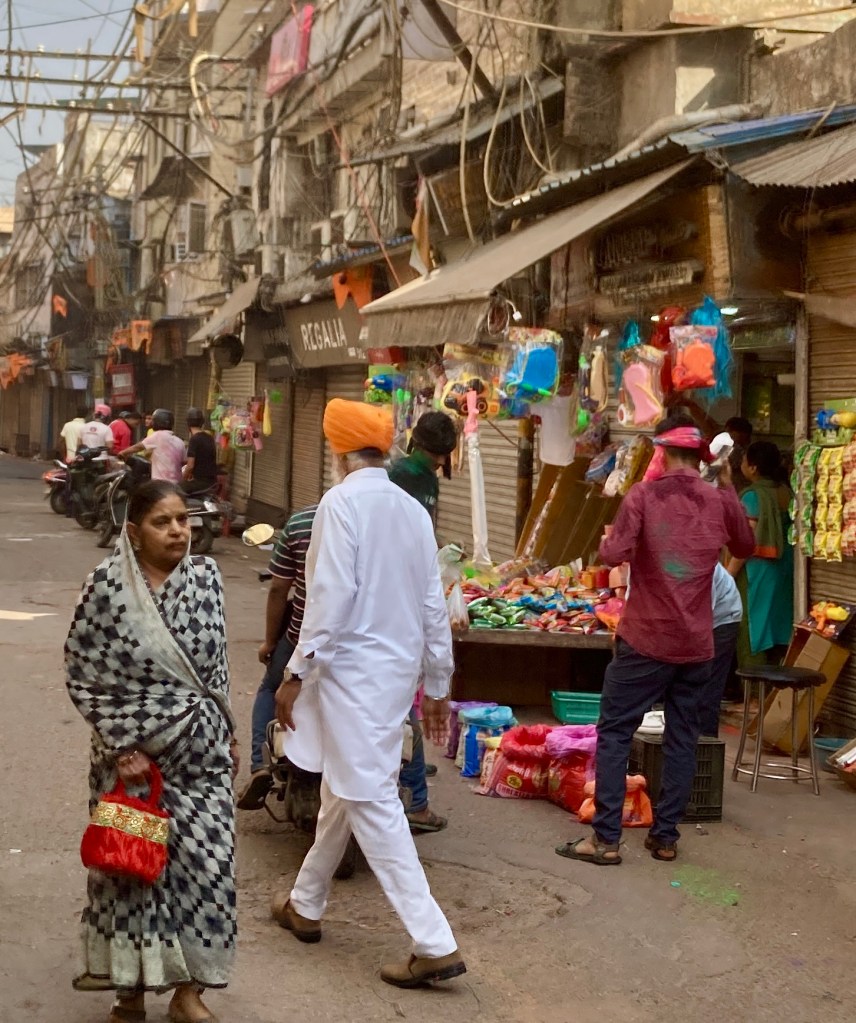
The market is a perpetual hub of activity with narrow cramped lanes, each specializing in a specific product such as spices, jewellery, fresh produce and clothing. Although the day we visited things were a little subdued as it was Holi Day an important religious festival for Hindus with many businesses shut for the day.
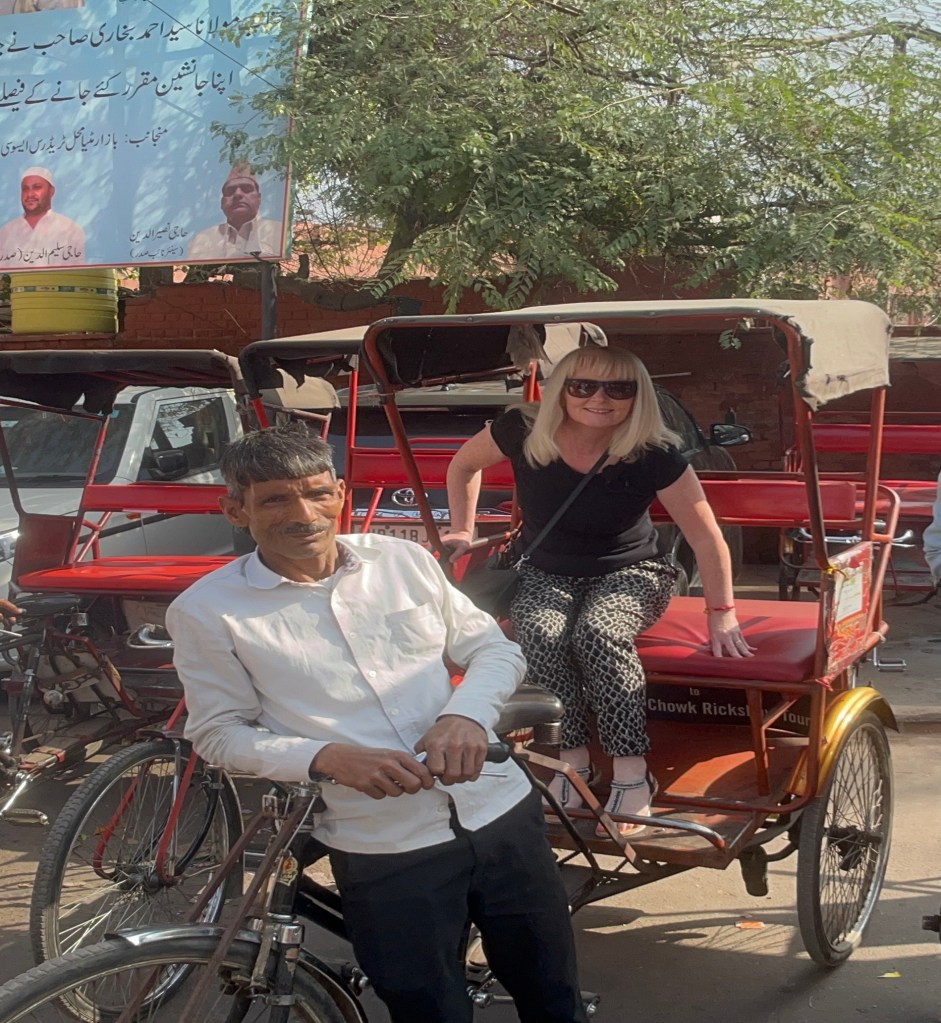
We had booked a rickshaw ride around the Old City. A comfortable “for us anyway not cycling” eco-friendly and adevetourus way to explore the Mughal-built walled city.

This rather unique mode of transportation allowed us to dive straight into the diverse and multicultural area. The sights of old Dehli were loaded with colour and revilement due to the Holi celebrations going on.

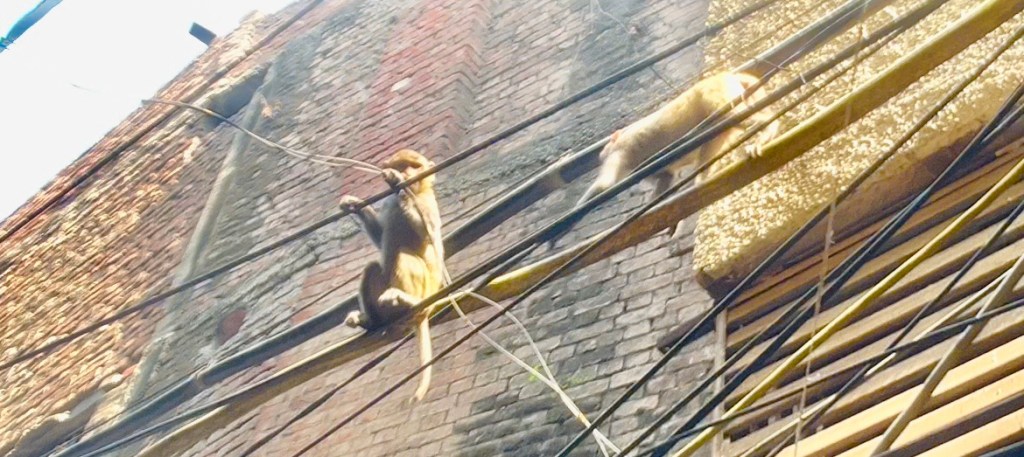
Our experience wasn’t just consigned to people and street level as the area is home to many troops of monkeys which have also made the market their home. Although cute looking to us they can wreak havoc running across busy roads and attacking residents especially if there is food involved.

What enthralled me the most was the prospect of seeing people going about their daily lives. Travel isn’t always about grand monuments and palaces but experiencing a culture and way of life different to my own. But seeing that some things are very similar despite language, culture and religion. We are all different but at the same time, we are all the same.

Humayun’s Tomb

The first garden tomb on the Indian subcontinent. Inspiring several architectural innovations culminating with the Taj Mahal no less.
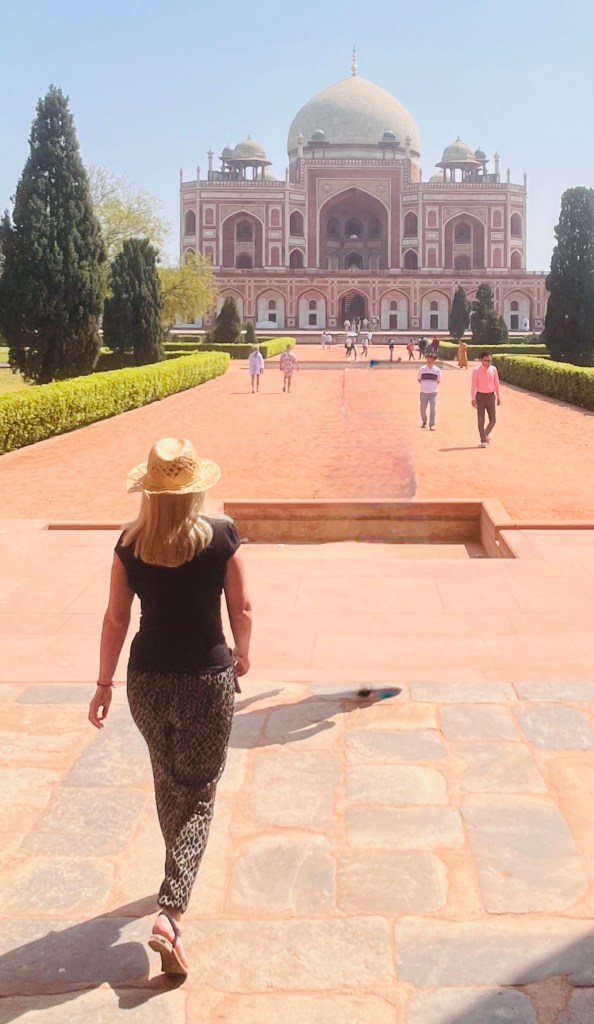
Constructed in 1570 it predates the Taj Mahal by 60 years. The tomb was constructed for a Mughal Emporer by Haji Begun, Emporer Humayun’s Persian-born wife.
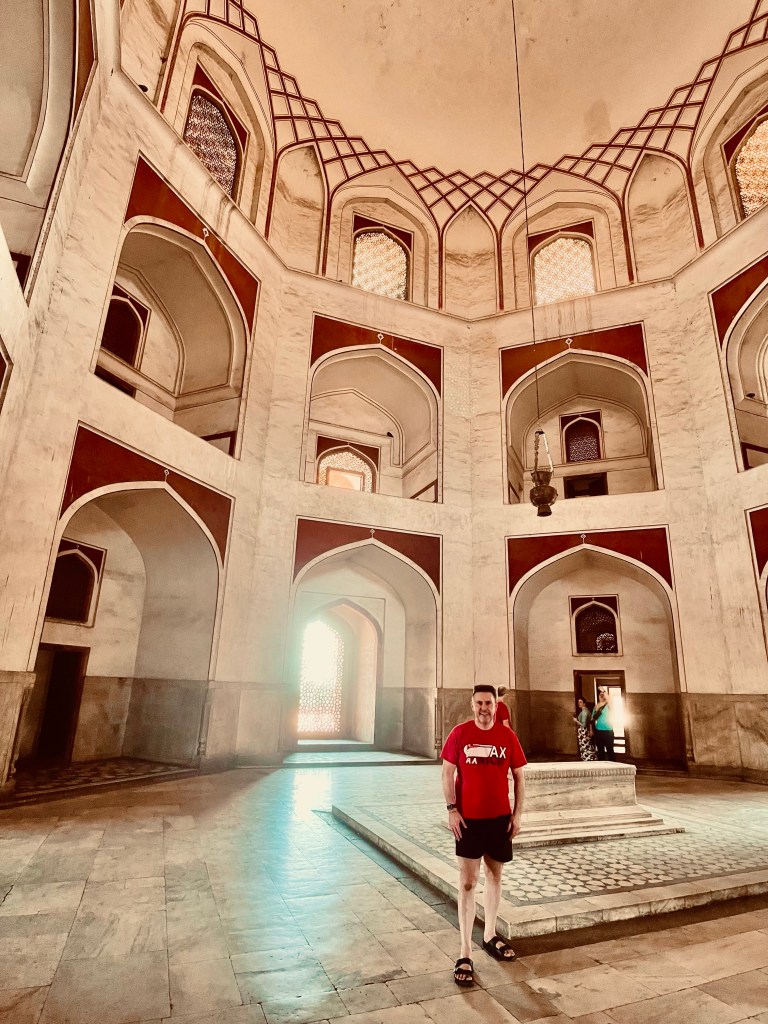
The tomb marries together the Persian and Mughal elements in its design. It is constructed with red sandstone and marble and follows strict Islamic rules regarding geometry with an emphasis on the number 8.
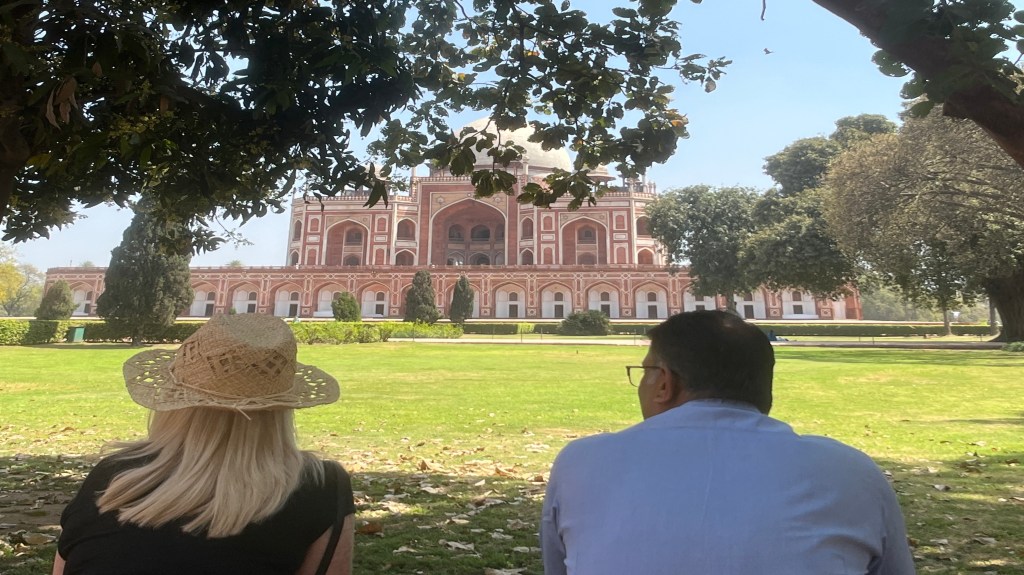
The tomb is sublimely well-proportioned seemingly floating above its symmetrical gardens. The lovely gardens also contain the tomb of his wife and barber. An entrusted position given the nearness of a cut-throat razor to the Emporer’s throat.
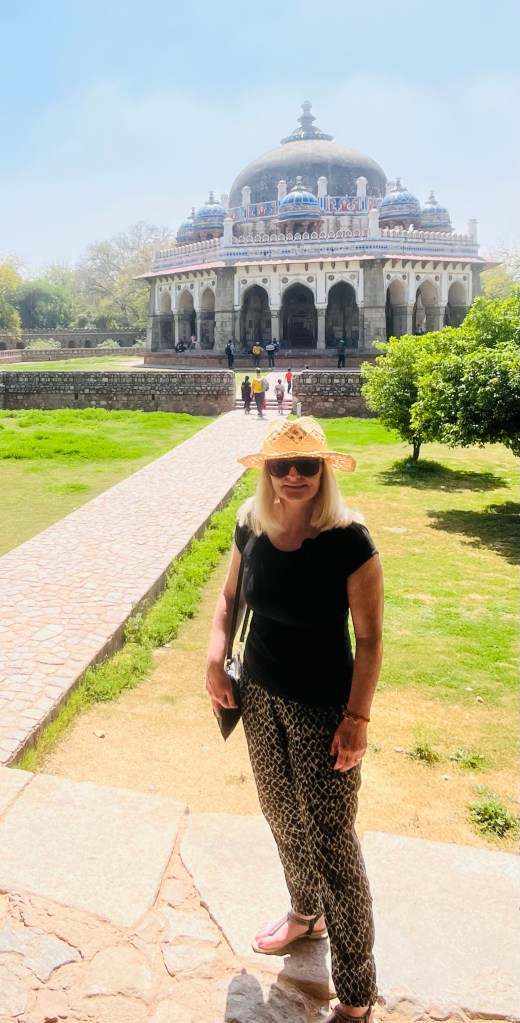
Another beautiful building was Isa Khan’s octagonal tomb. A beautiful blue dome adorned with beautiful carvings set amongst green lawns.
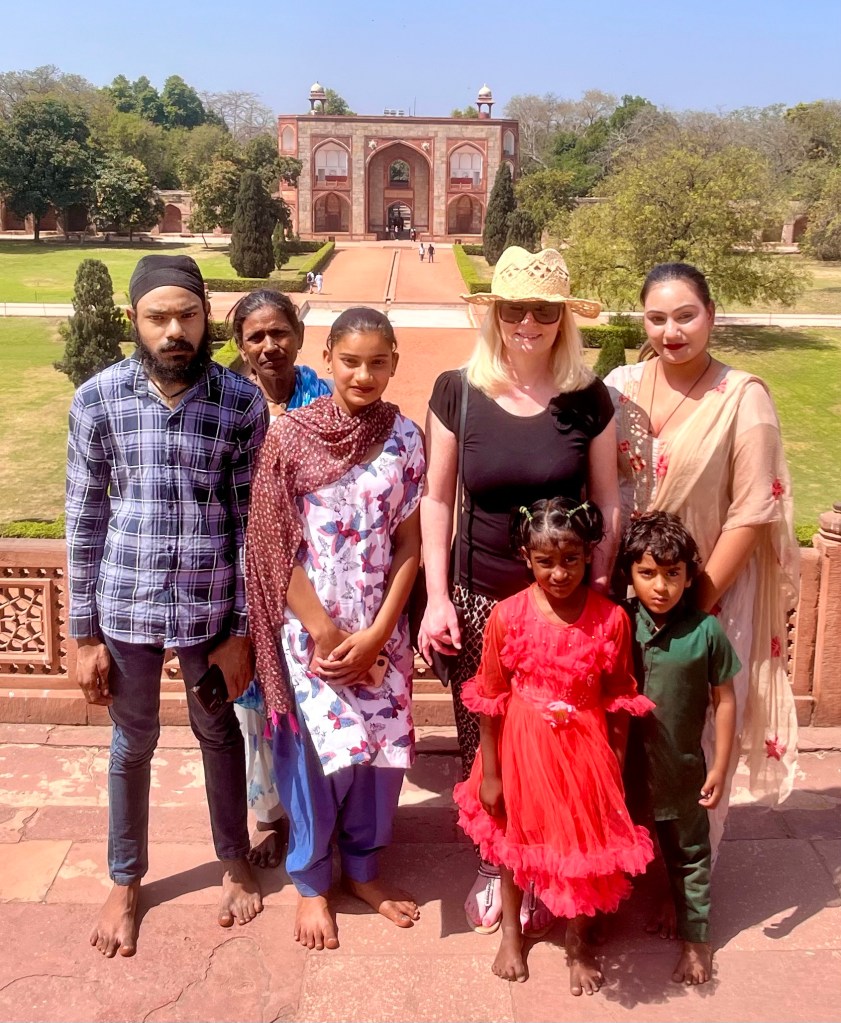
My wife mingling with the locals

There is no shortage of historical sites in Dehli but this UNESCO-listed site was certainly worthy of my time. A calm tranquil atmosphere and amazing historic buildings made for a very enjoyable visit.

Qutab Minar

At 240 feet it is one of Delhi’s most iconic and stunning monuments. It is also a UNESCO World Heritage Site.
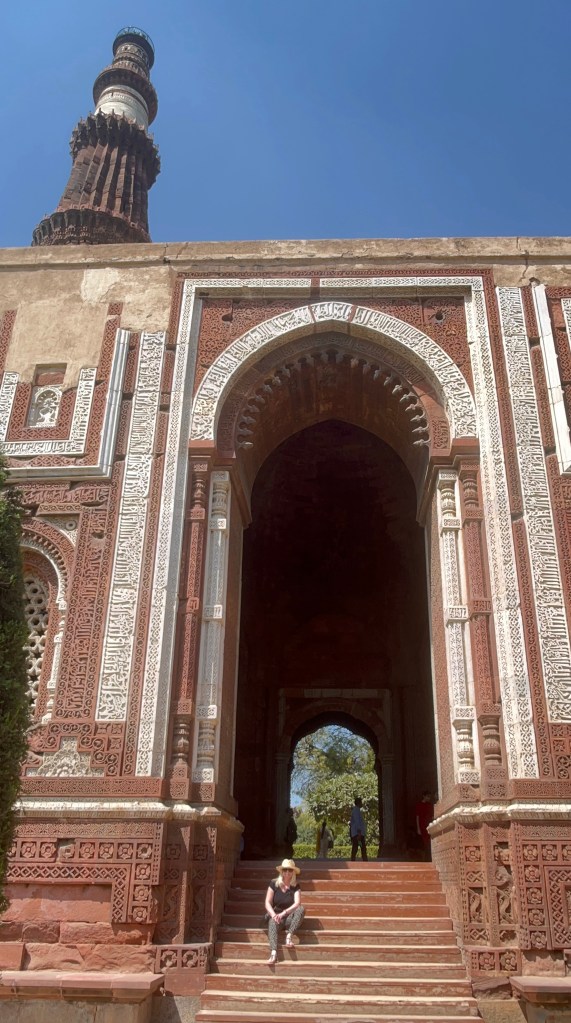
Construction started in the 12th century and was built in three stages by three different rulers of Dehli finally completed in the 14th century.
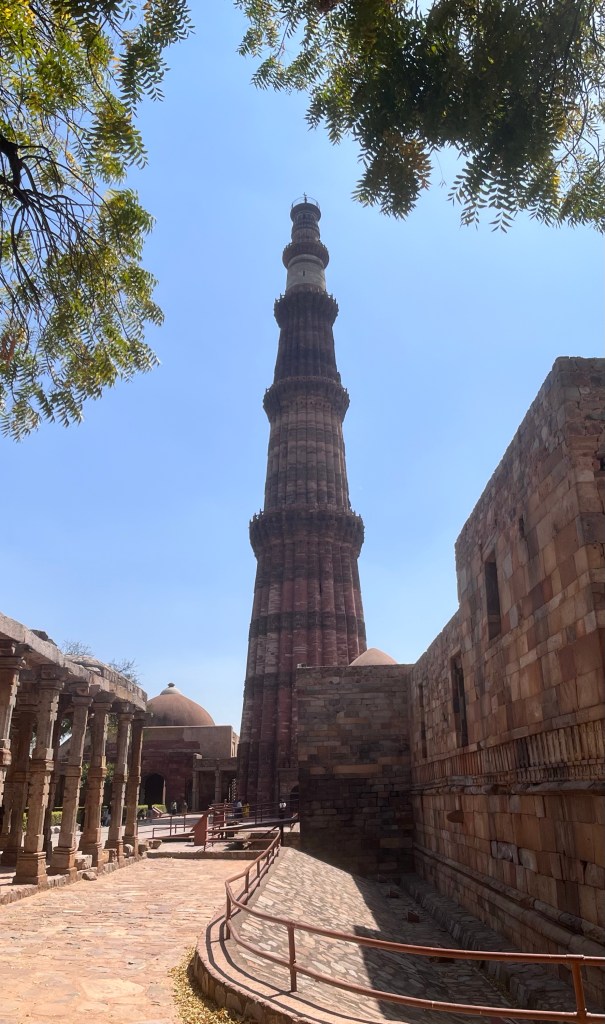
It is the tallest brick minaret in the world. It has five distinct storeys each marked by a protracting balcony and tapers. It has a diameter of 14.32 meters at the base and 2.75 meters at the top.
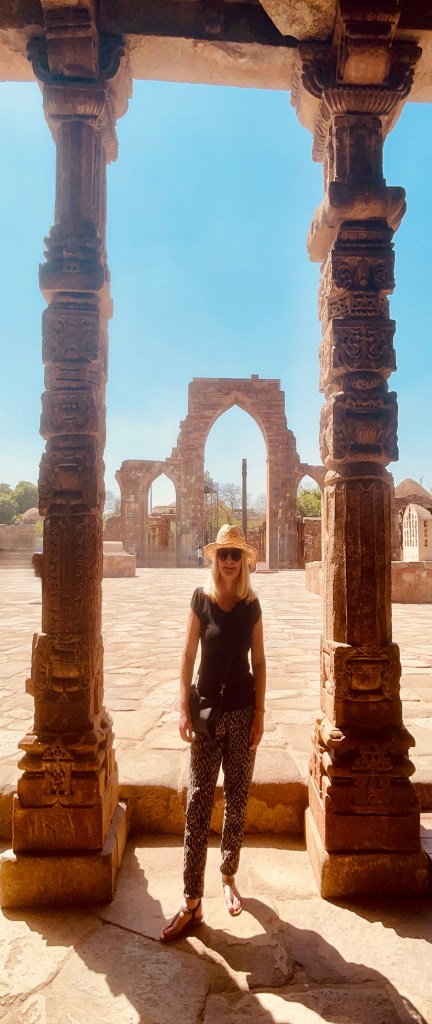
It is home to Quwwat-UI-Islam the first mosque ever built in India. The mosque was built using materials from demolished Hindu and Jain temples and I was able to see some reused architectural elements in the structure.

Qutab Minar is certainly very impressive and has survived the ravage of time impressively. Today it is one of India’s most visited monuments with 4 million visitors annually.

Holi Festival (festival of colour)

It is a popular and significant festival for Hindus. Typically spanning two days. Celebrated as the festival of colours. Which was ongoing during our visit to Dehli.
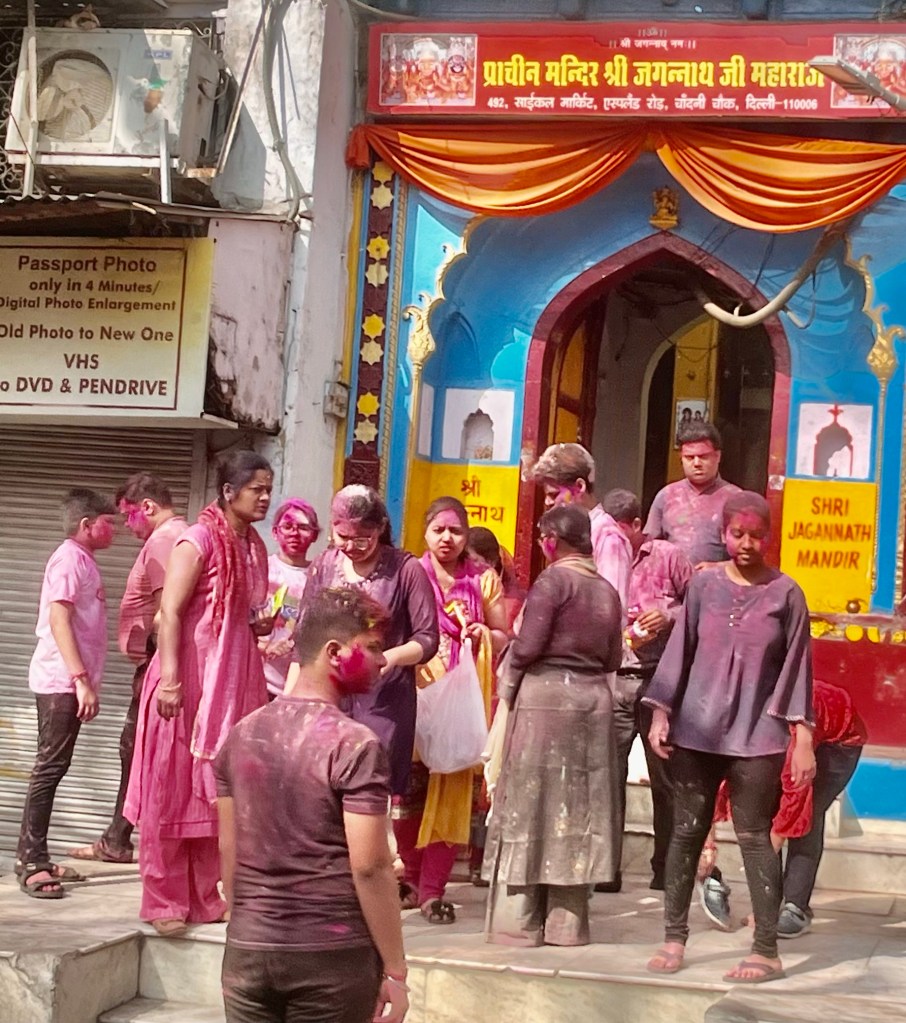
On the first night of Holi people light bonfires and throw roasting grains, popcorn and coconut on them. The next day people of all ages take to the streets for fun and paint-throwing oh yes so much paint-throwing.
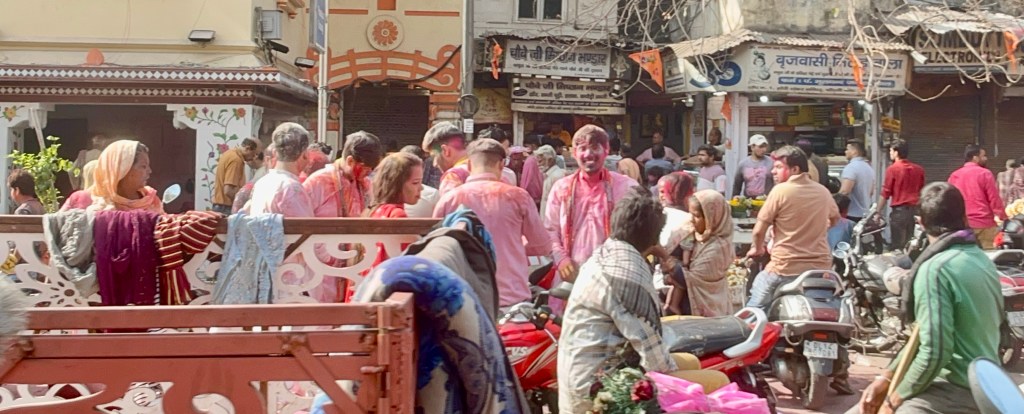
The festival is a way to welcome spring, this is seen as a new beginning where people can release their inhibitions and start fresh again. This is done through much revilement including throwing the colours in the form of paint.

It is said during the festival Hindu gods turn a blind eye and is one of the few occasions extremely devout Hindus allow themselves to let loose.
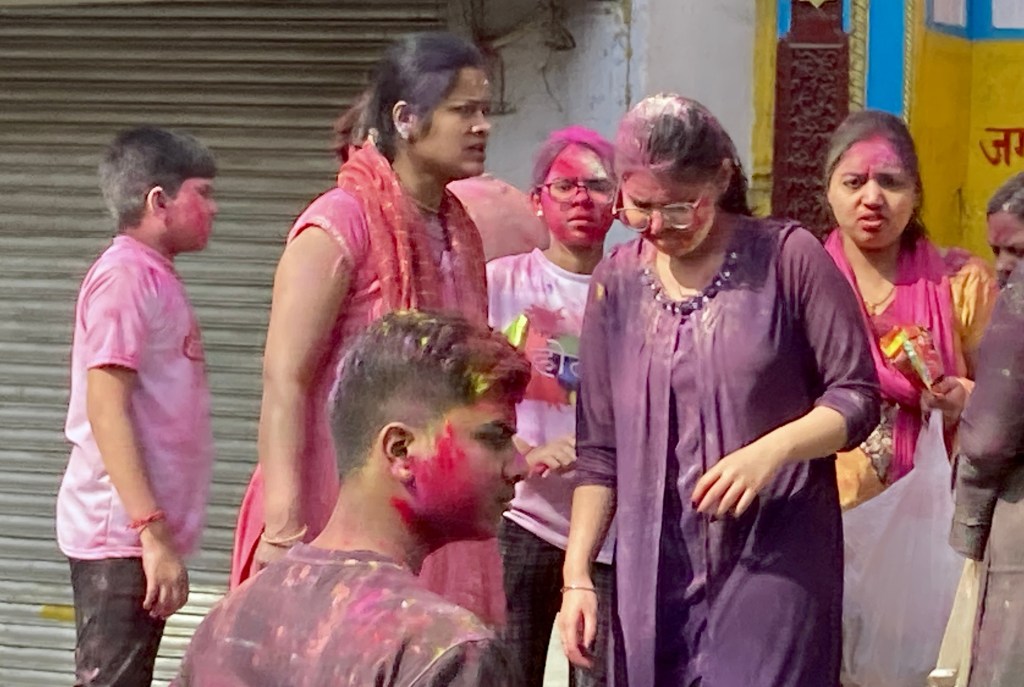
With the relaxation of Hindu social codes, Holi is the most joyous and vivid occasion, it is greatly anticipated due to the fun and mayhem that ensues and it was wonderful to experience this first-hand albeit trying to avoid being paint paint-bombed by the exuberant locals 😄😄😁
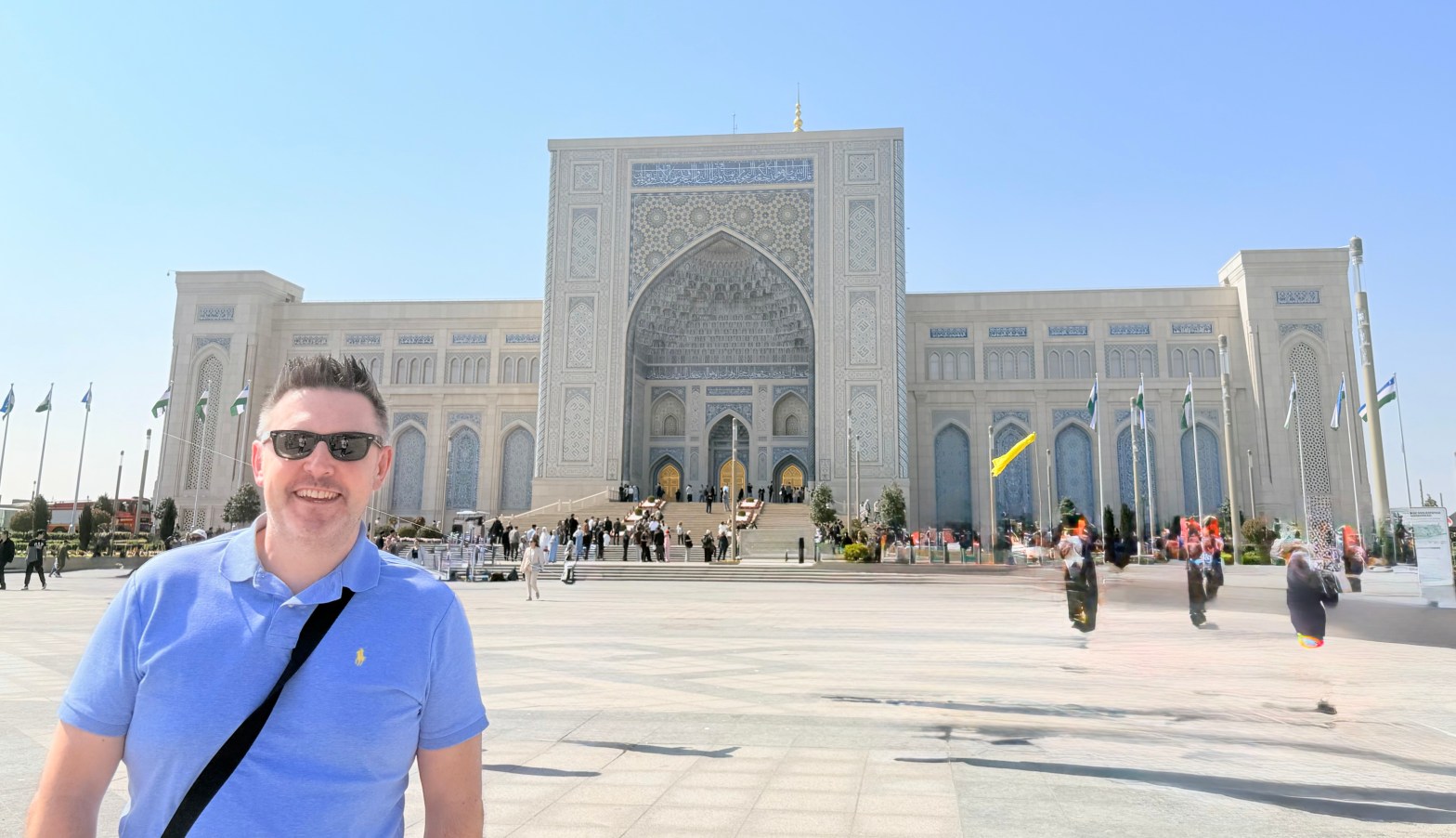
Tashkent: Where Silk Road spirit meets Soviet grit

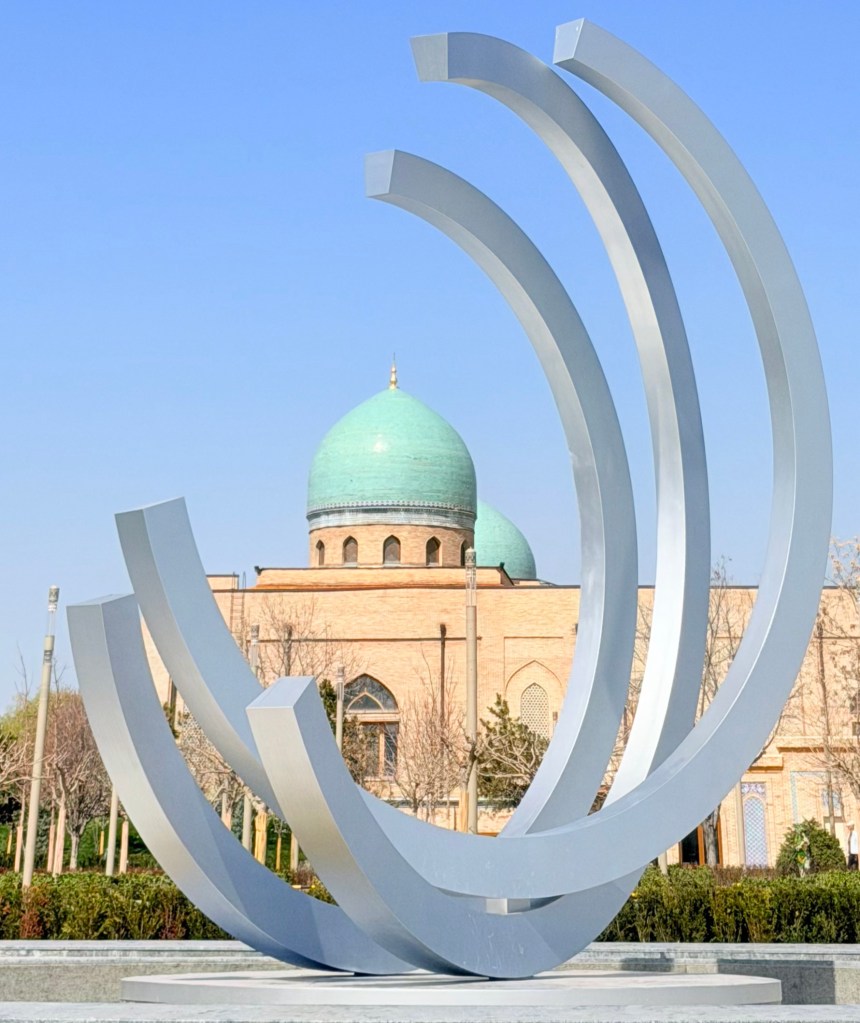
Tashkent, nestled between Silk Road cities and modern skylines, surprises travellers. As Uzbekistan’s capital, it uniquely and authentically blends history, culture, and modern life.

Our journey through Uzbekistan kicked off in Tashkent, the bustling capital. With just a day and a half to soak in the city’s vibrant atmosphere, we made the most of our time by visiting the iconic landmarks.

Tashkent left me pleasantly surprised with its contemporary atmosphere. In contrast to the medieval allure of Samarkand or Bukhara, Tashkent stands out with its expansive layout, featuring broad, tree-lined boulevards.

After the 1966 earthquake, Tashkent was rebuilt under Soviet planning, introducing bold examples of Brutalist architecture with large-scale concrete structures and wide urban layouts. Today, the city reflects this period, blending Soviet modernism with local influences.

Tashkent, Uzbekistan’s capital, may not top many travellers’ lists, but it’s a fascinating place to explore. As travel to Uzbekistan becomes easier and the country opens up to tourists,

Tashkent: A City of Hidden Treasures

Tashkent Underground

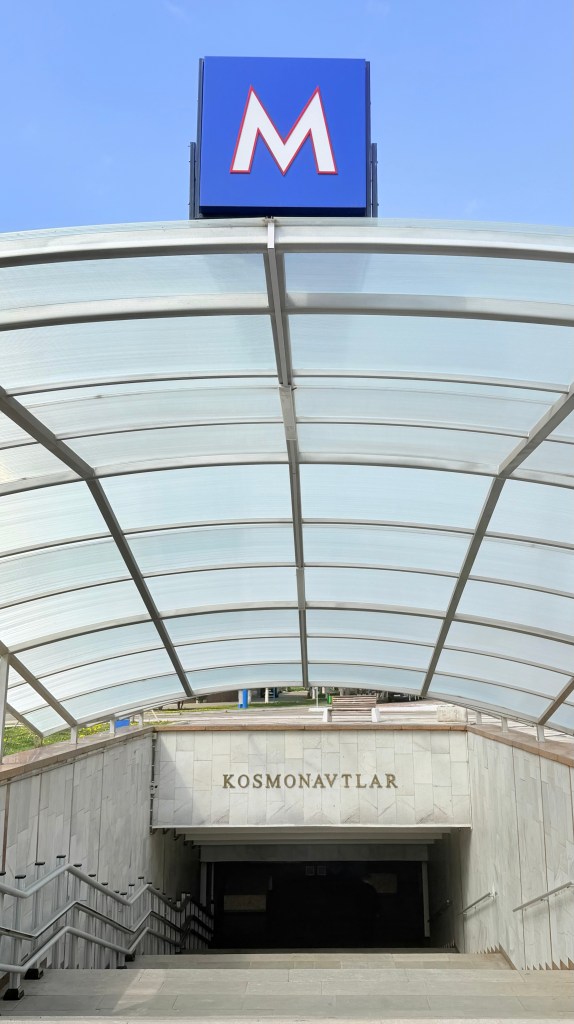
The unremarkable subway entrance gave no hint of the visual feast that lay beneath the city’s pavement. I almost overlooked the plain grey entrance on the bustling street. As they say, appearances can be deceiving.

The Tashkent Metro, built in 1977, is a unique underground museum that combines functionality and artistry. As Central Asia’s first subway system, it also served as a high-security nuclear shelter during the era’s geopolitical climate.

Art in Transit: Must-See Stations

For years, photography was prohibited in the metro as it was a military base. However, it is now a photographer’s dream and a history lover’s paradise. 

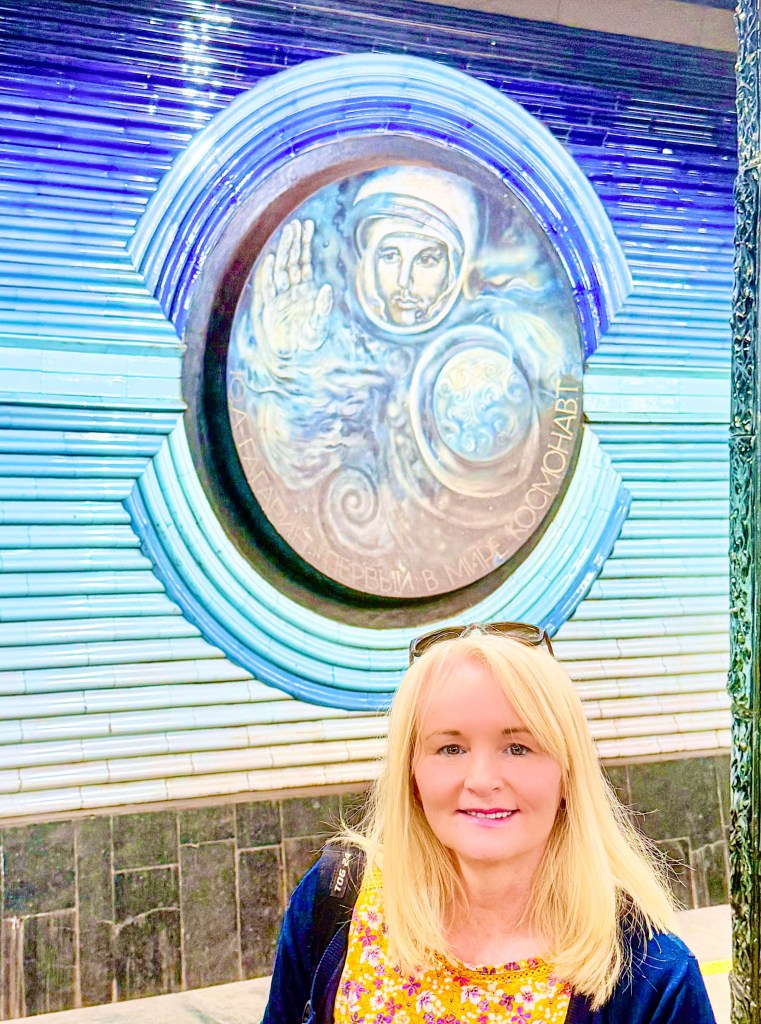
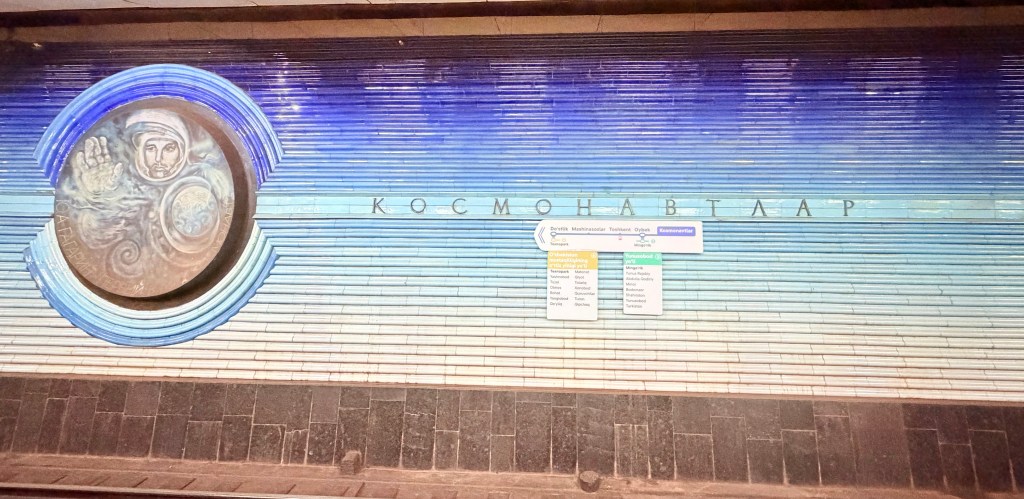
Kosmonavtlar (Cosmonauts):

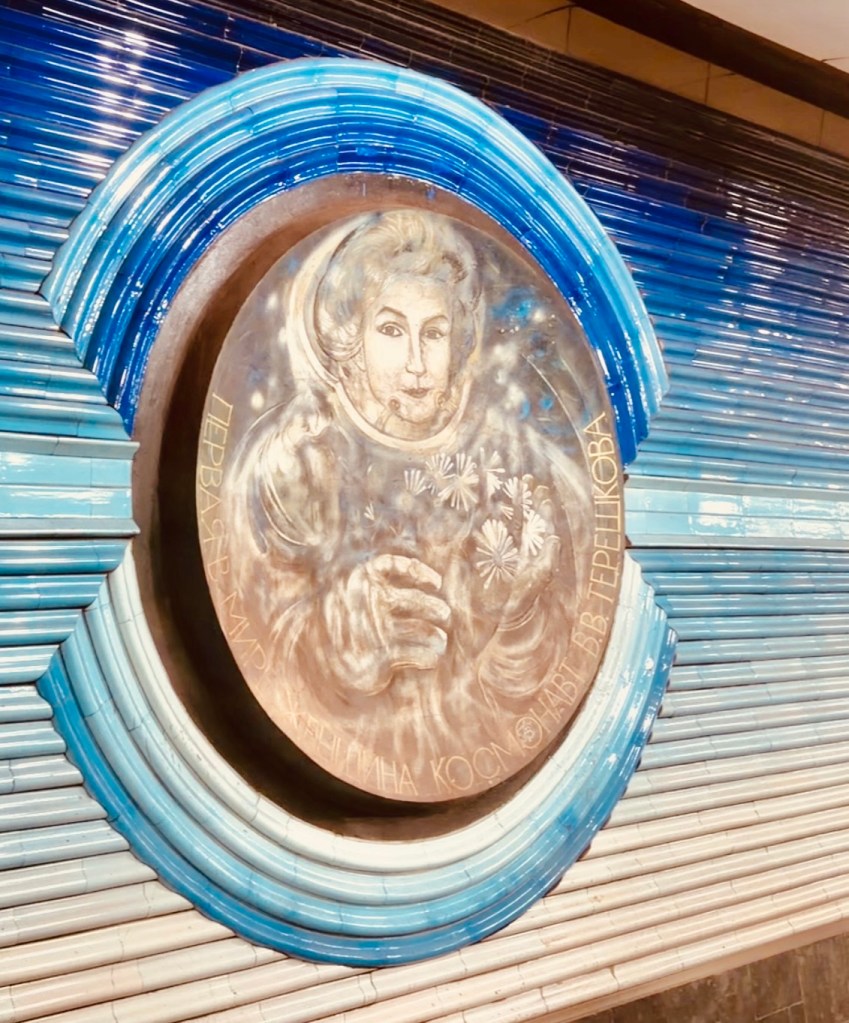
The most famous station, with its deep blue to black walls, resembles the Earth’s atmosphere. Ceramic medallions of cosmonauts like Yuri Gagarin and Valentina Tereshkova enhance the sense of standing in a tribute to space exploration.

Tashkent Metro’s most beautiful station, opened in 1984 as part of the Uzbekistan Line, is dedicated to space exploration and Soviet cosmonauts.

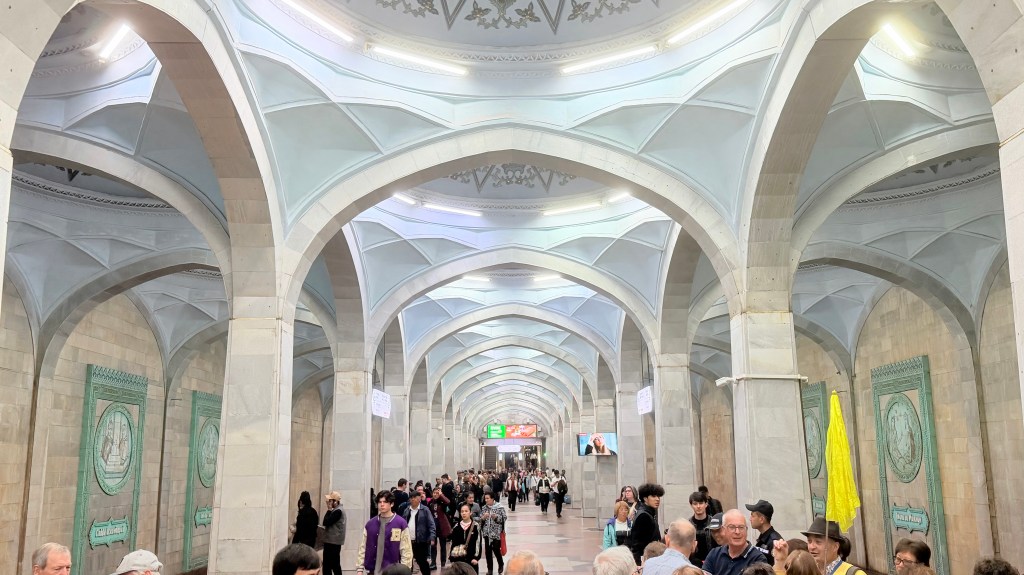
Alisher Navoi

I found it to be one of the most spectacular stations in the entire Tashkent Metro system. Named after the legendary 15th-century poet and statesman, its design feels like a tribute to traditional Uzbek architecture and literature—more like stepping into a palace or a mosque than a transit hub.

What struck me most was the architectural grandeur of the platform, with its high, vaulted ceilings adorned in intricate blue and gold geometric patterns and delicate floral motifs typical of Islamic art.

Travel Tips

• Cost: It remains incredibly affordable (around 2,000 UZS per ride), making it the cheapest “art gallery” tour you’ll ever take.

• Safety: Built to withstand an earthquake of 9.0 magnitude, it is arguably the safest place in the city during a tremor.  

• Navigation: While signs are increasingly bilingual (Uzbek and English), keep a map handy as some older locals may still refer to stations by their Soviet-era names.

Chorsu Bazar

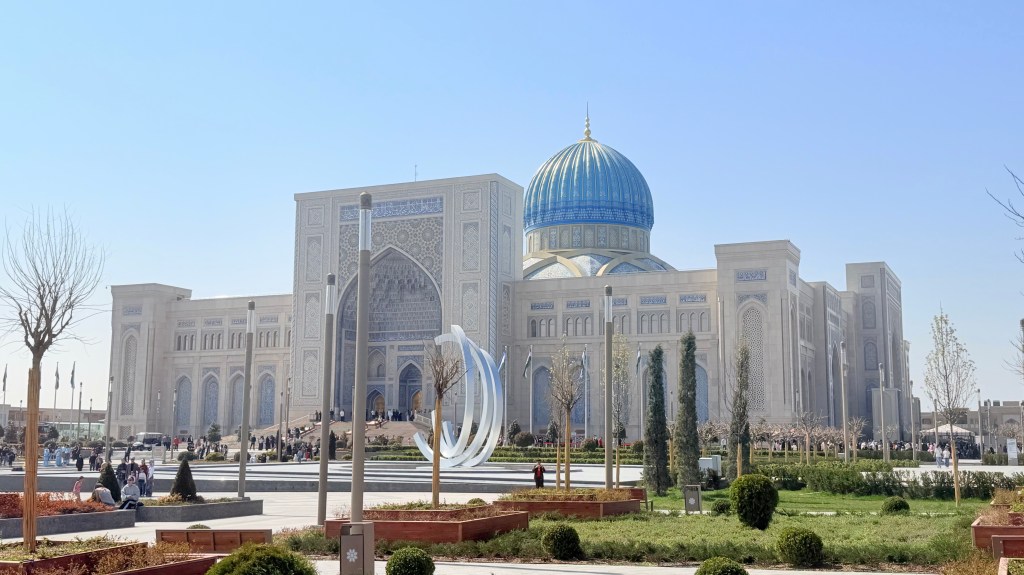
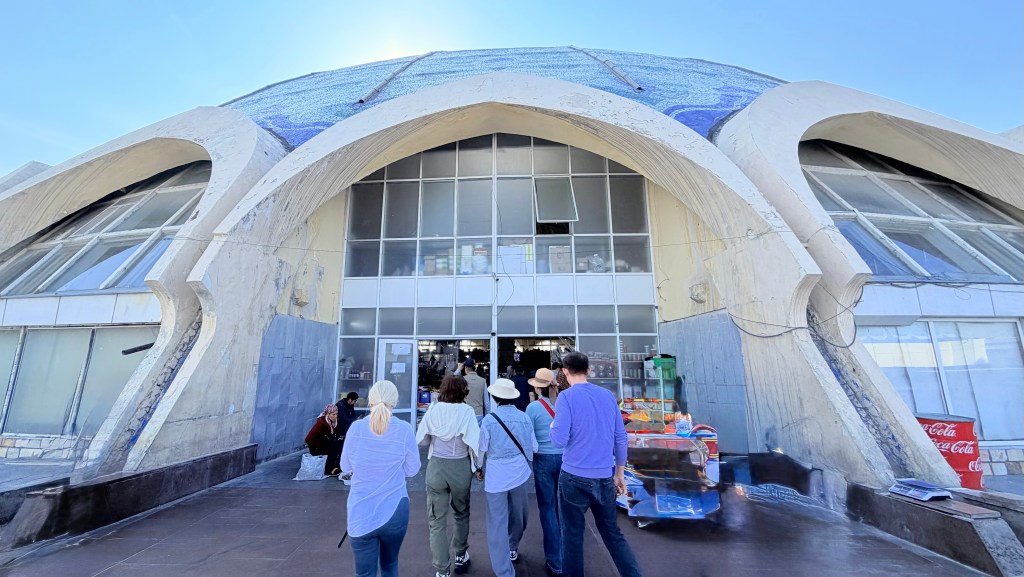
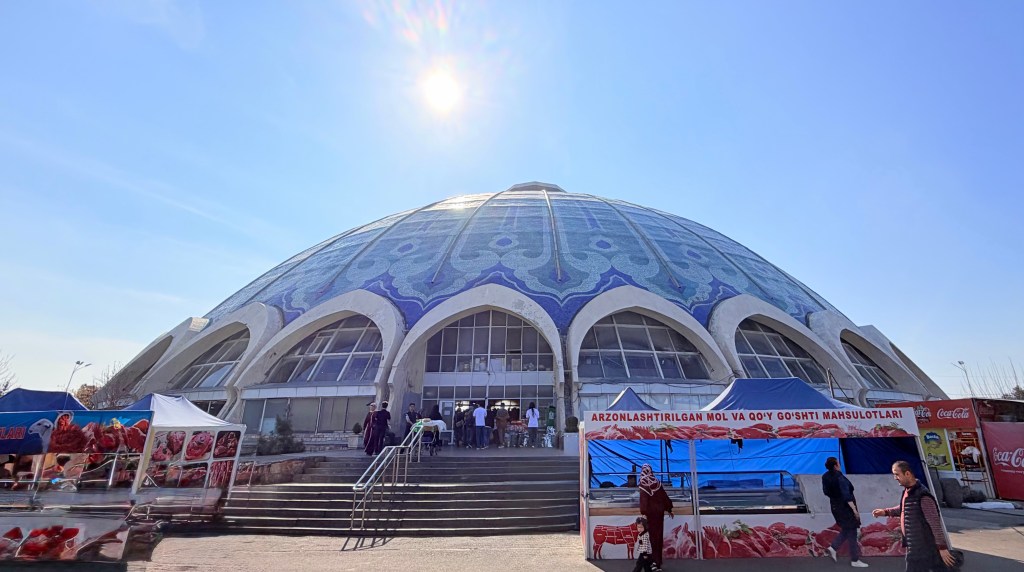
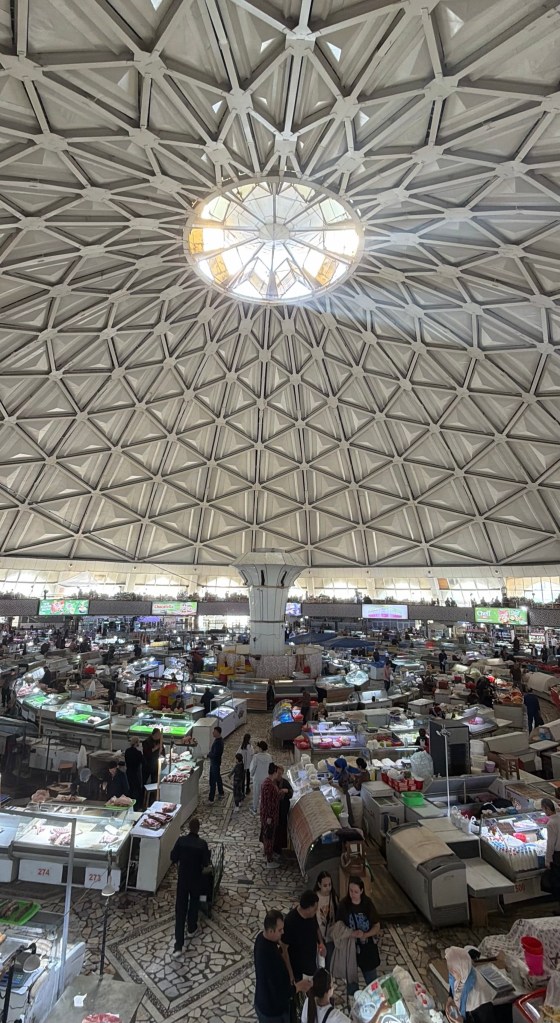
Chorsu Bazar, famously known for its iconic blue dome in the historic heart of Tashkent, is a bustling marketplace that hosts a farmers’ market.

The main dome, conceived by Vladimir Azimov in 1980, is an architectural marvel with a diameter of approximately 300–350 metres. This structure comprises three floors, each offering a unique perspective and experience.

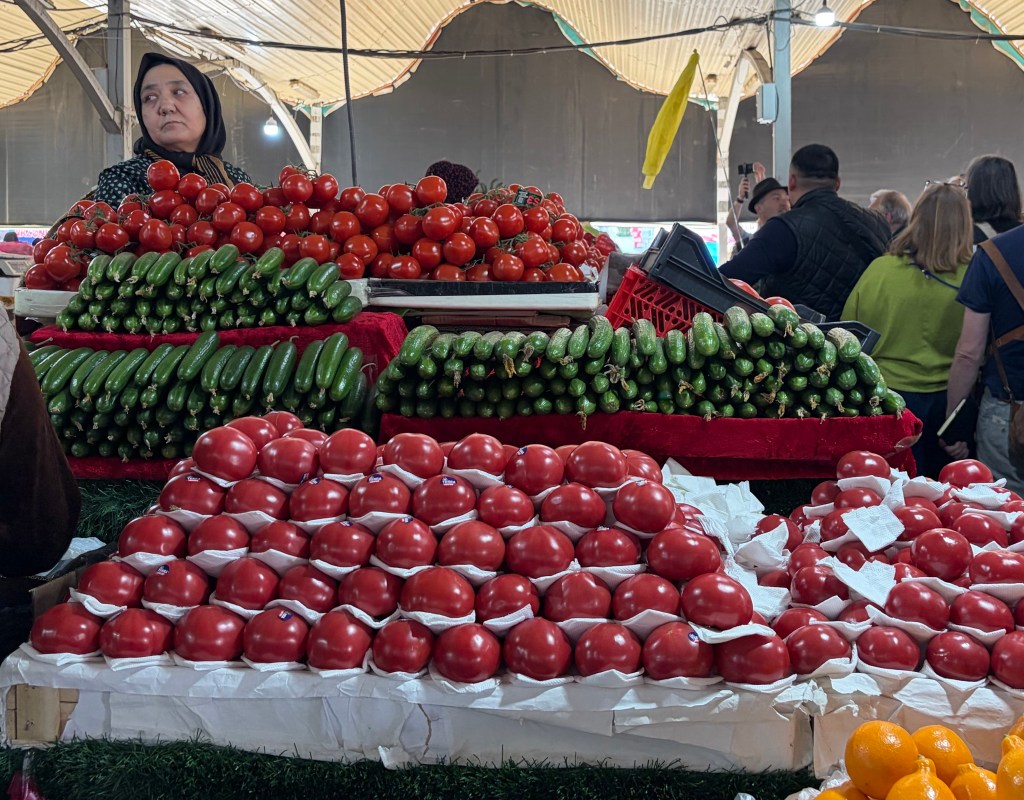
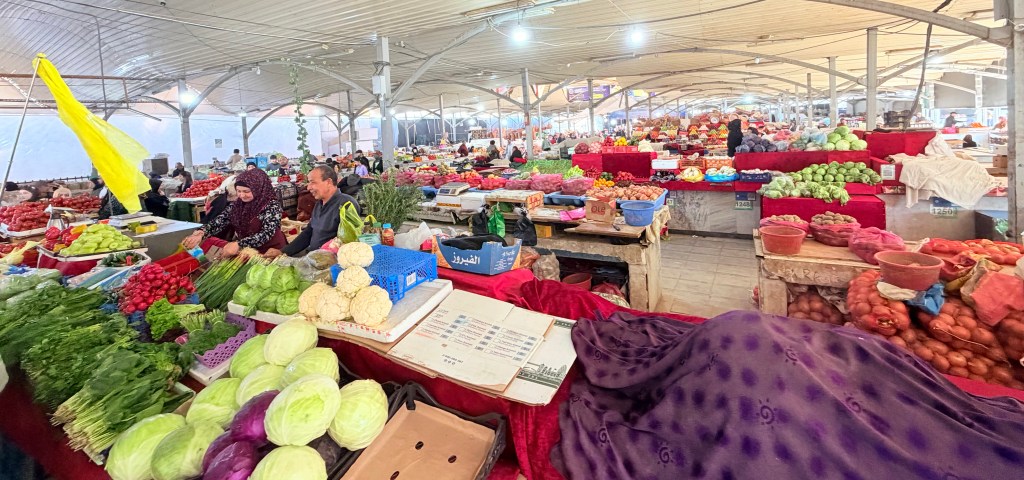
As I walked down the ground floor, I was greeted by a mountain of fresh produce, juicy meat, and creamy dairy.

From the upper levels, the market unfolded like a vibrant cinematic scene, colourful stalls brimming with life and animated chatter.

Bread is a vital part of daily life in Tashkent and Uzbek culture. It symbolises hospitality and tradition. Baked in a tandoor oven and often decorated, it’s widely available in markets and treated with respect as a sign of welcome and generosity.

Timur Square

Tashkent’s grand heart symbolises Uzbekistan’s national identity.

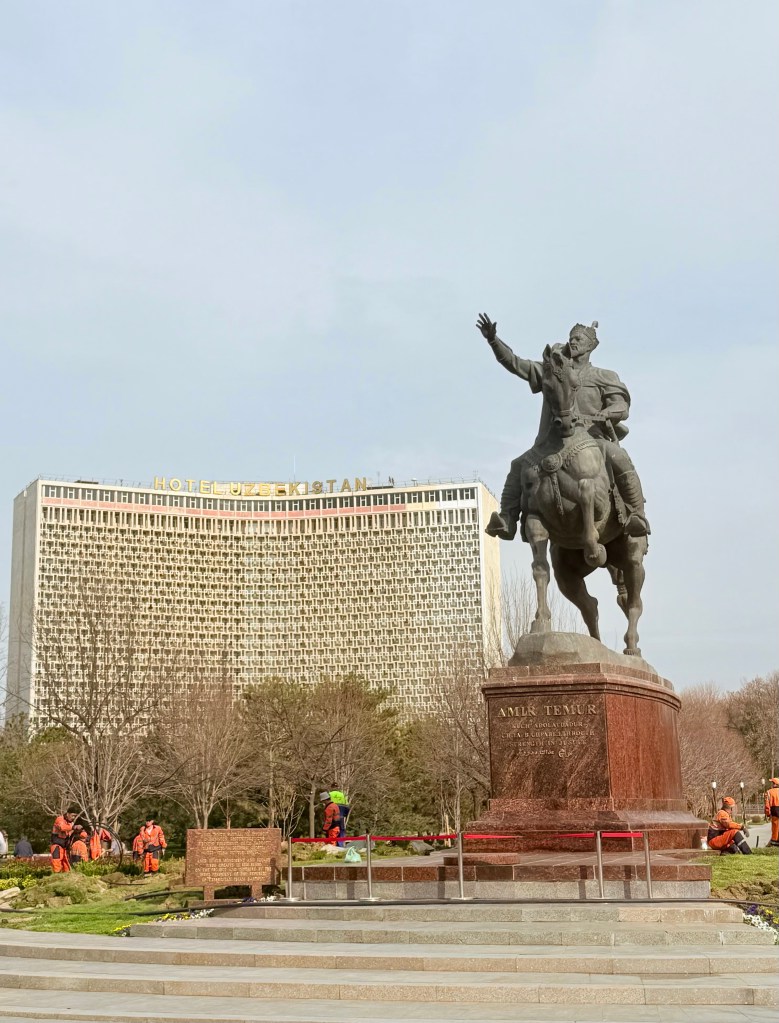
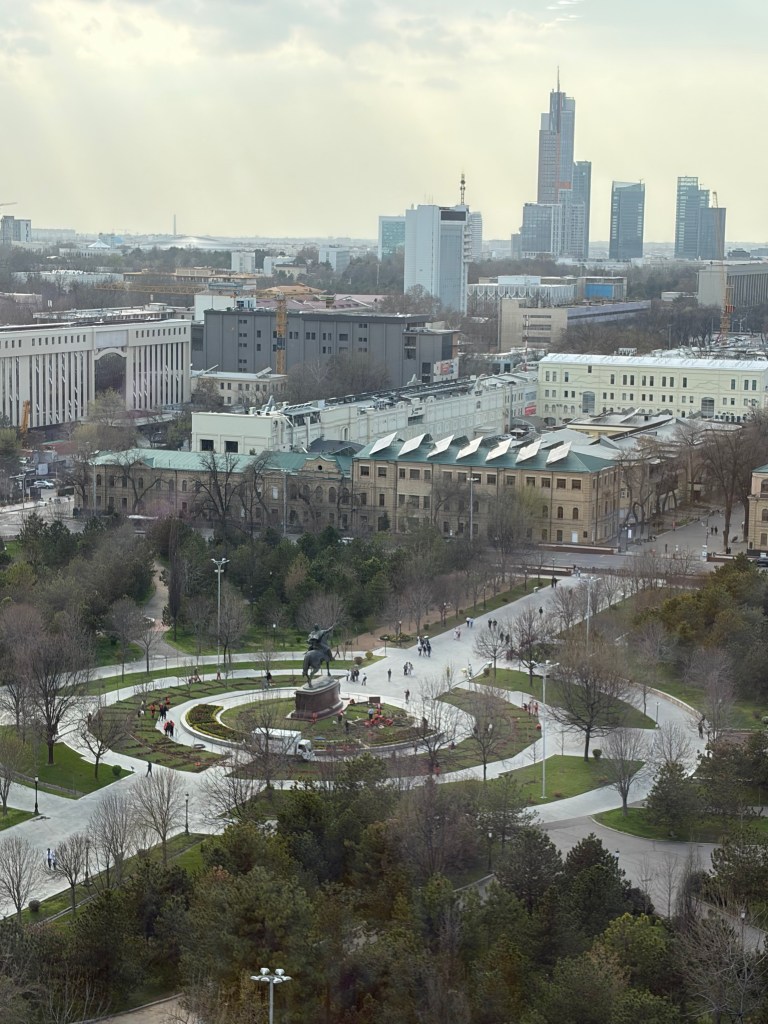
Amir Timur Square, a lush green space brimming with flowers and fountains, is central to modern Tashkent. The square and its immediate surroundings house the city’s most important political and cultural buildings.

Monument of Amir Timur is overlooked by the Hotel Uzbekistan

The Monument: In the centre stands a grand bronze statue of Amir Timur, the 14th-century conqueror and statesman, seated on horseback.

Hotel Uzbekistan

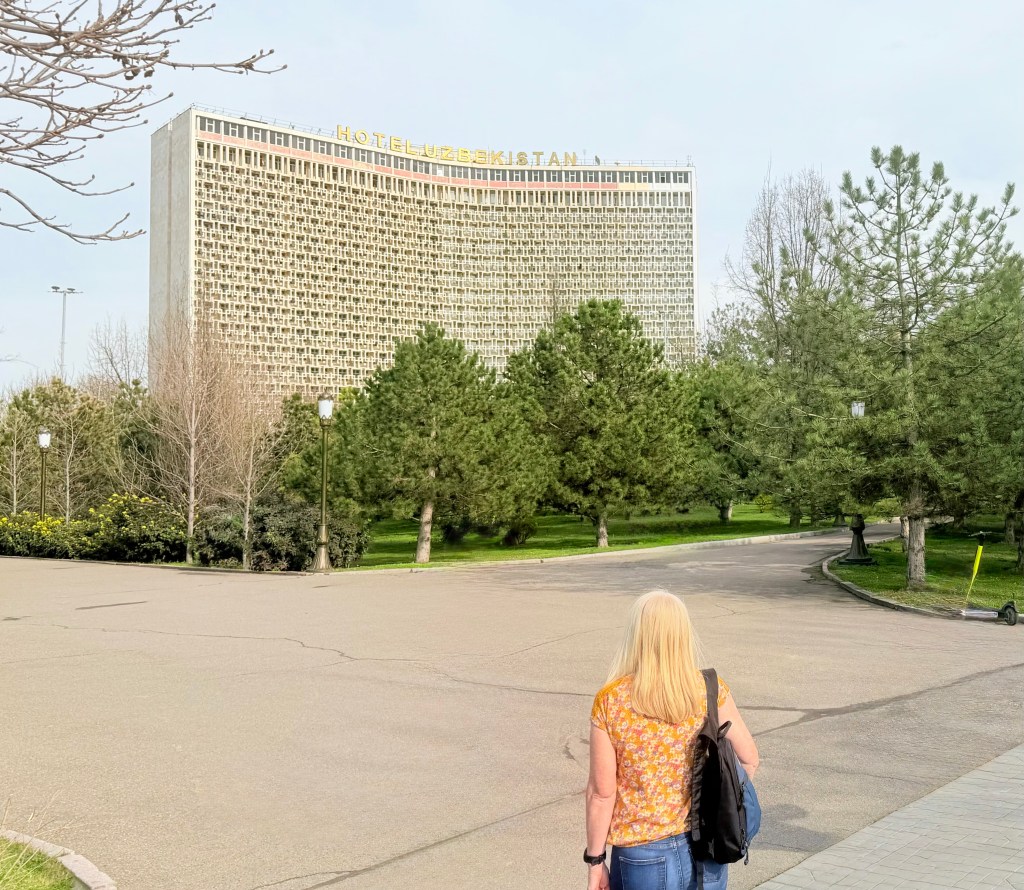
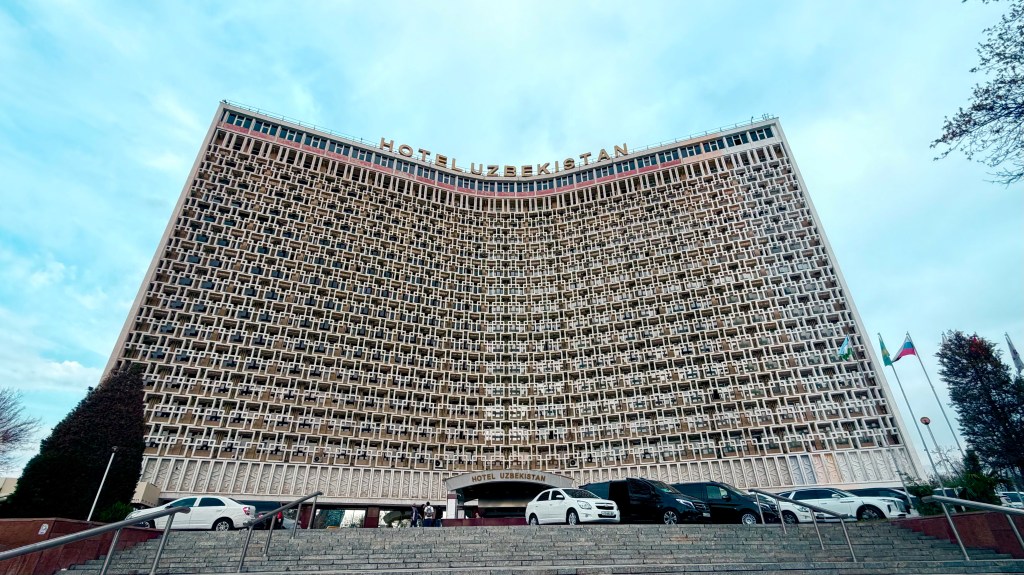
Hotel Uzbekistan, a prominent example of Soviet Modernist and Brutalist architecture, stands as an iconic landmark in Tashkent. Its design perfectly fulfils the brief, showcasing its brutal aesthetic.

It is designed with a massive, sweeping curve that makes the entire structure look like an enormous, open book standing on its end, with a metal frame to ensure earthquake resistance.

View of Timur Square from the top of the Hotel Uzbekistan

Central Location: Situated in the heart of the city, the hotel offers views of the Amir Timur Park and is within walking distance of the Amir Temur metro station, making it a convenient base for exploring Tashkent’s landmarks.

Hazrati Imam Complex

This grand architectural complex is famous for its historical importance and its collection of rare religious artefacts.

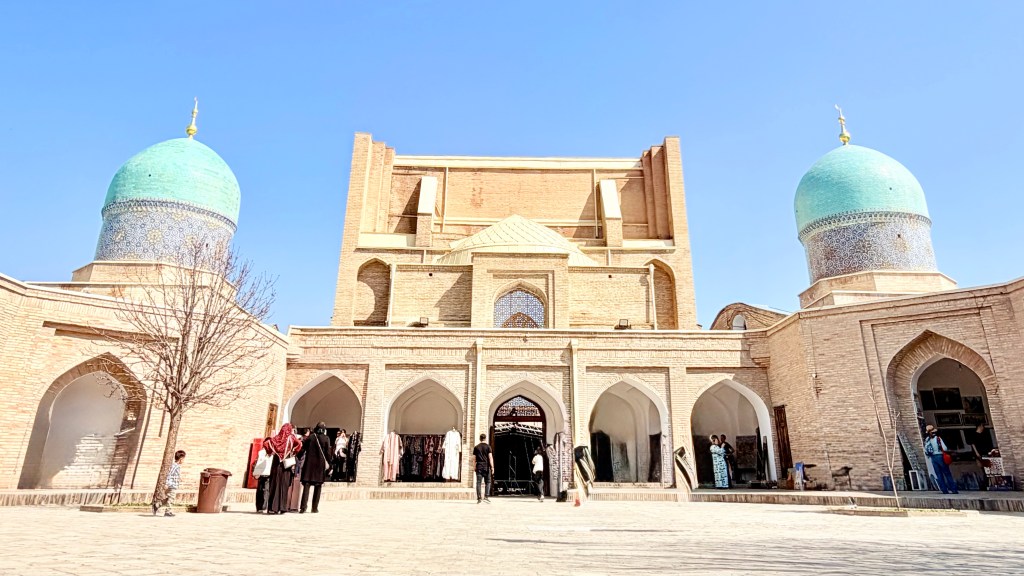
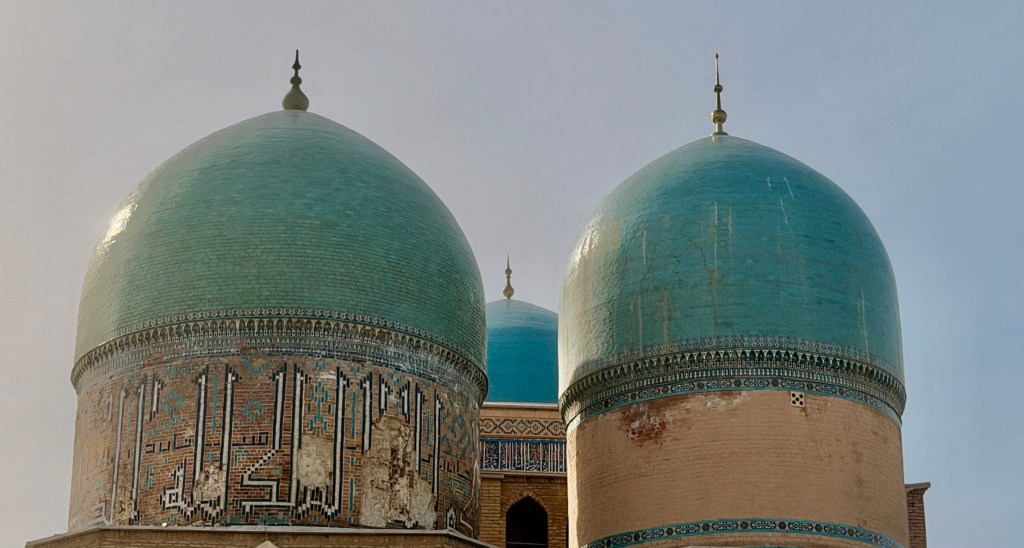
The Hazrati Imam complex, located in the historic city of Tashkent, is the spiritual centre of the city. It is a renowned centre for Islamic scholarship and a cherished hub for the faithful in Uzbekistan.

Architectural Landmarks: The site features several key structures, including the Barak-Khan Madrasah, the Tilla Sheikh Mosque, and the mausoleum of Abu Bakr Kaffal Shashi, a prominent 10th-century scholar.

Spiritual Atmosphere: The complex remains an active place of worship and education, offering a peaceful environment characterised by its turquoise domes and intricate brickwork.

The complex houses the world-famous Muyi Muborak Library, which holds one of the oldest surviving copies of the Quran, believed to date back to the 7th century.

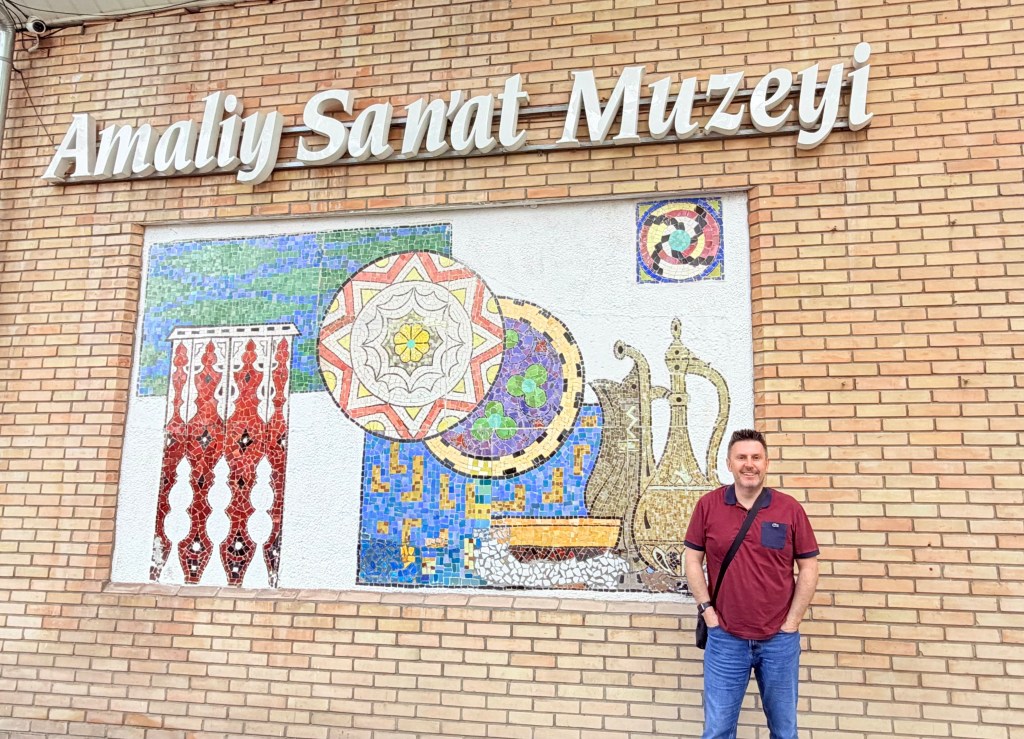
Museum of Applied Arts

Museums aren’t typically my go-to destinations, but the Museum of Applied Arts in Tashkent has earned a spot on my list of must-visit places. It’s genuinely fascinating and offers a unique experience that stands out.

It’s housed in a grand mansion that was once the home of wealthy Russian diplomat and businessman Alexander Polovtsev, who lived in Tashkent before the 1917 Revolution.

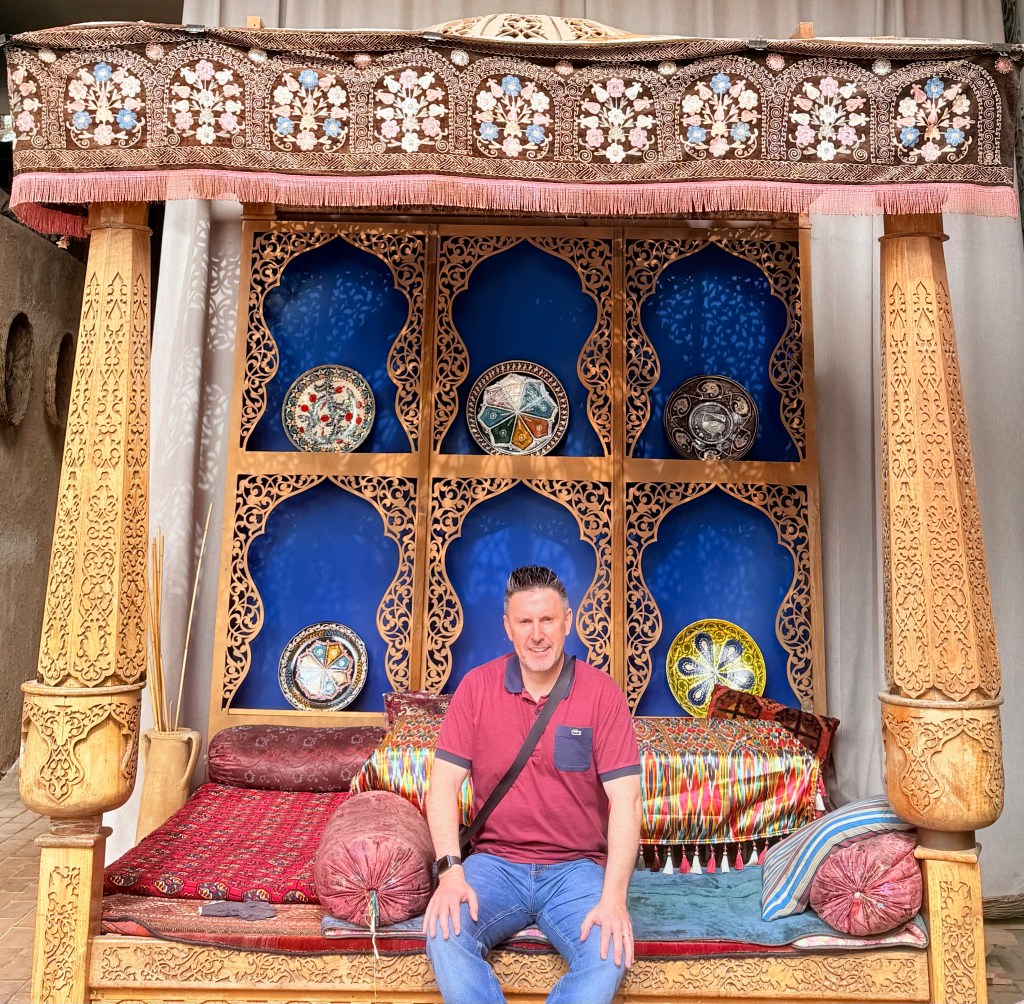
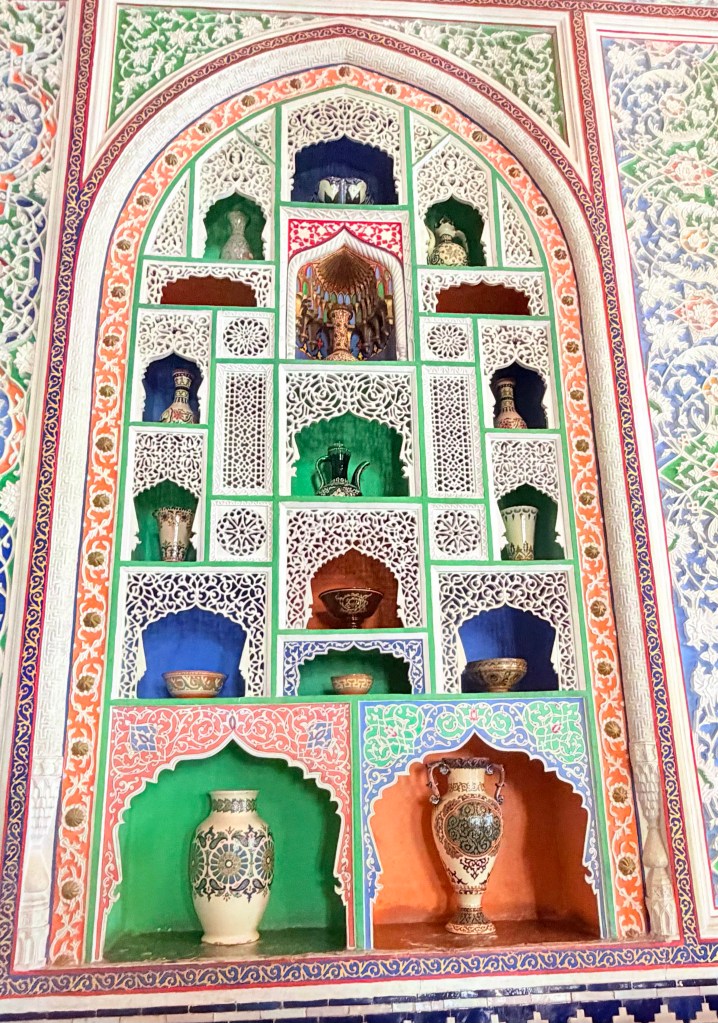
Today, the museum stands as a tribute to Uzbekistan’s renowned art and craft traditions. It showcases a rich tapestry of painting, weaving, ceramics, wood-carving, and the sounds of traditional instruments, each reflecting the unique cultural heritage of the region. 

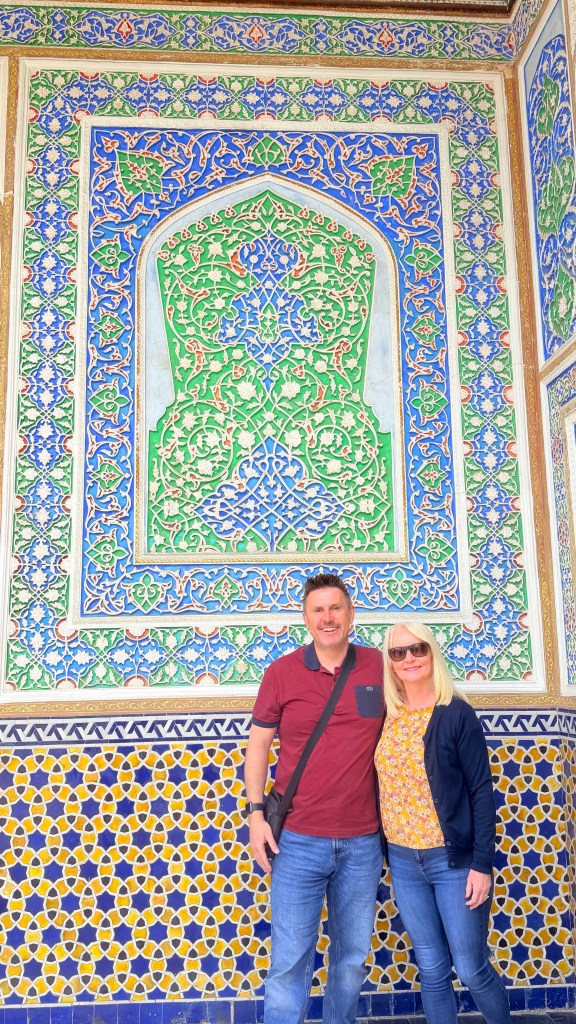
I was particularly drawn to the vibrant colours that beautifully represented Uzbek culture. The central room, decorated with ceramic tiles, stood out as a stunning example of traditional Uzbek design, making the visit worthwhile in itself.

Khiva, the Silk Road time capsule

If you’re planning a trip along the Silk Road you’ll likely want to visit the ‘Big Three’: Samarkand Bukhara and Khiva. These cities share similar Islamic architecture and history but each offers a unique experience in terms of size and atmosphere.  

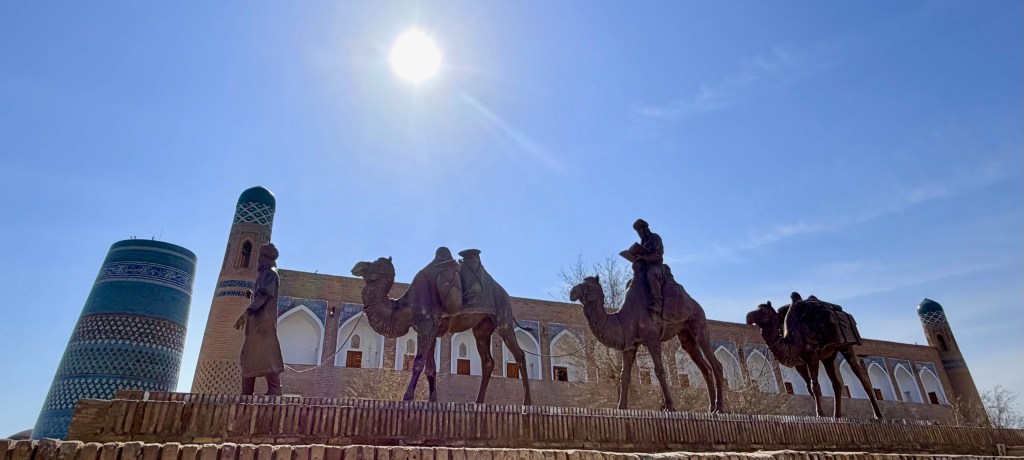
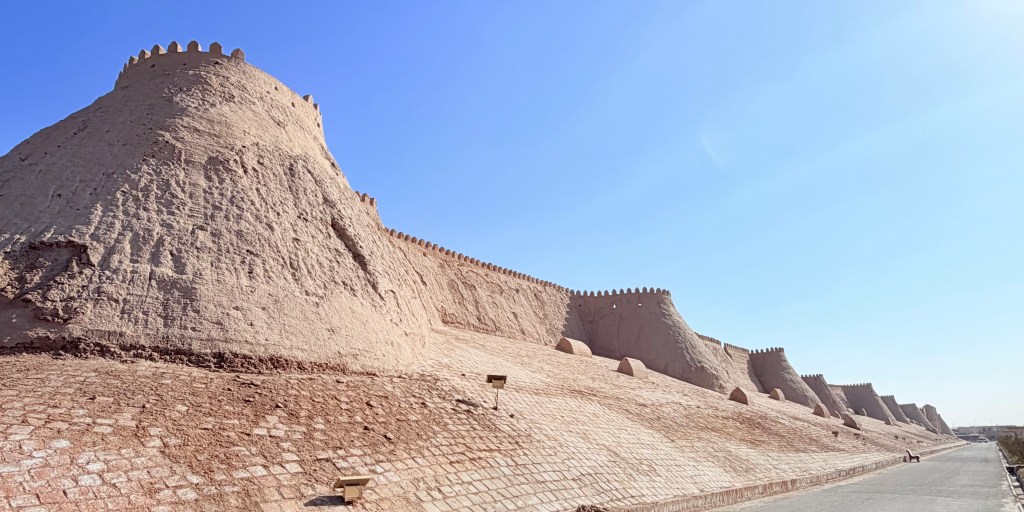
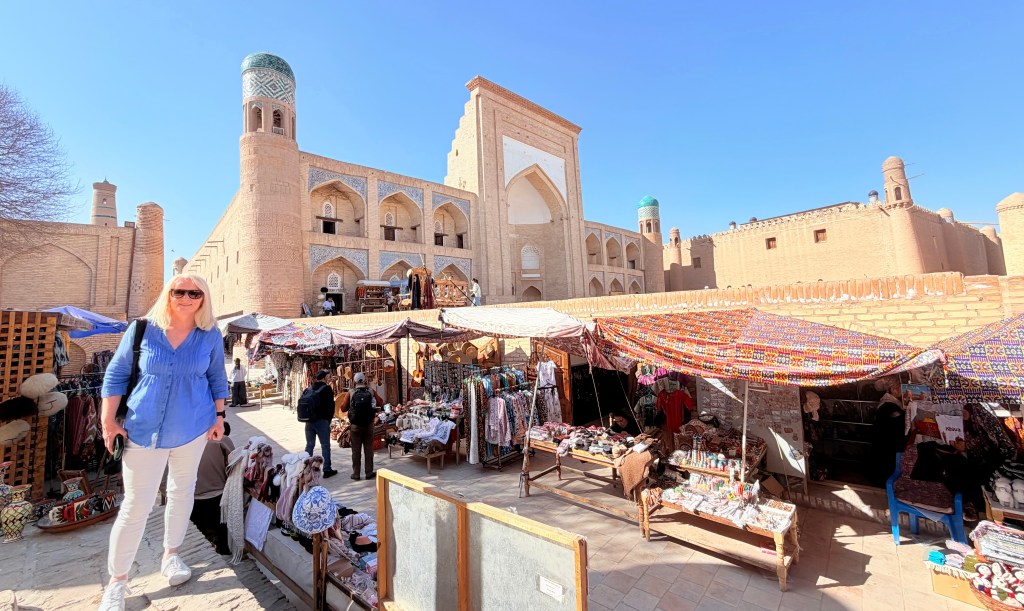
Khiva, the smallest and most remote of the trio, boasts an ancient city called Itchan Kala. Surrounded by formidable mud walls reaching a height of 10 metres, this historic area is truly impressive. 

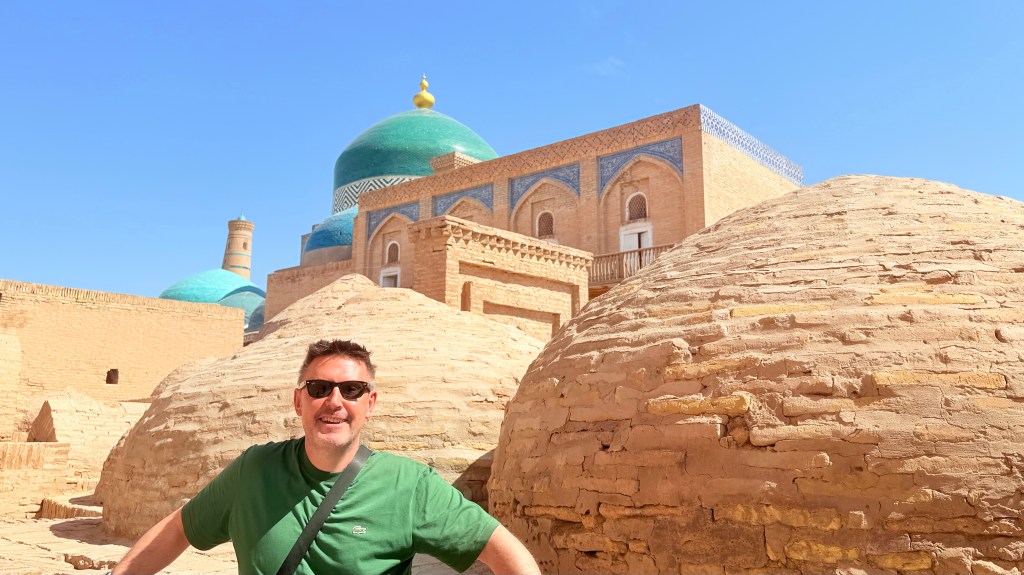
Visiting Khiva felt like stepping back in time. The historic centre, Itchan Kala, was a captivating blend of sun-drenched mud bricks and vibrant turquoise tiles, all framed by its ancient walls. Wandering through the maze of narrow alleyways enveloped me in a profound sense of history and culture making the city feel like a living museum.

My visit to the city was truly unforgettable. The stunning visuals, combined with its compact and pedestrianised layout, made exploration effortless. Wandering through the narrow streets transported me back in time. Despite its isolation, largely untouched by the Russian Empire and Soviet Union, the city maintained its medieval charm, offering a unique window into the past.

Visiting Khiva on your own will require a bit of planning, but it is definitely worth it! Khiva is a bit of a hidden gem, located way out in the Kyzylkum Desert to the west. To get there, you can take a long train journey (about 6–7 hours from Bukhara) or fly to Urgench.

From my point of view, two days is ideal for immersing yourself in the city’s architectural wonders and fully experiencing the desert vibe. Staying within the city walls offers a traditional feel while a slightly outside stay provides modern comforts. Either option makes exploring the city a breeze.

Some Khiva highlights

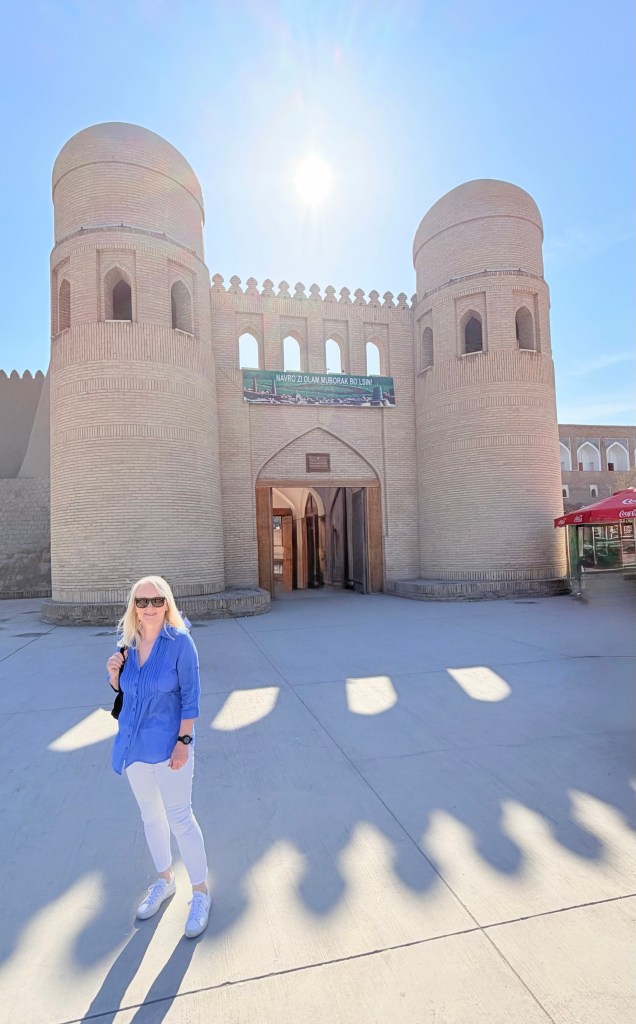
The West Gate of Khiva

Welcome to the city’s heart! This is your perfect starting point for your adventure. At the main entrance, you’ll receive a warm welcome and find the ticket office where your journey into the city’s historical and cultural wonders begins.

The West Gate, with its two imposing turrets, stands as the main entrance to Ichon-Qala. This contemporary reconstruction from the 1970s replaces the original destroyed in 1920.

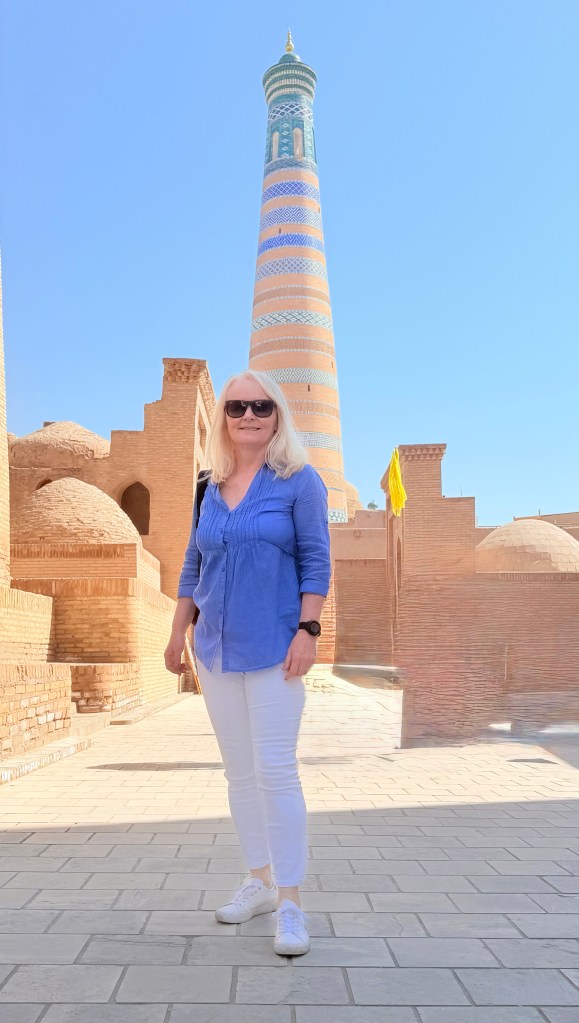
Islam Kohja Minaret 🕌

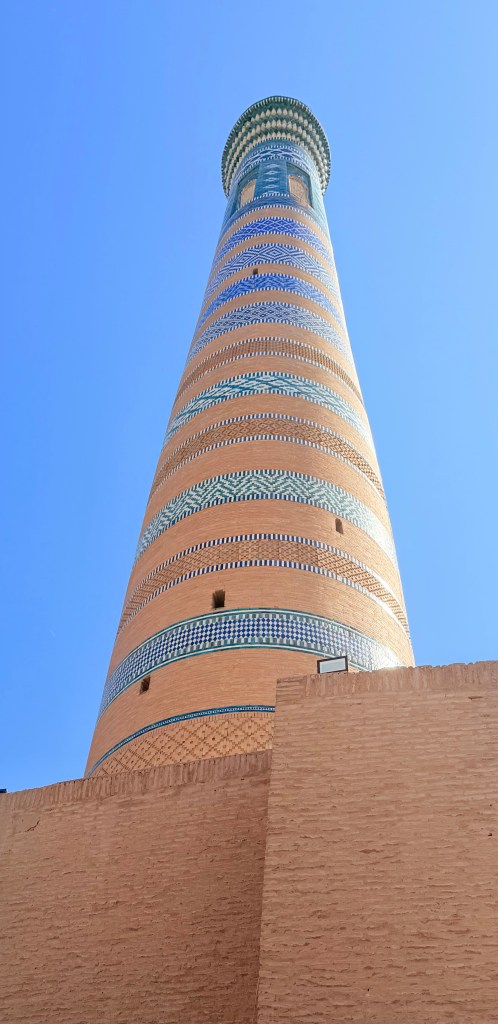
Built in the early 1900s, its design pays homage to the “classical” Central Asian style of the 14th century.

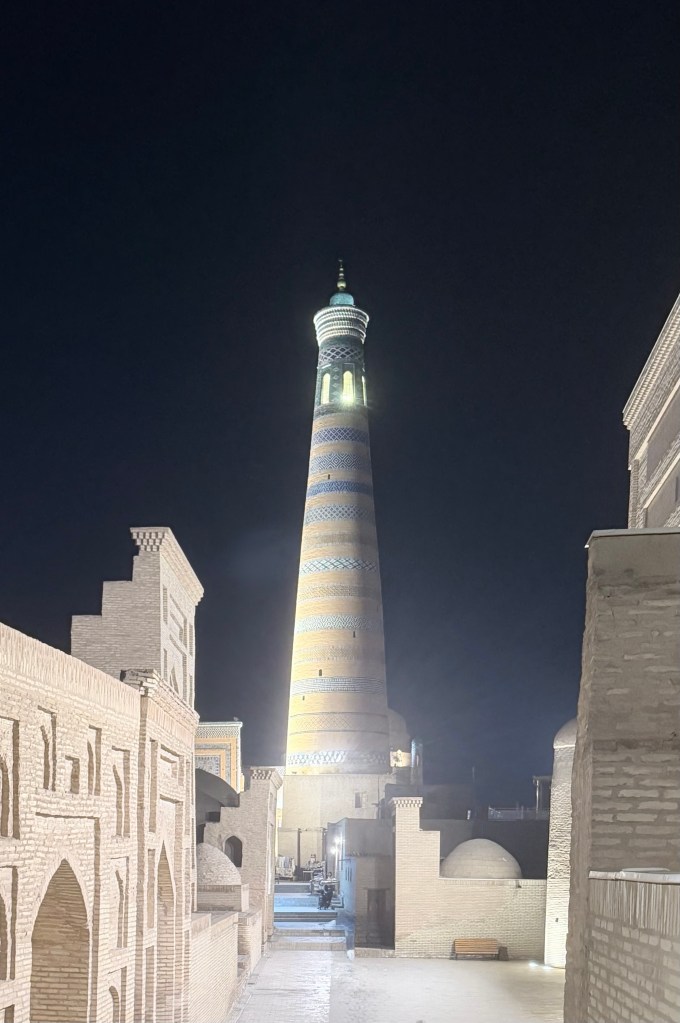
Completed in 1910, the Islam Kohja Minaret stands as Khiva’s tallest structure and a key landmark of Itchan Kala. While younger than other city monuments, its design draws inspiration from the grand 14th-century architectural styles.

As the tower ascends, it narrows considerably creating an optical illusion that makes it seem even taller. Historically, this minaret was visible from miles away acting as a beacon for caravans traversing the Kyzylkum Desert.

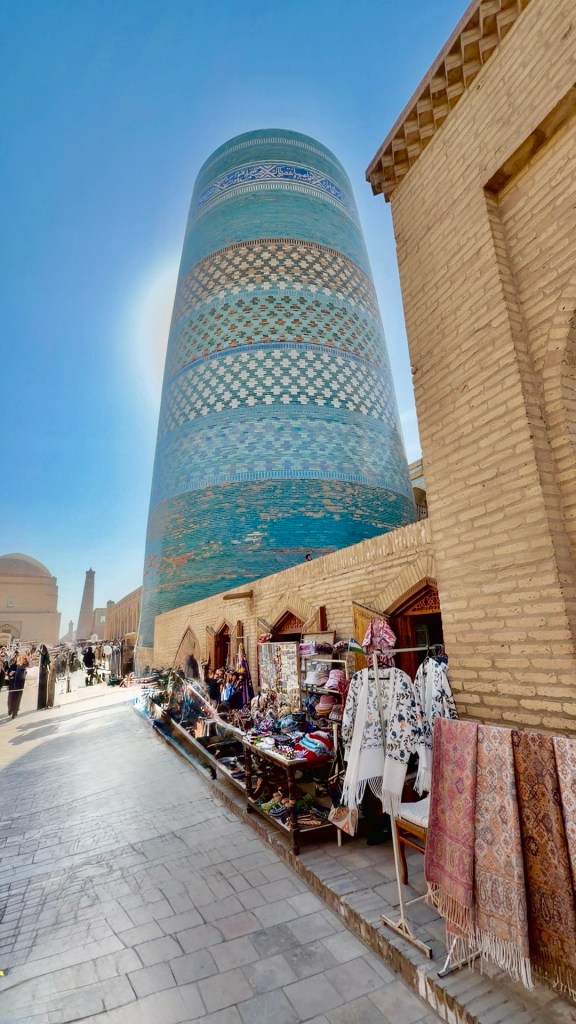
Kalta Minor Minaret 🕌

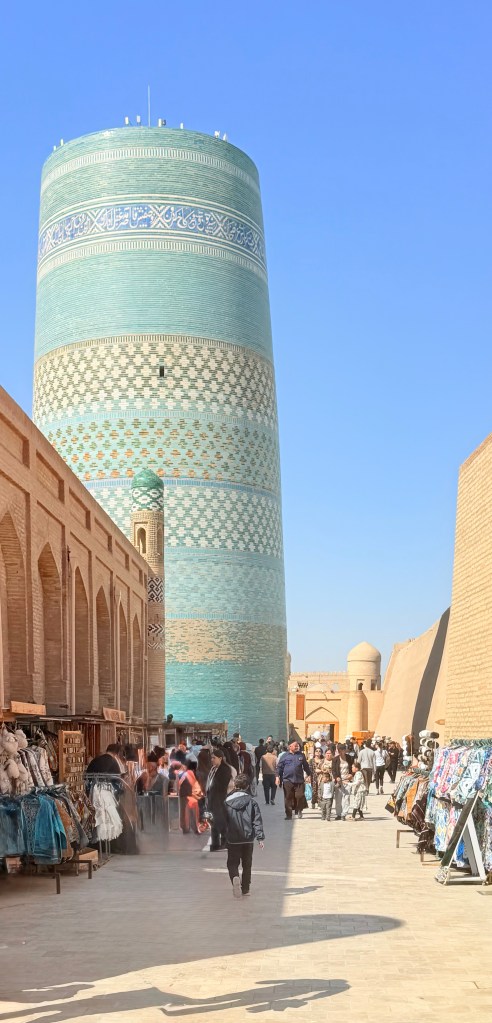
The city’s most iconic landmark is a delightful sight to behold!

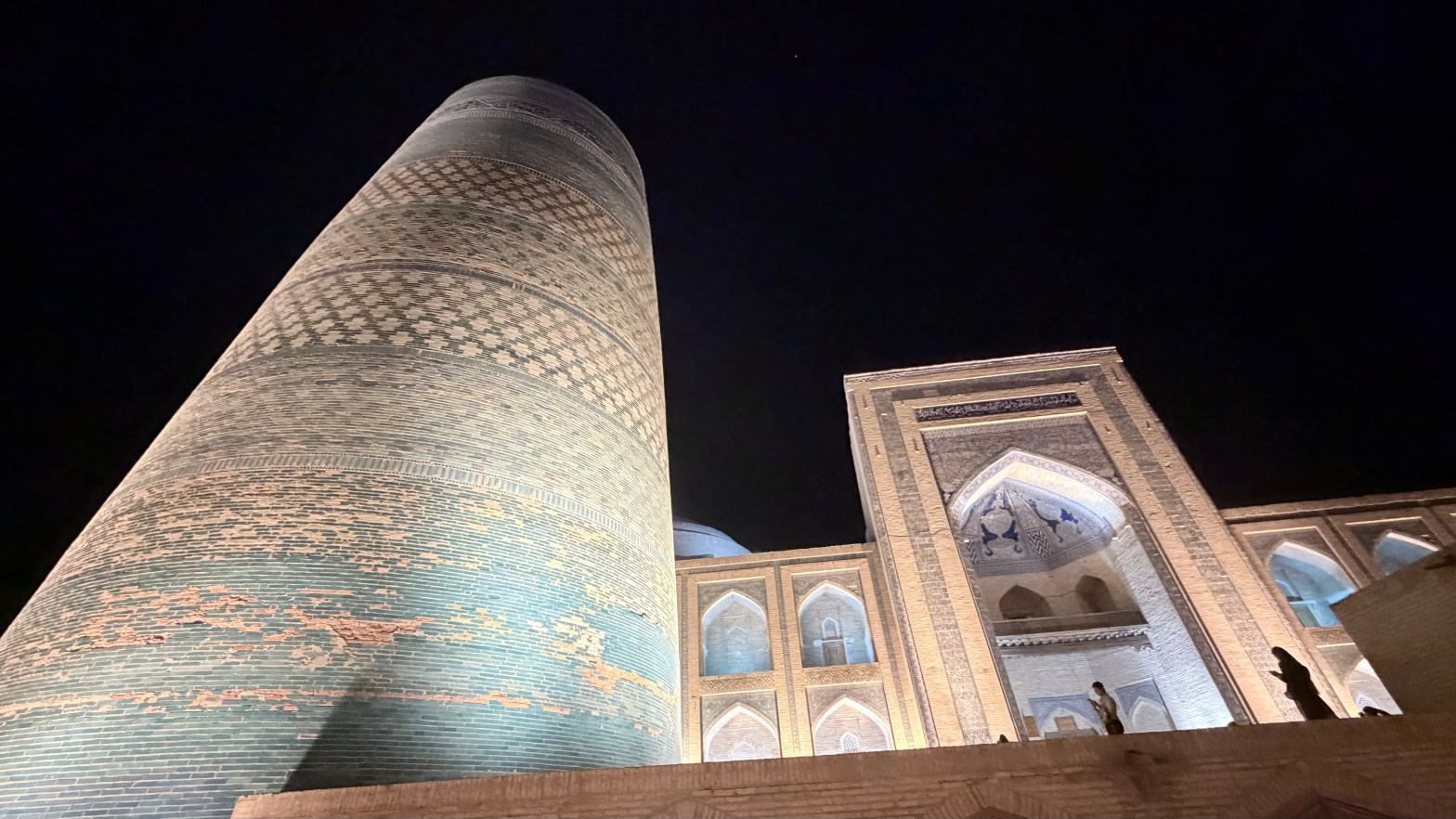
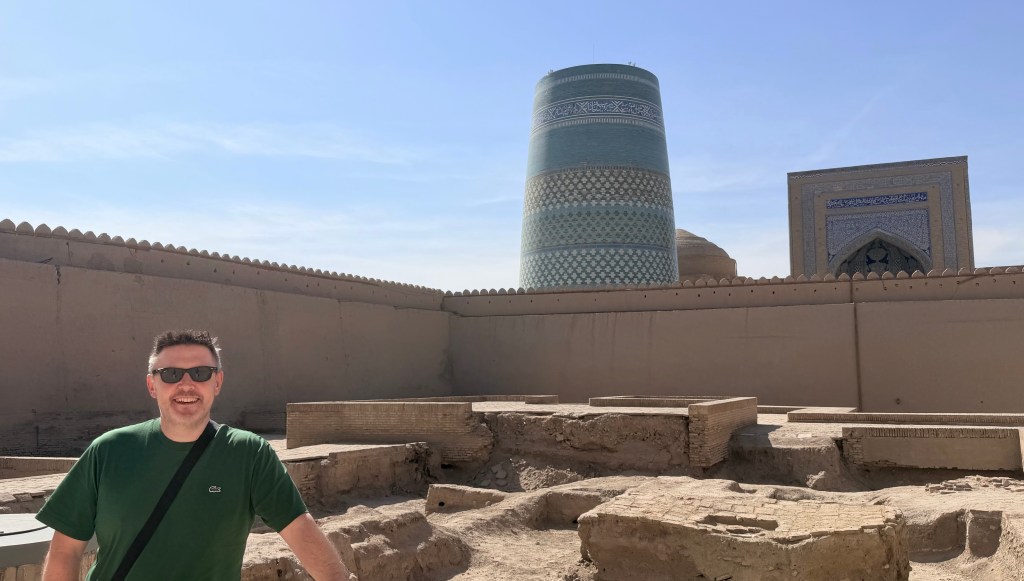
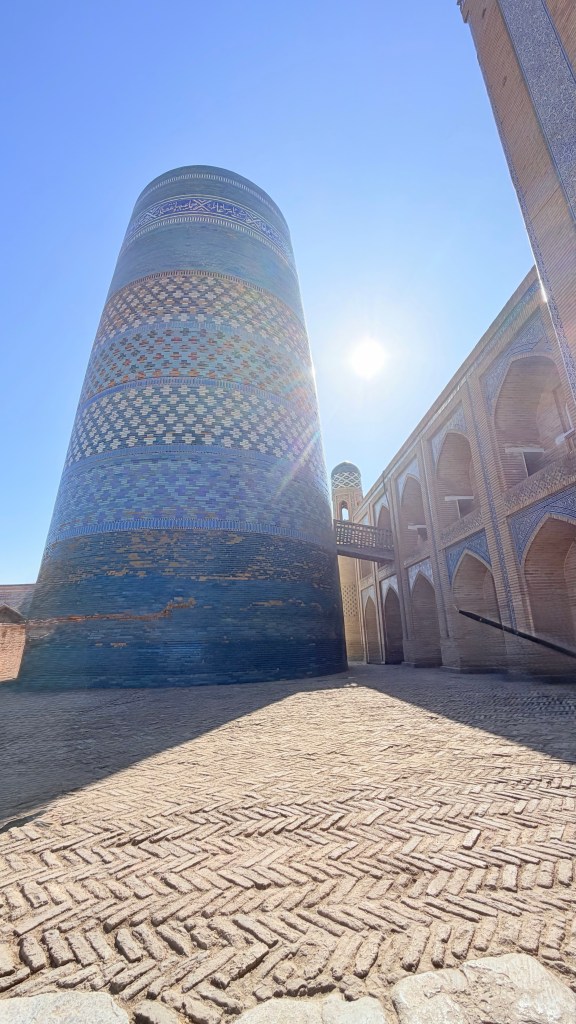
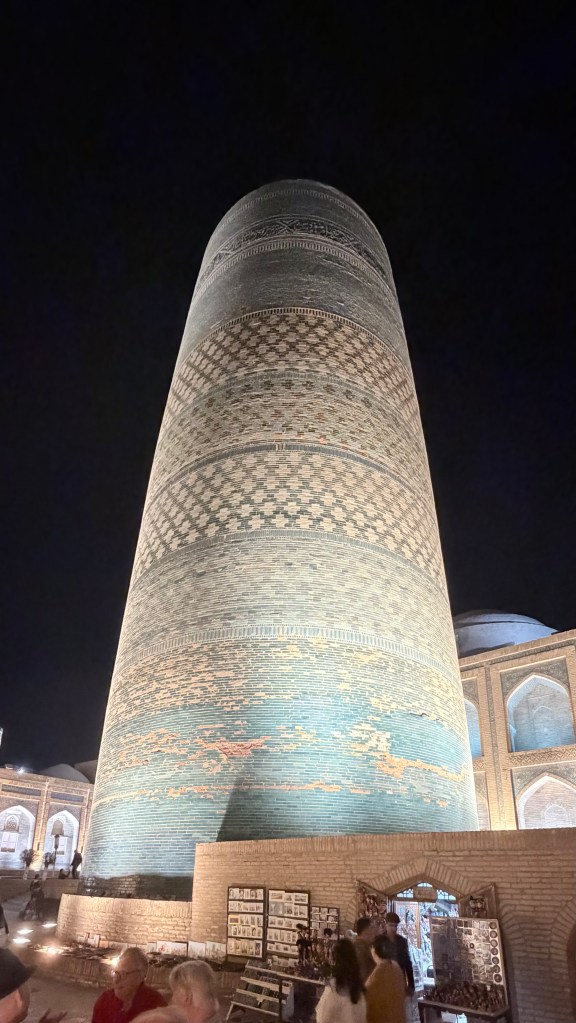
At the heart of Khiva, the unfinished Kalta Minor Minaret stands as a striking symbol of the city’s rich history and architectural ambition. Its massive girth and vibrant turquoise tilework make it the most recognisable landmark. Unlike the slender Islam Khoja Minaret, Kalta Minor’s incomplete state adds a unique charm.

Upon first seeing the minaret, I was captivated by its unexpected beauty. Originally designed to be the tallest in the Islamic world, its construction was abruptly halted. This unexpected pause left behind a stunning turquoise-tiled “stump” that now elegantly graces the skyline.

AllaKuki Khan Madrasa and Bazaar

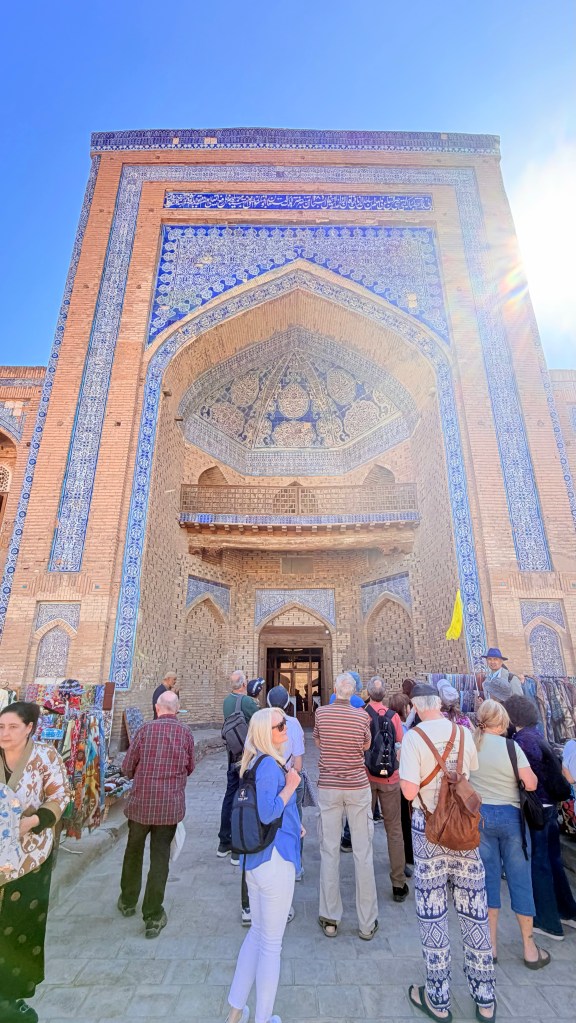
The Allakuli Khan Madrasa stands as a striking architectural landmark in Khiva, Uzbekistan’s historic city.

Built between 1834 and 1835, this remarkable structure stands as a testament to the Khanate of Khiva’s power and cultural ambition in the 19th century. Today it proudly holds UNESCO World Heritage status.

This former religious school now houses a museum dedicated to medicine’s history and honours Abu Ali ibn Sina.

Just so you know there are no cats for sale

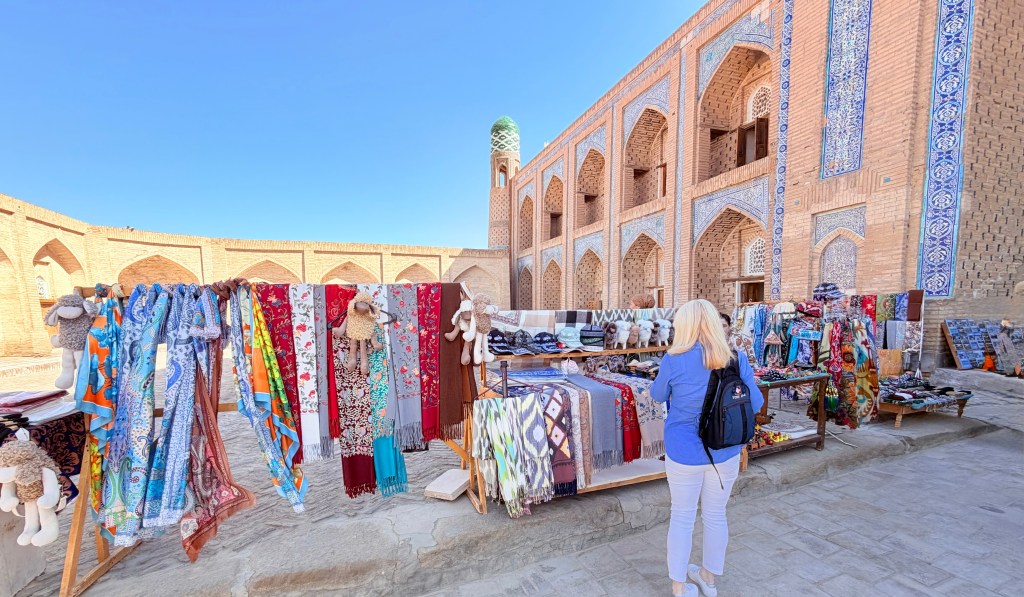
Stroll through the charming souvenir shops nestled within the historic former student cells of Allakuki Khan. You can also visit craft workshops to witness skilled artisans at work, crafting beautiful traditional wood carvings and silk weaves.

Toshhovli Palace

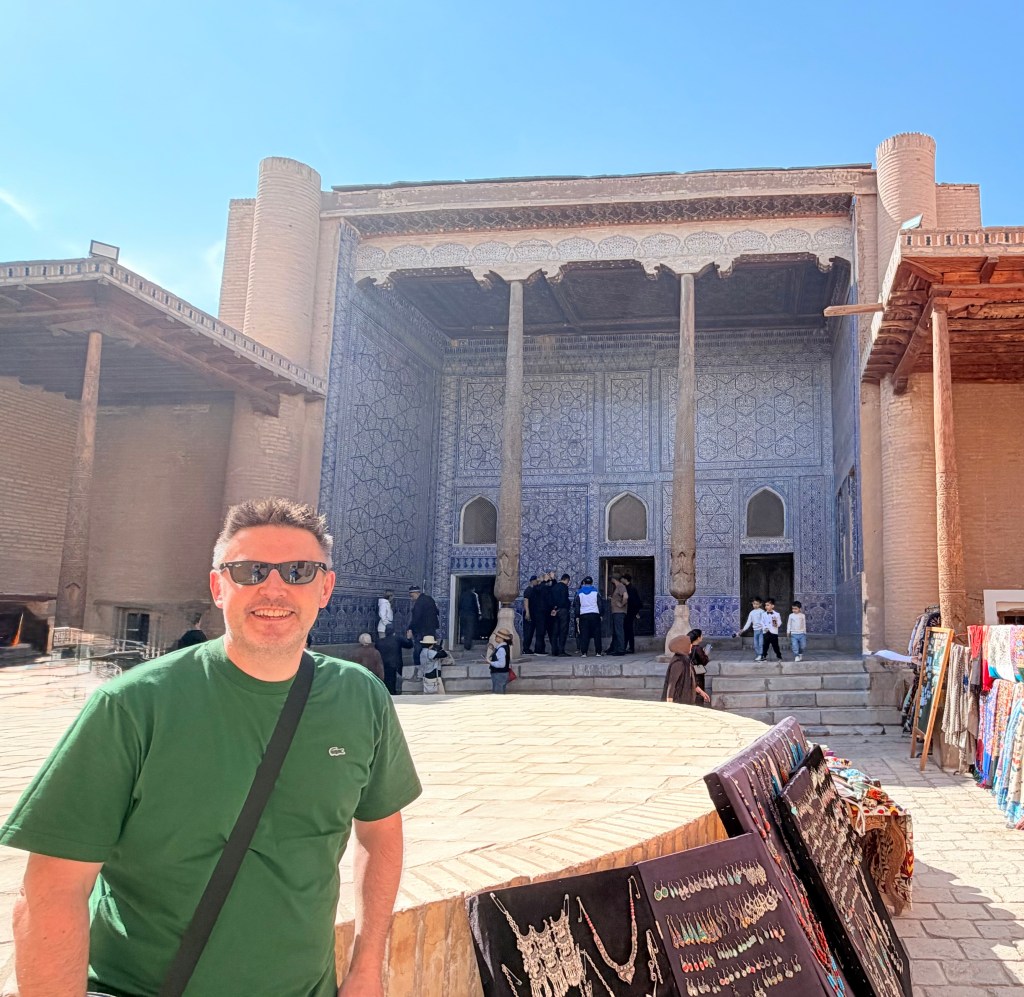
Constructed between 1832 and 1841 by Allakuli Khan, this palace offered a more magnificent alternative to the Kuhna Ark. It boasted over 150 rooms and nine courtyards.

Originally built as a residence for the Khans of Khiva, this palace is truly a marvel. Its impressive array of rooms includes a grand reception hall and intimate private chambers all adorned with distinctive Islamic architecture.

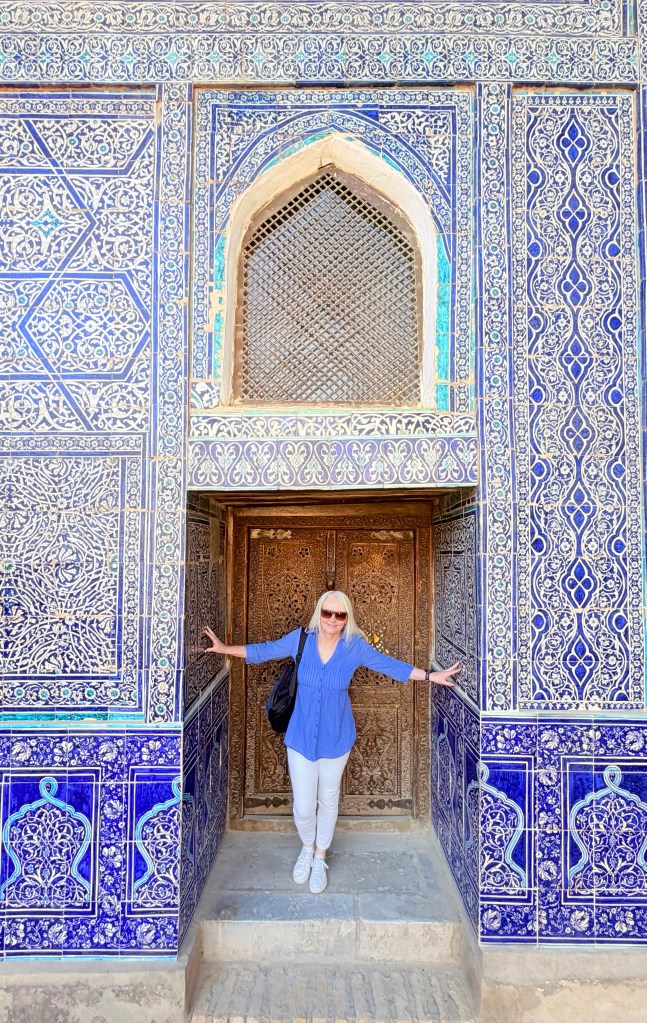
This palace, known as the ‘Stone House’, is a breathtaking gem in the heart of Khiva. Step through its doors and you’re immediately surrounded by walls that shimmer with intricate blue ceramic tiles, each one telling a fragment of history.

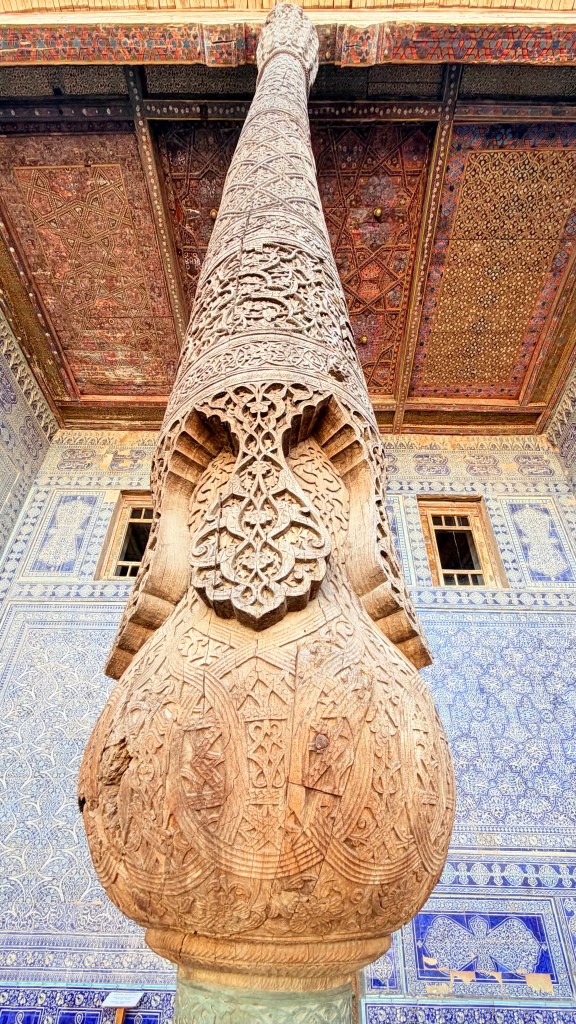
Elaborate wood carvings demonstrate skilled craftsmanship and artistry, while painted ceilings introduce vibrant colour and visual interest.

Discovering Khiva

From my personal experience, the city’s extensive restoration has transformed it into a completely detached place. Walking through its pristine streets feels like stepping into a preserved moment frozen in time, rendering the outside world utterly irrelevant.

Nestled within a few square kilometres, this densely packed area offers a leisurely pace of exploration. Each turn reveals a new courtyard or intricately carved wooden gate, enhancing the charm and allure of the surroundings.

During peak hours, the inner city feels quite tourist-centric. However, despite the influx of visitors, it retains a unique charm reminiscent of the Silk Road era. This is largely due to the thriving artisan community, which showcases traditional crafts and skills passed down through generations.

Khiva’s cafe culture is a captivating blend of Silk Road tradition and modern style. At the heart of social life are the chaikhanas, or tea houses, where locals and visitors alike gather to savour a cup of tea and engage in animated conversation.

Khiva by night

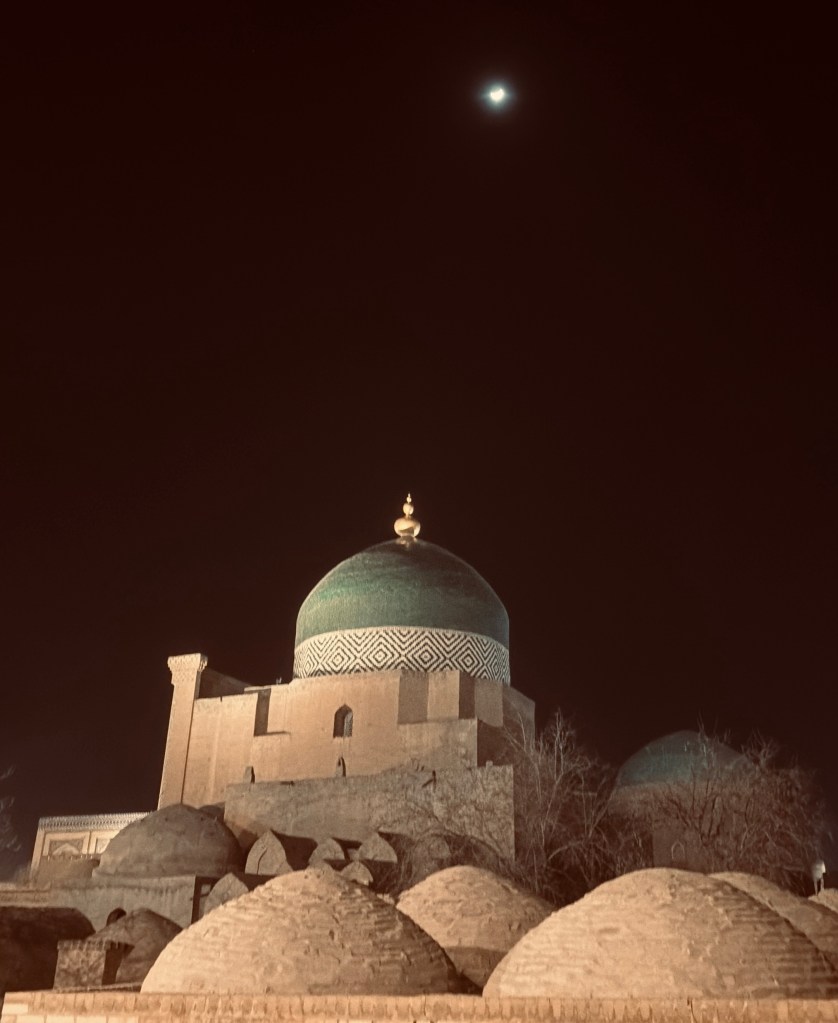
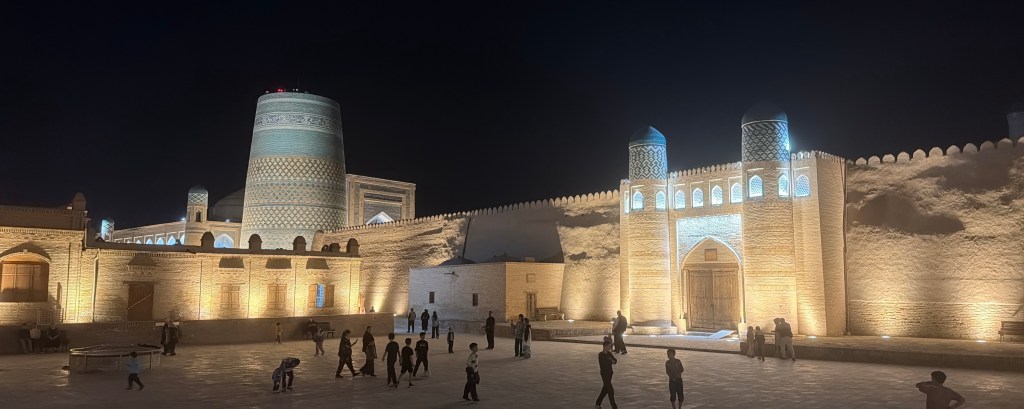
Khiva transforms dramatically at night, becoming an atmospheric “living museum” bathed in soft golden light. Exploring Itchan Kala after the daytime tour groups have departed offers one of the best ways to truly experience the city’s ancient spirit.

The beautifully lit Kalta Minor Minaret displays its deep turquoise tiles against the darkening sky. Although climbing it is not possible, it stands as the city’s radiant centrepiece.

After 8:00 pm, the lively main thoroughfares quieten down, creating a peaceful atmosphere. This serene time is ideal for exploring the charming side streets around the Juma Mosque and the Islam Khoja Minaret. Photographers can then capture stunning images without the crowds.

Visiting Khiva at night offers a truly unique experience, transcending typical nightlife. The serene atmosphere captivates me, allowing the city’s rich history to shine under the starlit sky. It’s an unforgettable encounter with Khiva’s timeless charm.

Khiva is a perfect spot for nighttime photography. The striking contrast between the deep blue sky and illuminated architecture creates a captivating scene. This makes it one of the most photogenic locations in Central Asia after sunset.

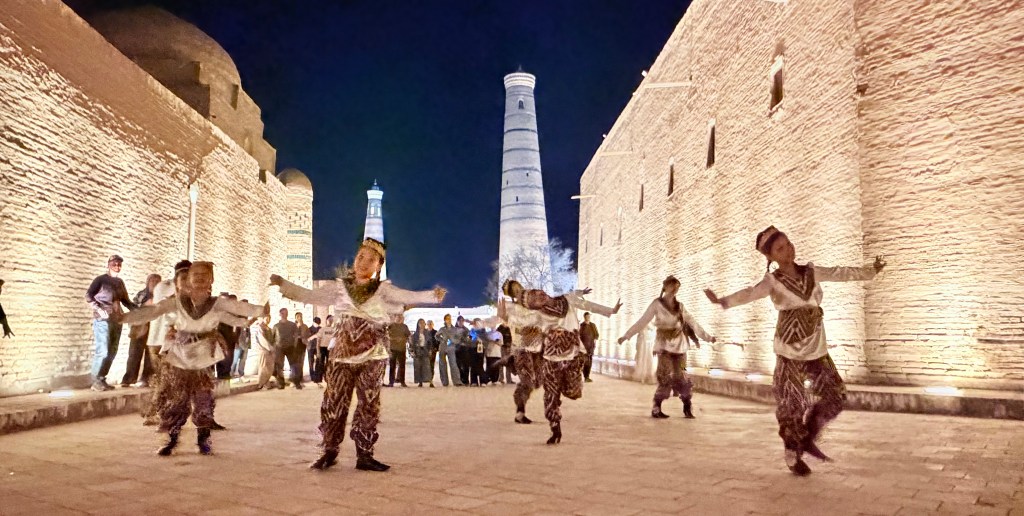
Occasionally, the air vibrates with the lively sounds of music and the rhythmic movements of traditional dance shows. I was fortunate enough to witness an impromptu dance performance by a group of students preparing for a competition in Khiva the next day. They kindly offered us a dress rehearsal of their captivating routine.

Samarkand Stepping into the Silk Road fairytale

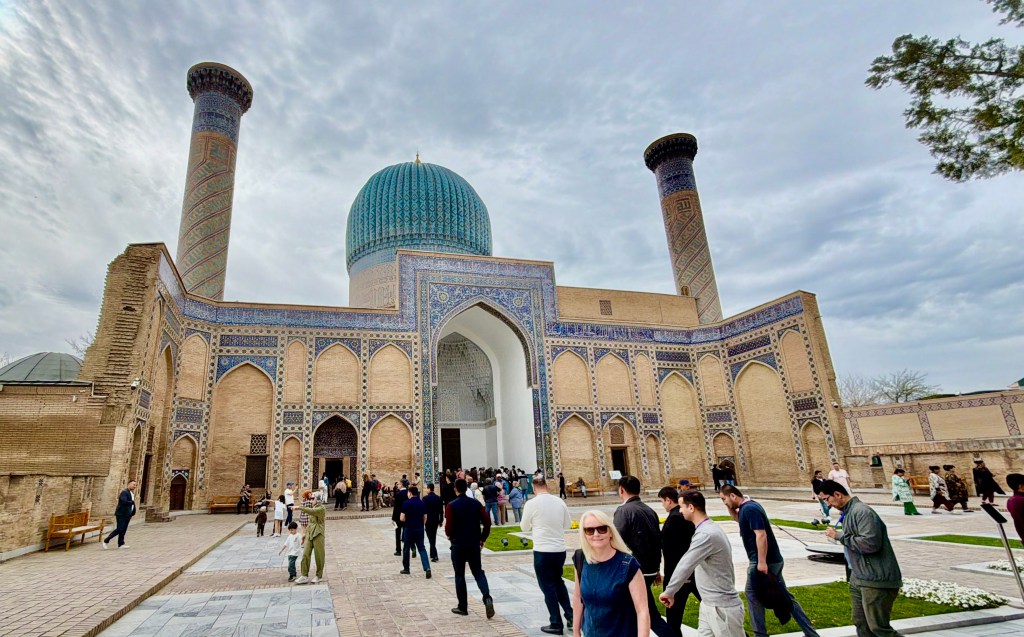
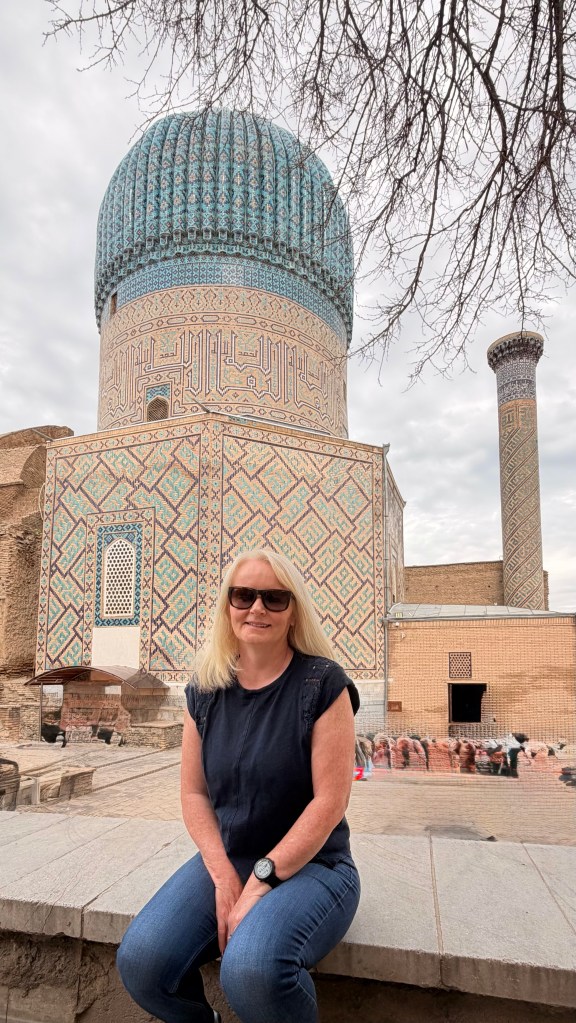
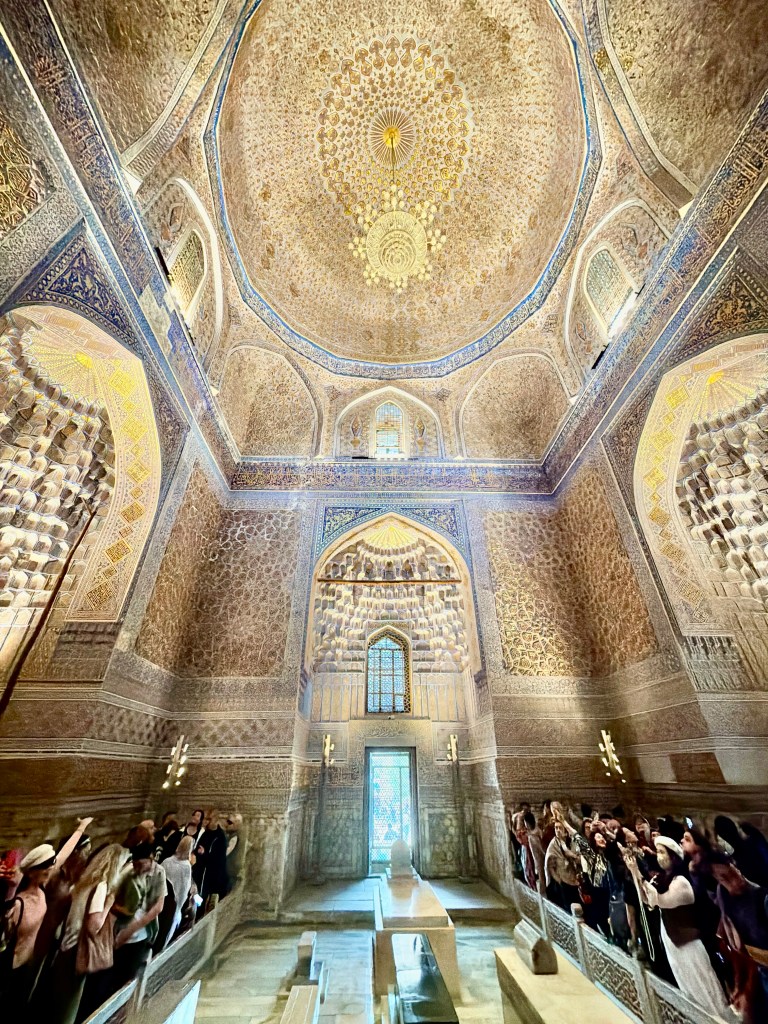
Samarkand is one of the oldest continuously inhabited cities in Central Asia and a majestic testament to the heights of Islamic architecture. Located in modern-day Uzbekistan, it has served for millennia as a crucial crossroads on the Silk Road, linking China, India, and the West.

If cities had summaries, Samarkand would be the overachiever, overshadowing everyone else. With over 2,500 years of history, it’s been conquered by Alexander the Great, levelled by Genghis Khan and rebuilt into a dazzling sapphire by Tamerlane (Amir Timur).

Today, Samarkand shines as Uzbekistan’s crown jewel—a place where the sky-blue mosaics are so vibrant, they seem to glow from within. Whether you’re a history enthusiast or simply someone who loves a delicious bowl of plov, here’s why Samarkand should be at the top of your travel bucket list for 2026.

You can’t throw a stone in Samarkand without hitting a UNESCO World Heritage site. Here are a few you absolutely cannot miss:

Registan

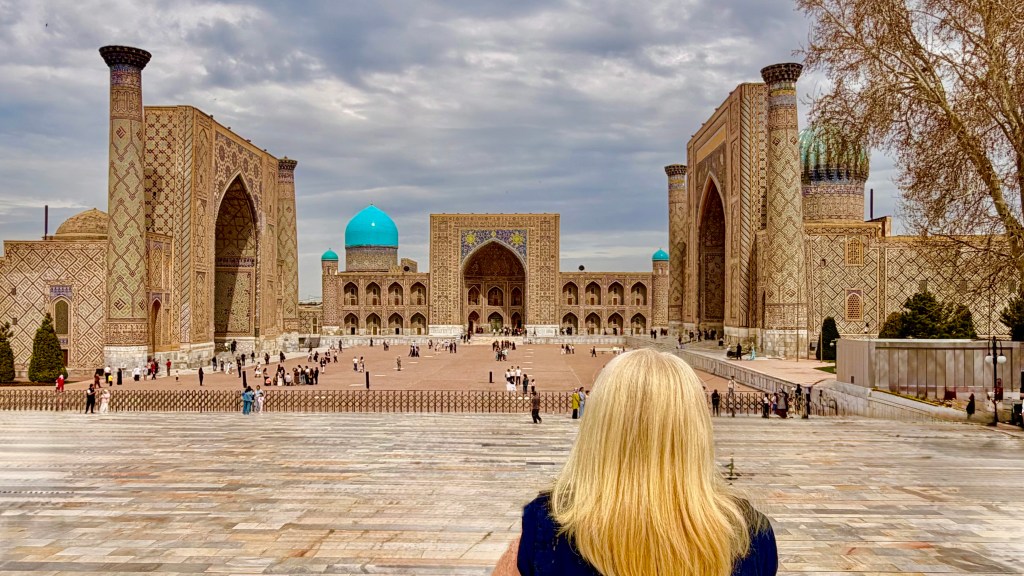
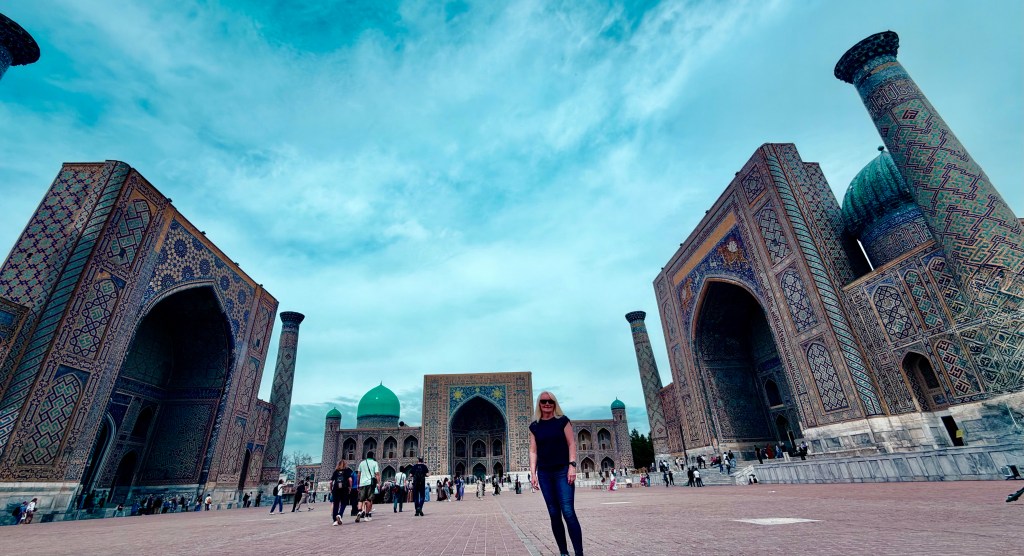
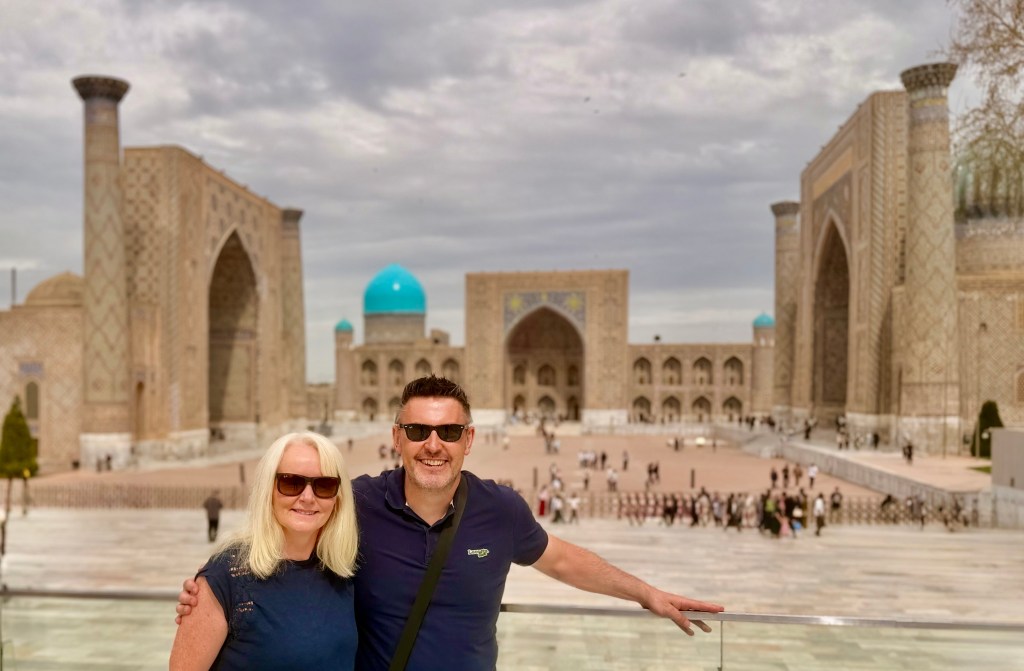
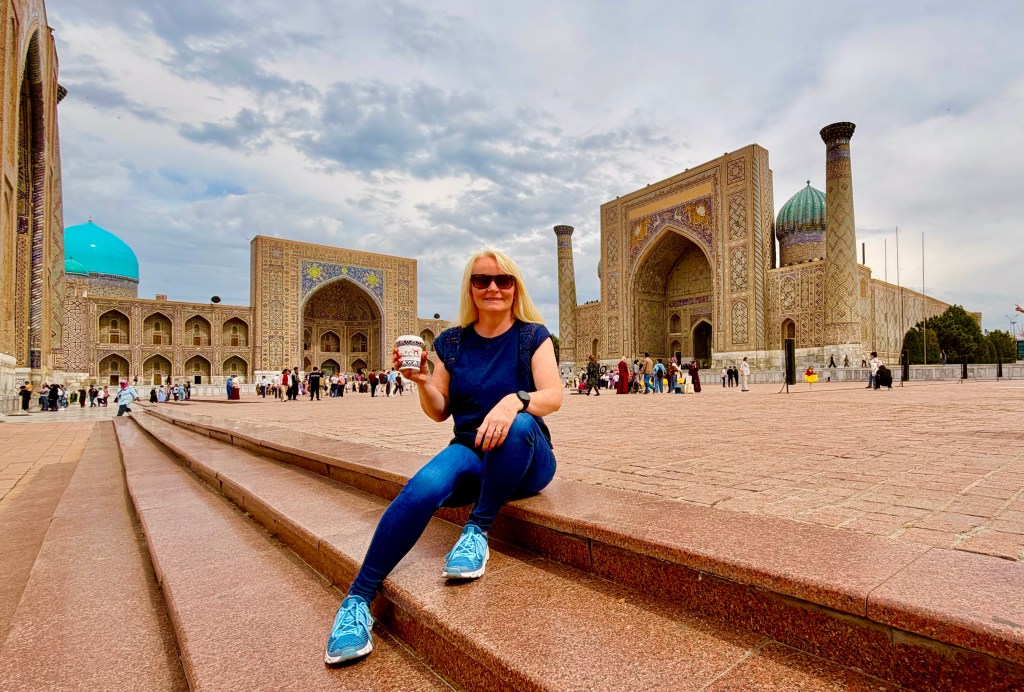
Registan, nestled in the heart of the city, stands as one of Uzbekistan’s most iconic landmarks. This breathtaking square, framed by grand madrasahs, is a must-see for any traveller seeking to immerse themselves in the nation’s rich history and architectural splendour.

Samarkand’s Registan Square, at the heart of Samarkand, is truly a sight to behold. Once the bustling centre of the Timurid dynasty, it was where merchants, scholars, and citizens all crossed paths along the Silk Road.

It is widely considered one of the most magnificent public squares in the world. It was a centre for royal proclamations, executions, and public gatherings, framed by three massive Madrasas (Islamic schools) that showcase the height of Islamic architecture.

You might have seen pictures of it on Instagram, but nothing quite gets you ready for how huge the Registan is! This central square is surrounded by three huge madrasas (Islamic schools) covered in beautiful, sand-coloured brickwork and sparkling blue mosaics.

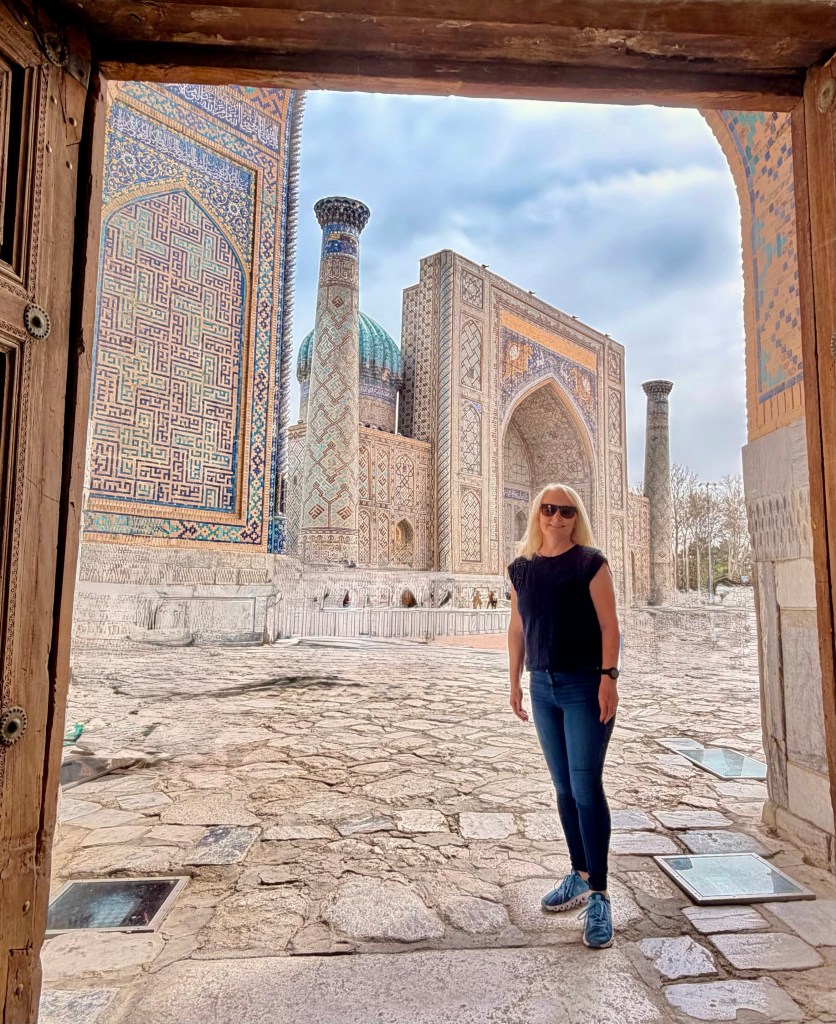
Three Madrases

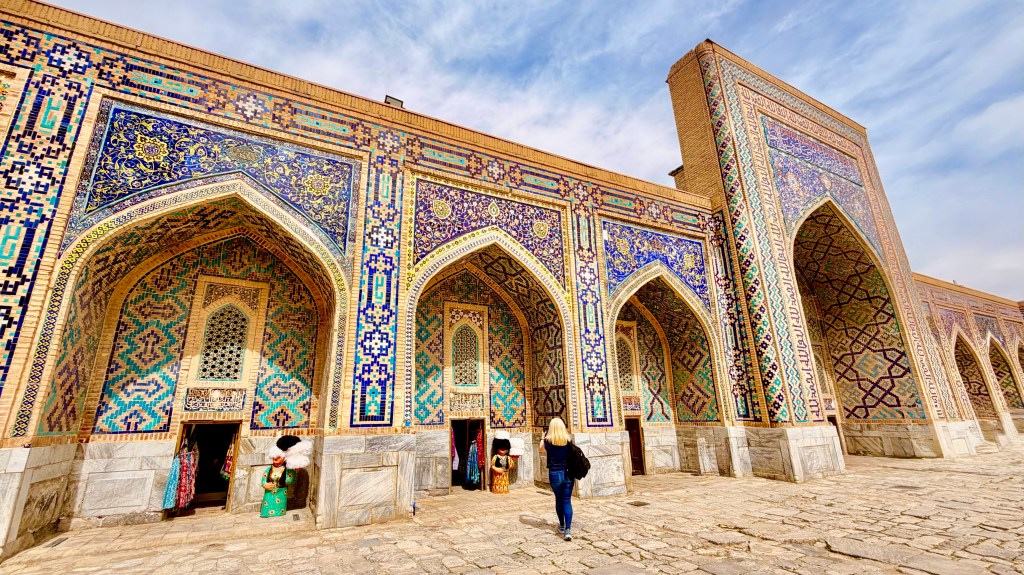
The Ulugh Beg Madrasa, constructed between 1417 and 1420 by Timur’s grandson, stands as a remarkable example of Timurid architecture. Renowned for its focus on astronomy and mathematics, the madrasa became a celebrated centre of learning, attracting scholars from across the region. Its intricate designs, grand portal, and elegant tilework reflect both the scientific vision and artistic sophistication of its era.

The She-Dor-Madrasa, constructed between 1619 and 1636, is renowned for its striking facade adorned with intricate mosaics depicting lions and tigers.

The Tilya-Kori Madrasa, constructed between 1646 and 1660, is renowned for its opulent gold-adorned interior. This architectural marvel functions as both an educational institution and a place of worship.

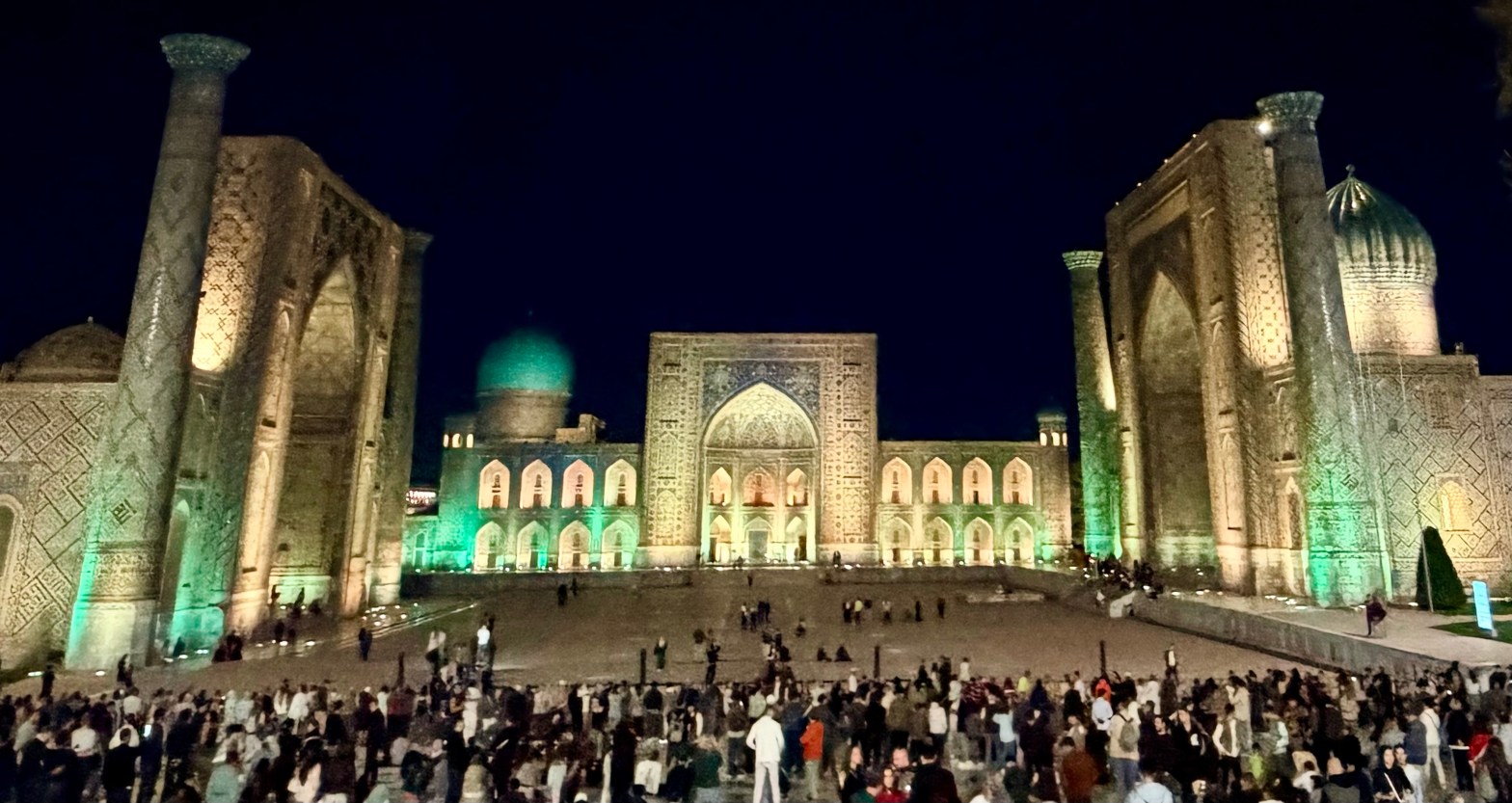
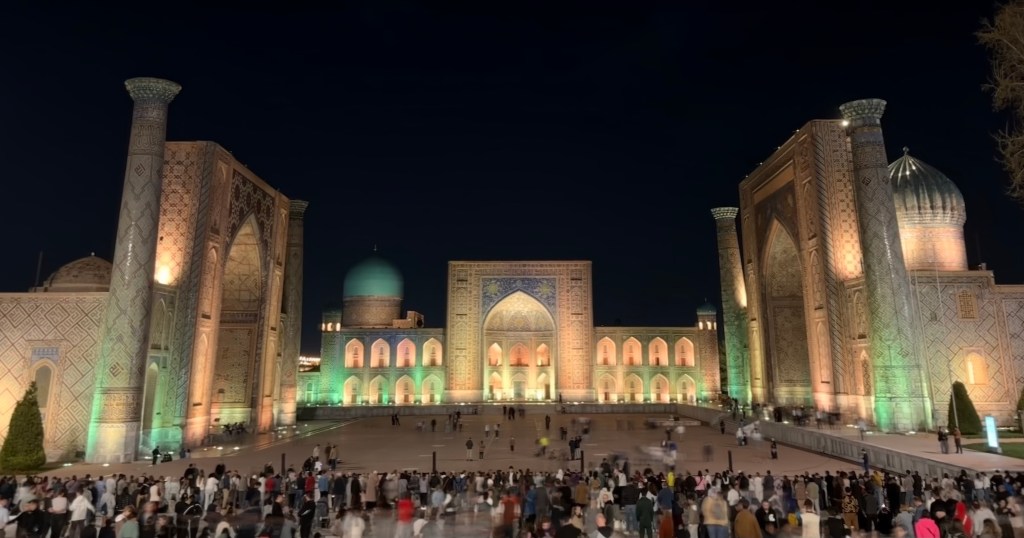
I love the Evening Light Show at the square. It’s such a magical experience to see the area illuminated with lights and accompanied by sound around 8:00 PM or 9:00 PM, depending on the season. Make sure to check the schedule at the ticket office beforehand, just in case a full laser show needs a certain number of spectators or a sponsor.

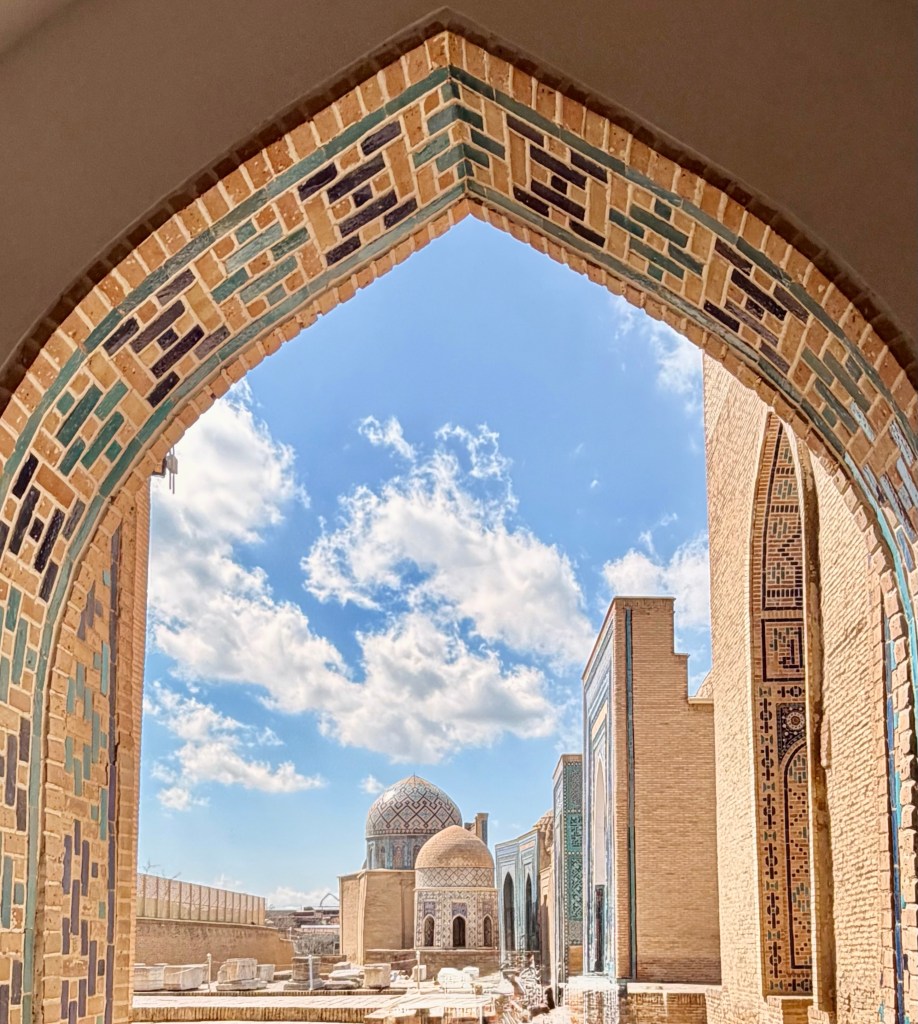
Shah-I-Zinda

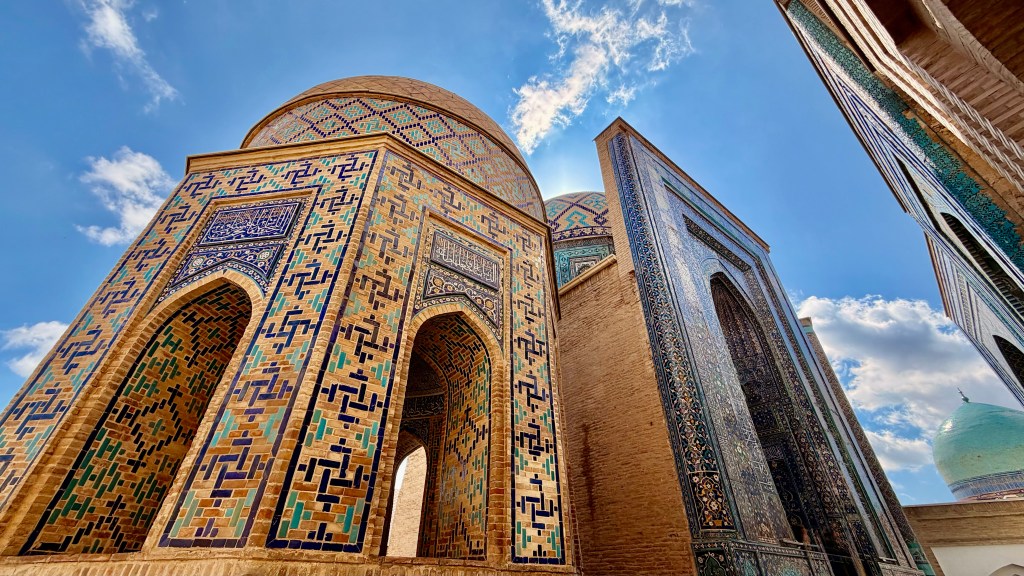
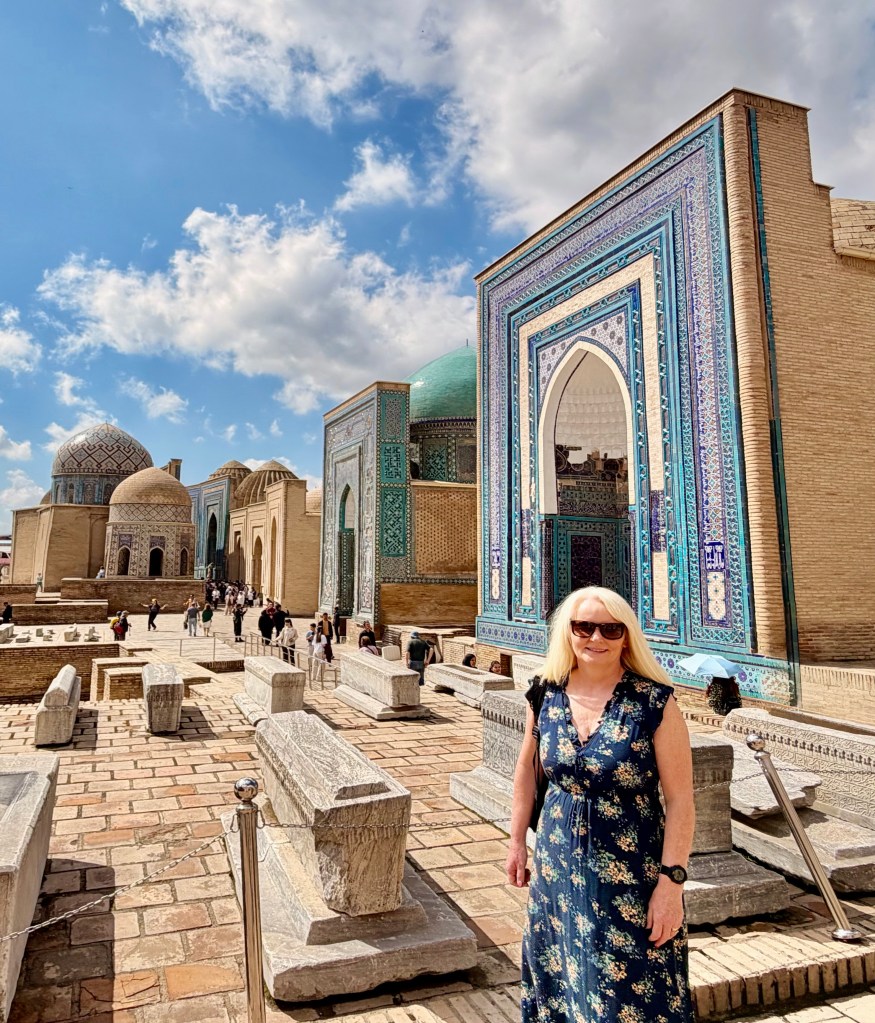
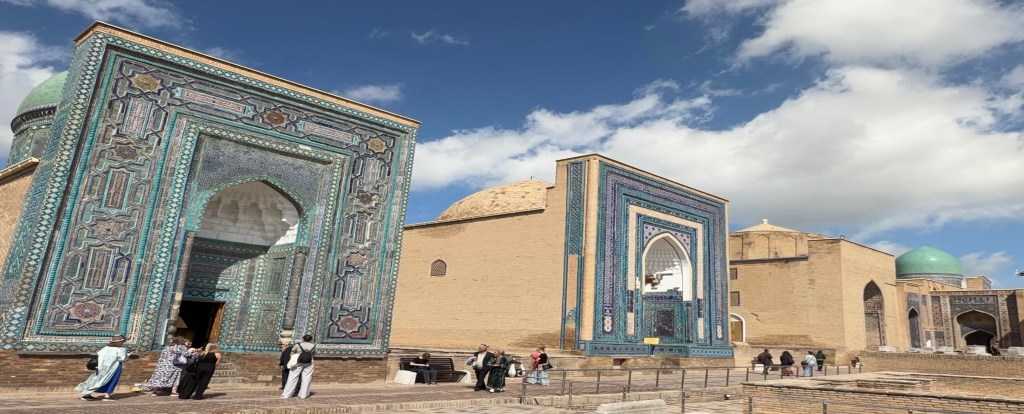
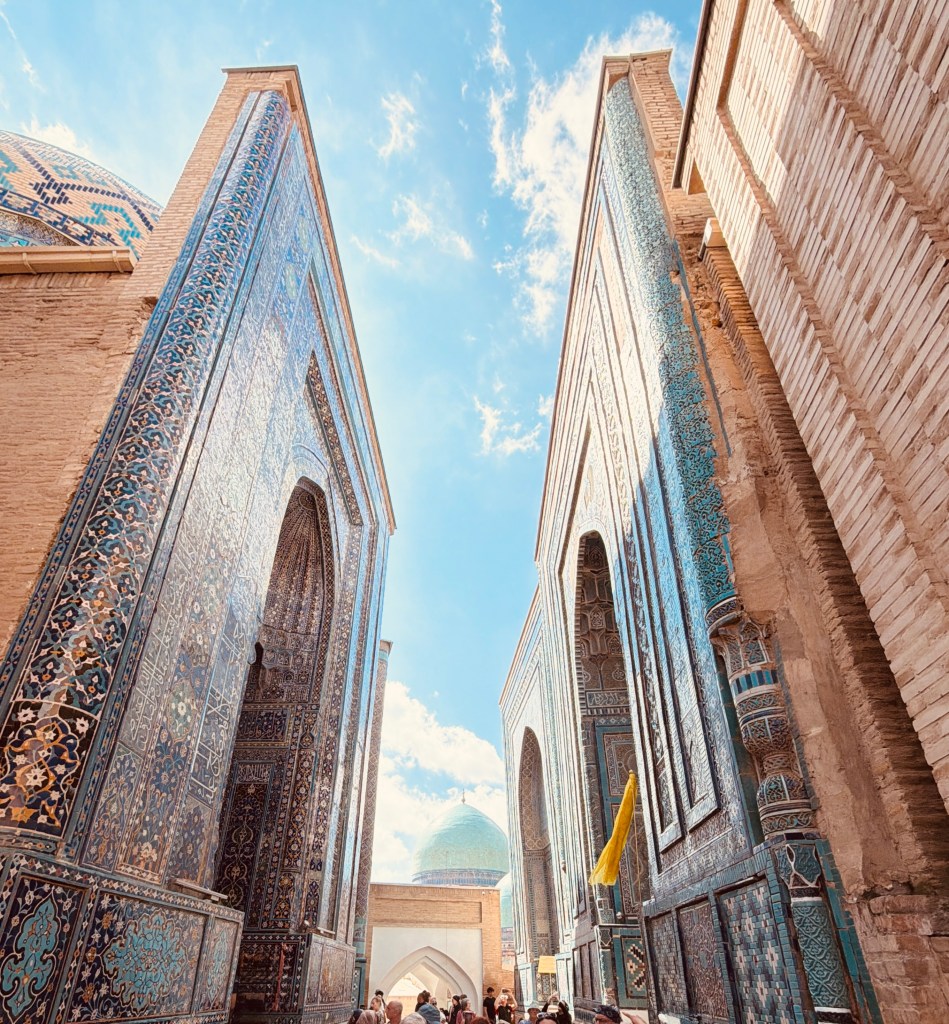
The Shah-i-Zinda (Persian for “The Living King”) is arguably one of the most breathtaking architectural ensembles in the world.

 Located on the southeastern slope of the Afrasiyab hill in Samarkand, Uzbekistan, it is a necropolis that serves as a masterclass in Islamic tilework and Timurid architecture.

The necropolis consists of a long, narrow street of mausoleums built between the 9th and 19th centuries. However, the most iconic structures date back to the Timurid era (14th–15th centuries).

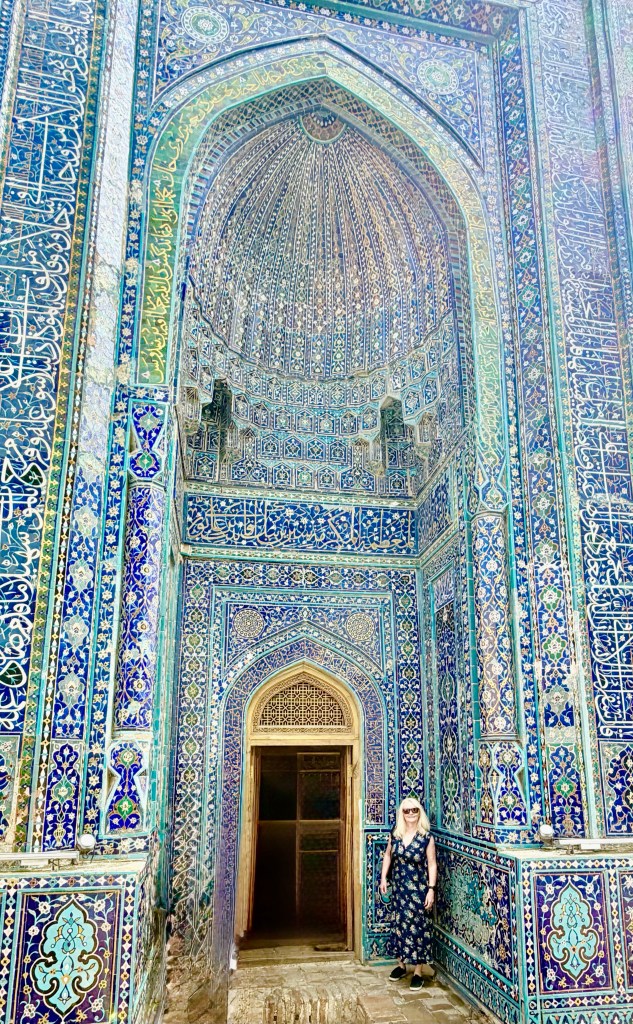
Imagine a vibrant ‘street’ lined with stunning mausoleums, each adorned with breathtaking ceramic tiles that captivate the eye.

The Blue Aesthetic: Buildings that are adorned with intricate majolica, mosaic, and terracotta. The dominant colours are vibrant shades of turquoise, ultramarine, and royal blue.

Visitor Etiquette: Requires modest dress and an atmosphere of quiet reverence as an active religious site. For centuries, it has been a major pilgrimage site. It is a UNESCO World Heritage Site, a core part of the Samarkand crossroad of cultures.

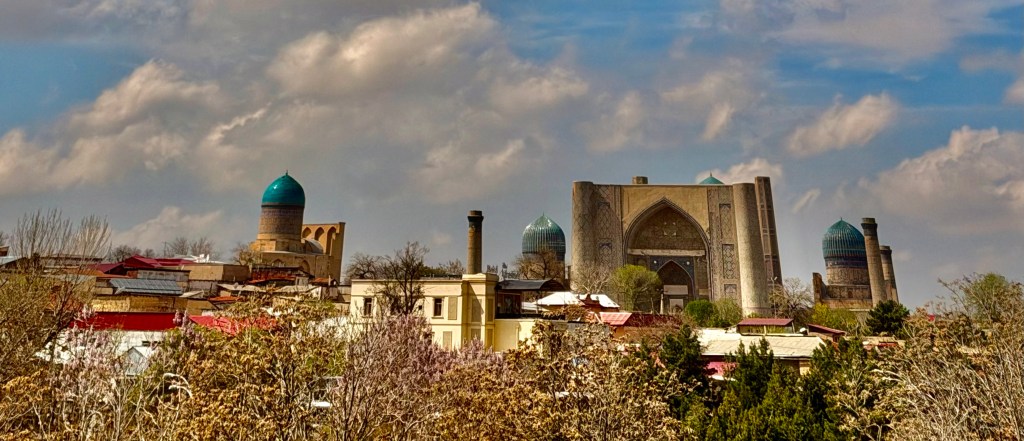
Bibi Kanhym Mosque

One of the most magnificent mosques in the Islamic world is adorned with a stunning blue dome that captivates all who gaze upon it.

The Bibi Khanym Mosque in Samarkand, Uzbekistan, is one of the most ambitious and monumental architectural feats of the medieval Islamic world. Built between 1399 and 1404, it was designed to be the crown jewel of Tamerlane’s (Timur’s) empire.

The Name: It is named after Tamerlane’s favourite wife, Saray Mulk Khanym (nicknamed Bibi Khanym). While legend says she built it as a surprise for him, historical records suggest Timur himself oversaw the project with intense—and sometimes aggressive—scrutiny. 

Timur intended for this mosque to surpass everything he had seen during his conquests. However, his ambition famously outpaced the engineering of the time, leading to problems with construction due to the building techniques and the rushed timeline.

Challenges and restoration

The building’s rapid construction and immense scale led to structural failure, causing bricks to fall from the main dome onto worshippers during Timur’s lifetime.

The Ruins, a massive and majestic ruin, was left to decay after centuries of neglect and earthquakes. A major restoration project began in the 1970s (Soviet era) and continues to stabilise the blue domes and towering portal into the 21st century. 

Today, the mosque is a UNESCO World Heritage site and remains a symbol of the “Timurid Renaissance,” blending Persian, Indian, and Central Asian artistic styles.

Wine tasting in Samarkand 🍇

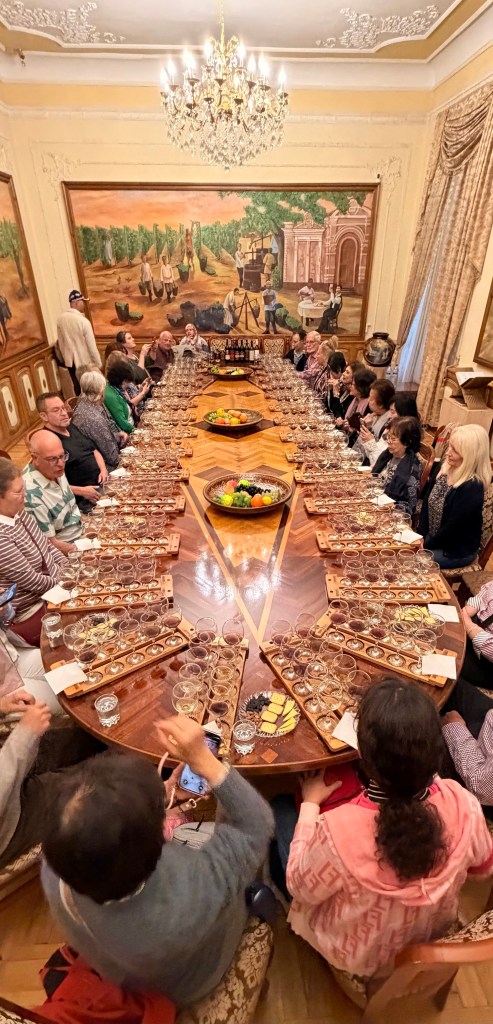
Samarkand boasts a rich and enduring wine-making heritage spanning two millennia, reflecting the region’s deep-rooted cultural tradition.

Uzbekistan’s sunny climate, with around 300 days of sunshine each year, means the grapes there are packed with sugar—often reaching 25–27% compared to the global average of 16–18%. Giving the wines a naturally sweet and strong flavour.

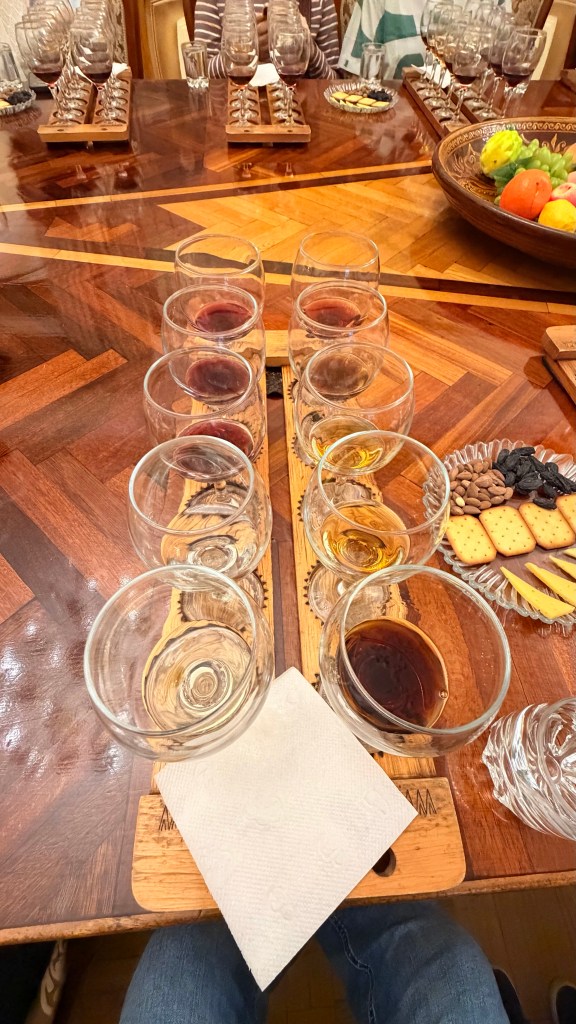
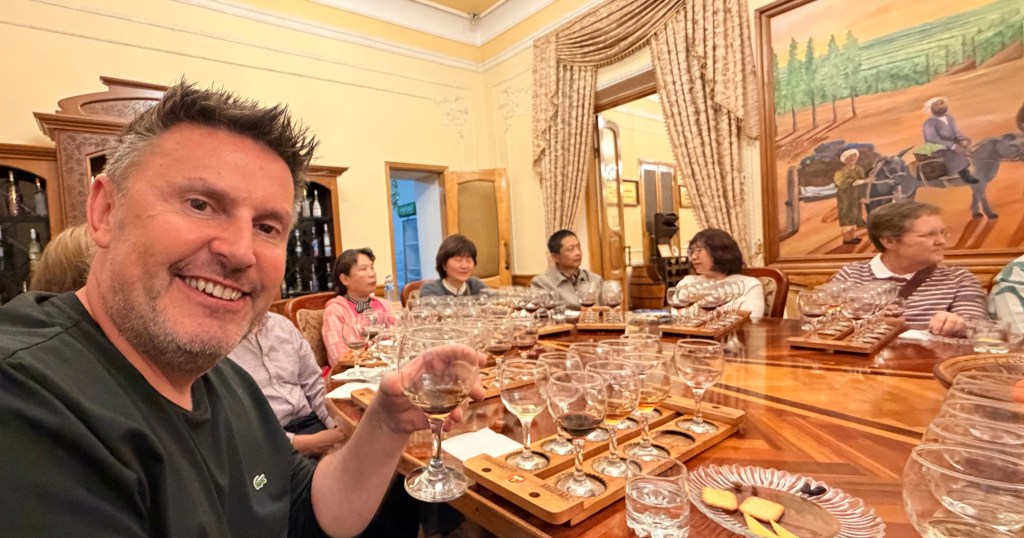
I was surprised to find that many wineries offer experiences and tastings. One of these was the Khoverenko Winery, where we tasted 12 beverages ranging from dry whites to aged Cognacs and the Samarkand balm, a herbal liquor.

Tastings usually conclude with robust, fortified dessert wines, which are considered the true local speciality.


In Plov We Trust 🍽️

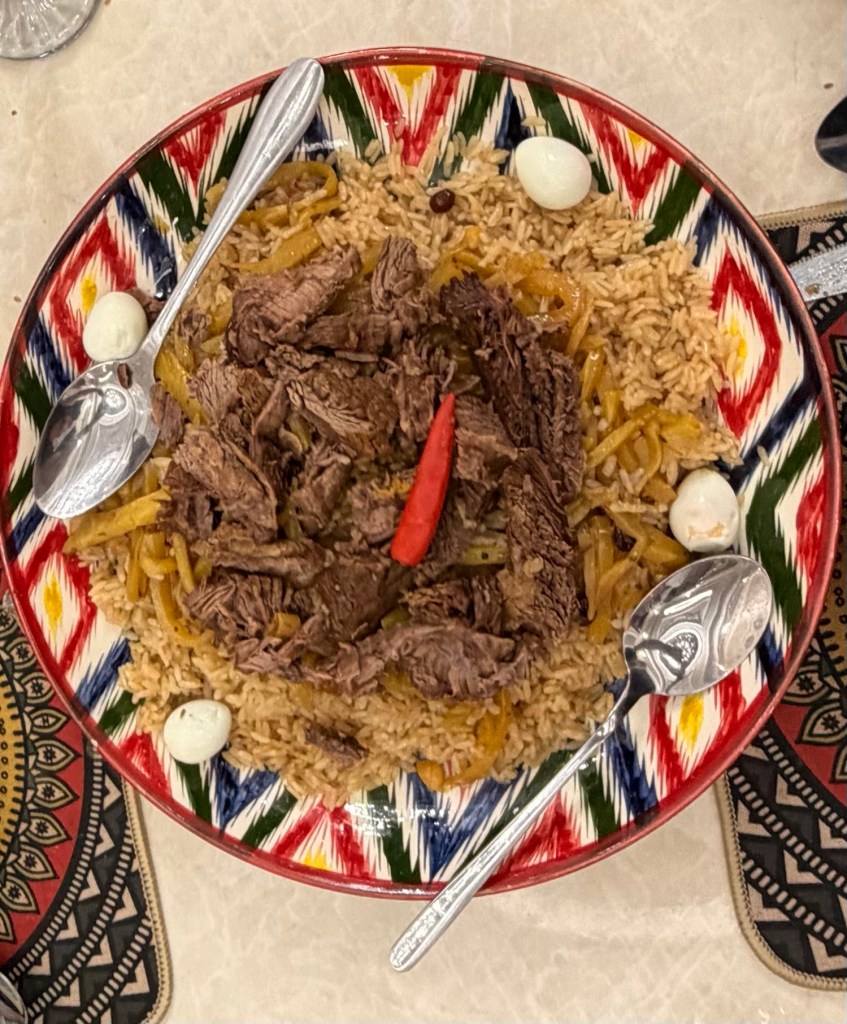
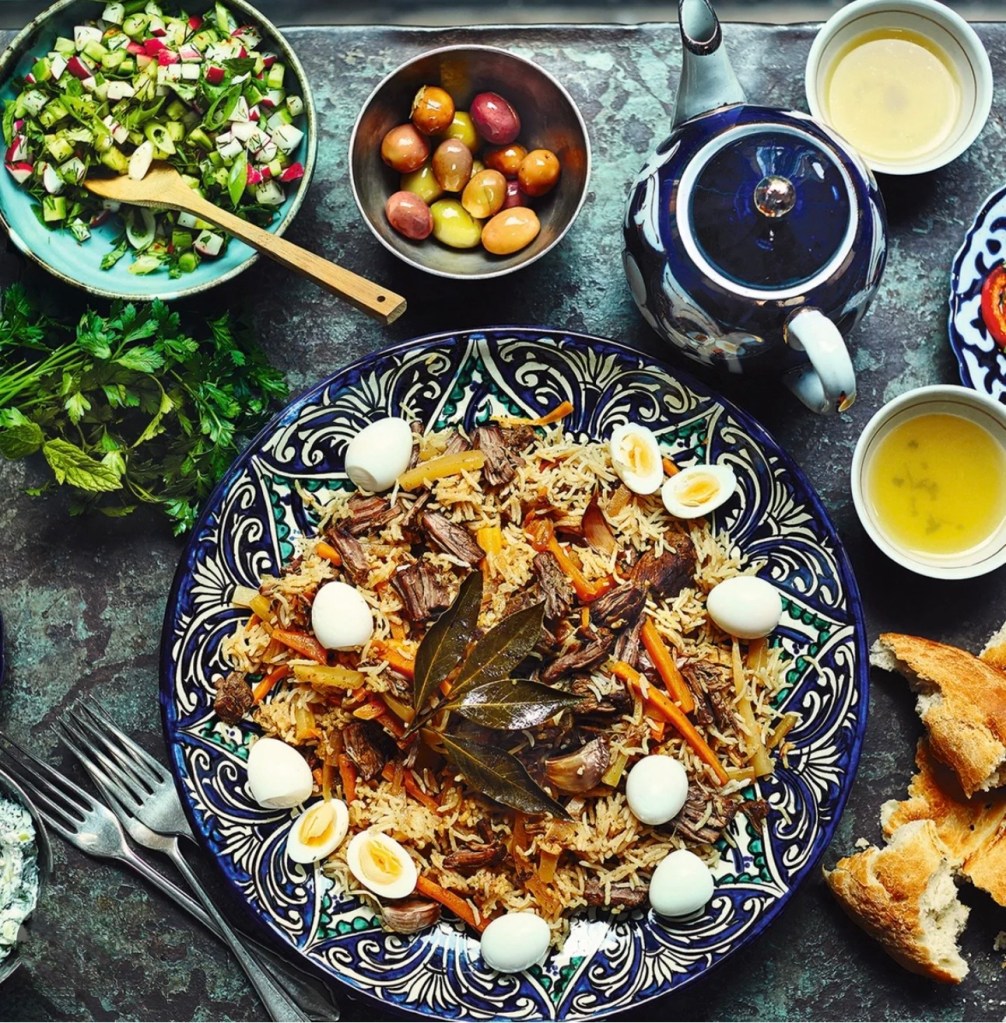
Uzbek Plov (or Osh) is more than just a meal; it’s a cultural institution. In Uzbekistan, it is a symbol of hospitality, traditionally cooked by men (known as oshpaz) in massive cast-iron cauldrons called kazans. 

A culinary cult has emerged, centred on one sacred dish: plov. Imagine a heaping mound of rice, carrots, and tender meat, steaming like a beacon of flavour and friendship.

If it’s not plov, it’s just rice with an identity crisis. 😀

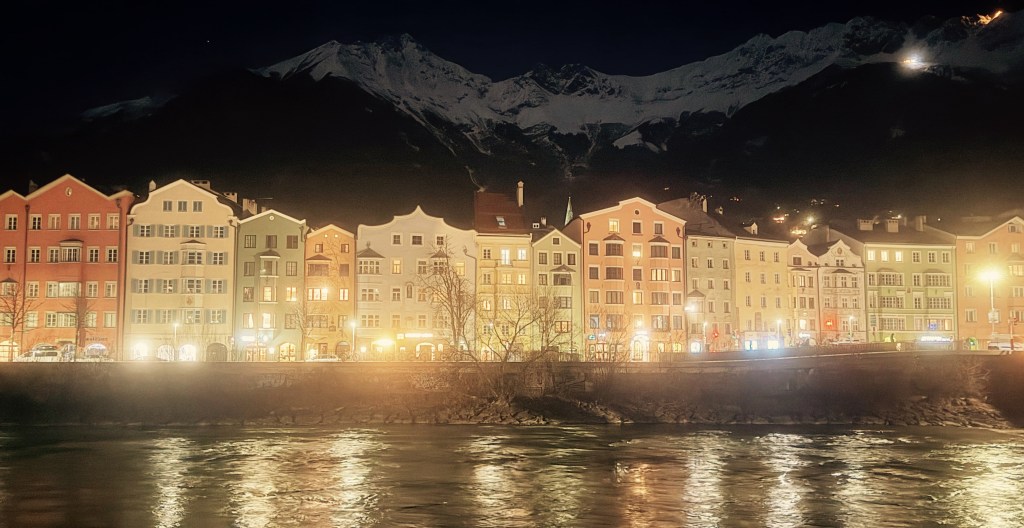
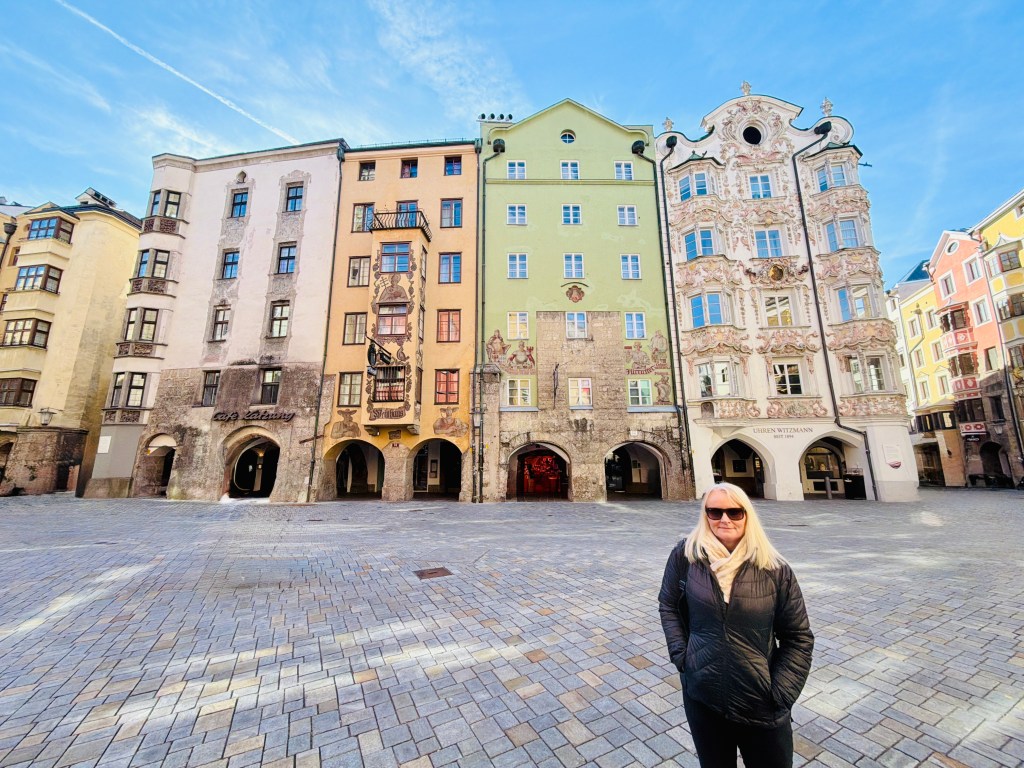
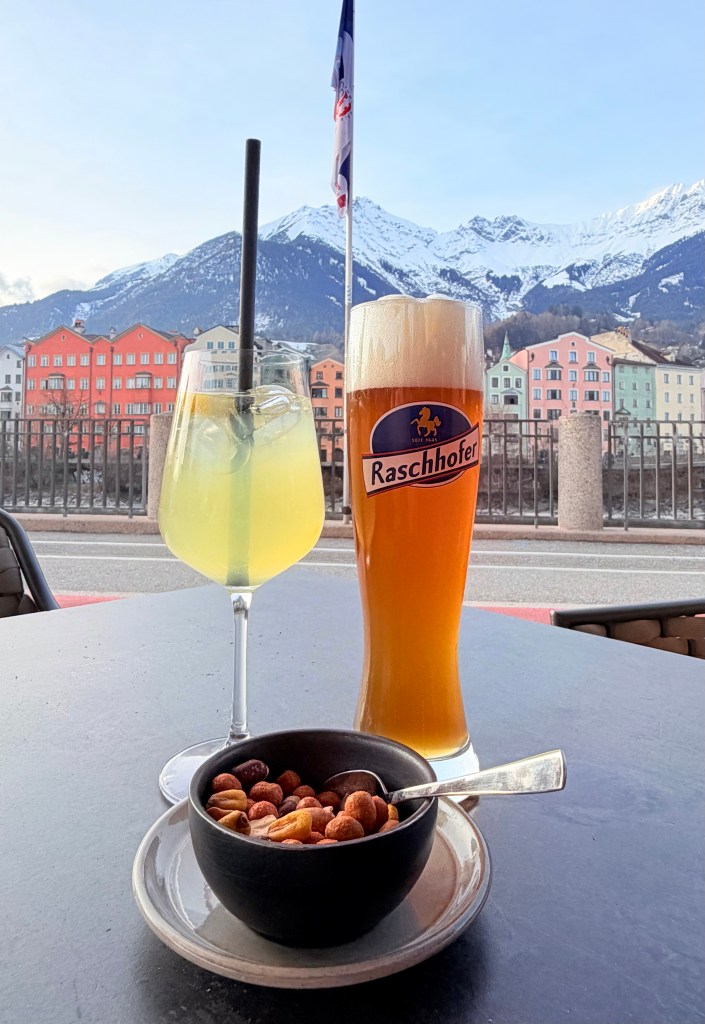
Innsbruck, an Alpine urban location that offers a perfect blend of culture, nature and relaxation.

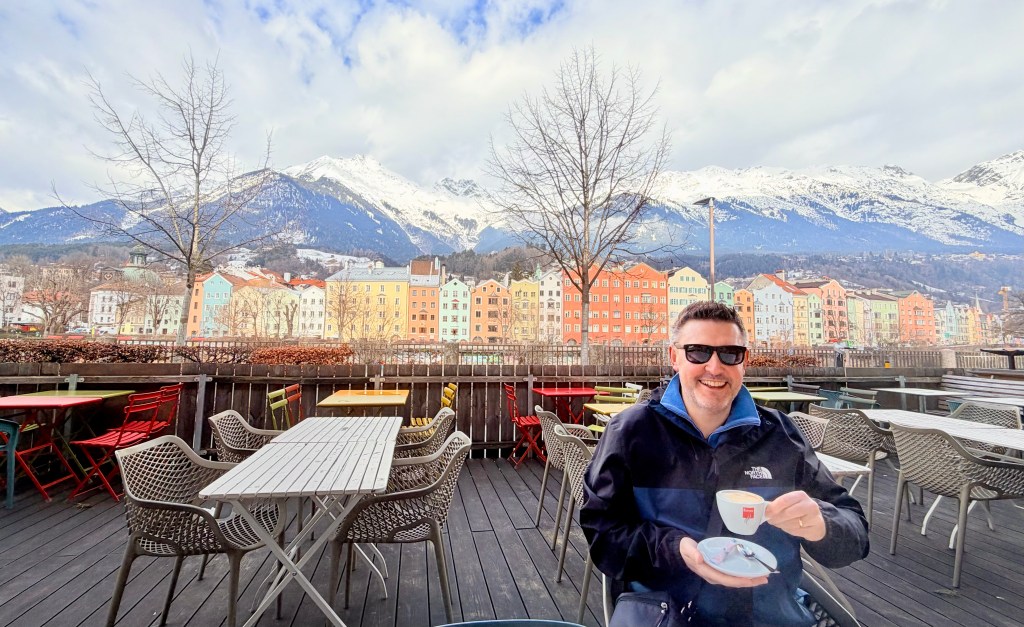
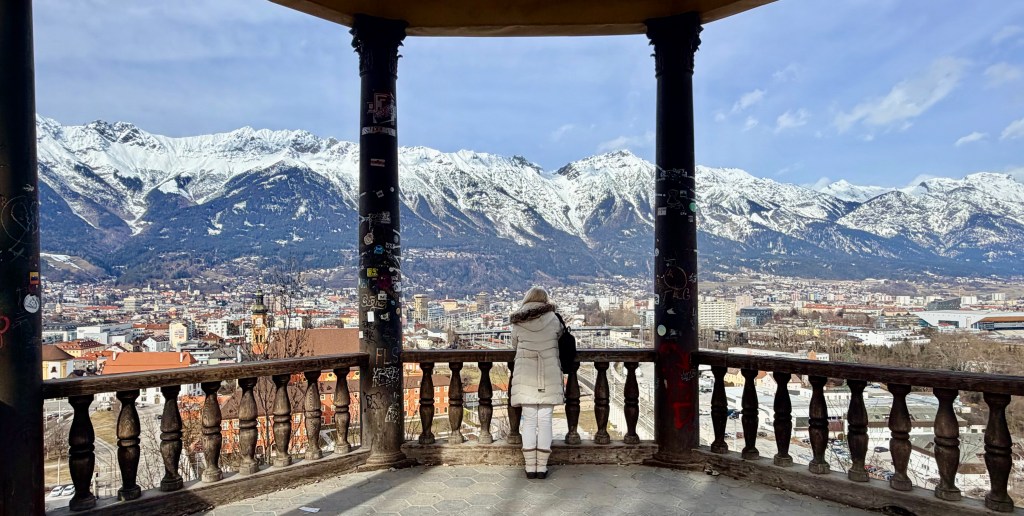
A picturesque city nestled in the embrace of snow-capped mountains, which harmoniously blends Imperial history with contemporary alpine life.

The city is delightfully divided by the River Inn, lending its name to this enchanting place. This scenic spot is a cherished retreat for runners, cyclists, and photographers, providing stunning views of vibrant historic architecture set against the majestic backdrop of the Alps.

Nestled in the heart of Austria, this charming city, with a population of just over 130,000, ranks as the country’s 5th largest. Despite its size, it exudes a delightful village atmosphere.

Breathtaking views from majestic mountains surround the city centre, just a 10-minute journey away. Its exceptional geographical position has earned it the affectionate title of the Capital of the Alps.

Innsbruck offers a perfect blend of stunning outdoor activities for all interests. Whether you’re an adrenaline junkie, a casual walker, or simply seeking a photo opportunity, Innsbruck has something for everyone.

Old Town (Altsadt)

A captivating historical site, this charming location offers a picturesque fusion of Baroque and Medieval architecture, inviting visitors to step back in time and immerse themselves in its timeless beauty.

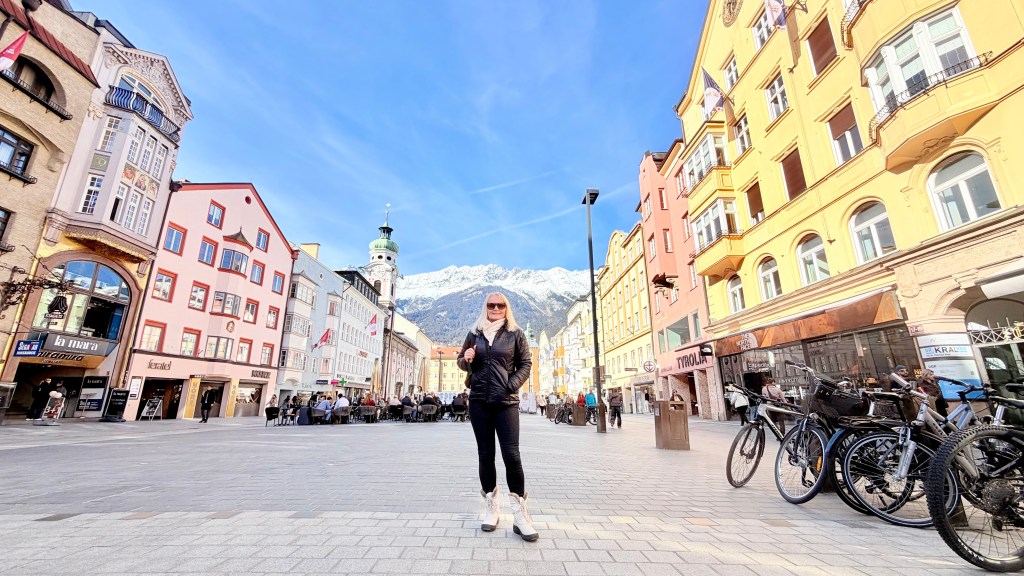
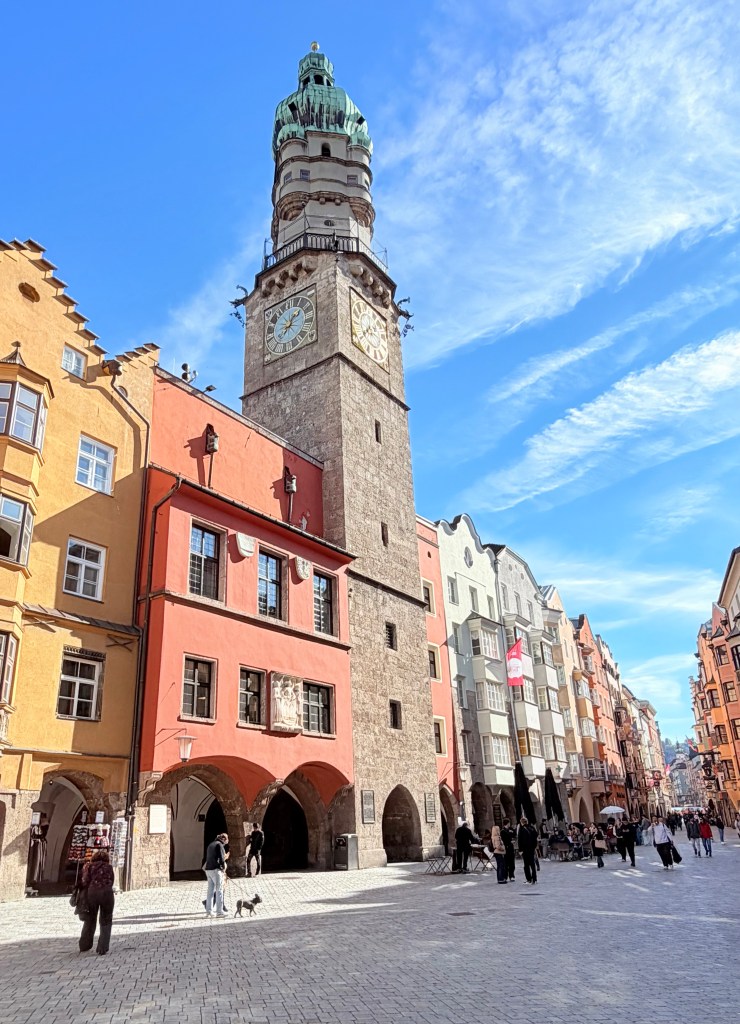
Innsbruck’s old town is a captivating area, steeped in history and exuding charm. Its historic buildings stand proudly along picturesque cobbled streets, inviting visitors to wander and explore its timeless beauty.

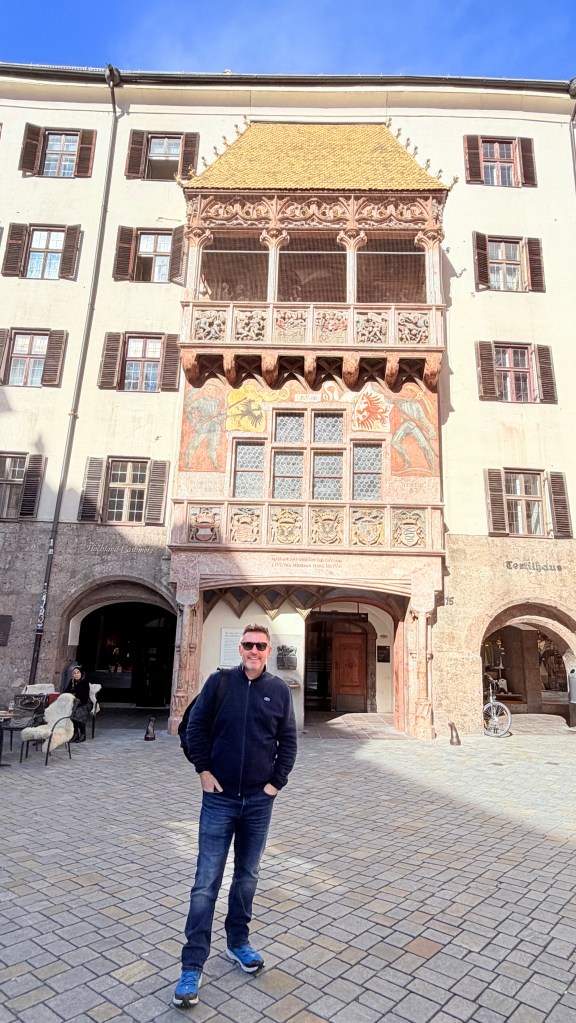
The Golden Roof is a lovely historic gem with a shiny, gilded balcony that catches your eye straight away. Built back in the 15th century for Emperor Maximilian, it’s full of charm and fascinating details. Visitors are always enchanted by its beautiful design and rich history!

Stroll at your own pace through the delightful and scenic streets of the old town, where we can explore Tyrol’s fascinating cultural heritage. As we wander down the quaint, cobblestone paths, we’ll uncover a treasure trove of historical gems, each with its own tale to share, giving us a peek into the past that has shaped this magical region.

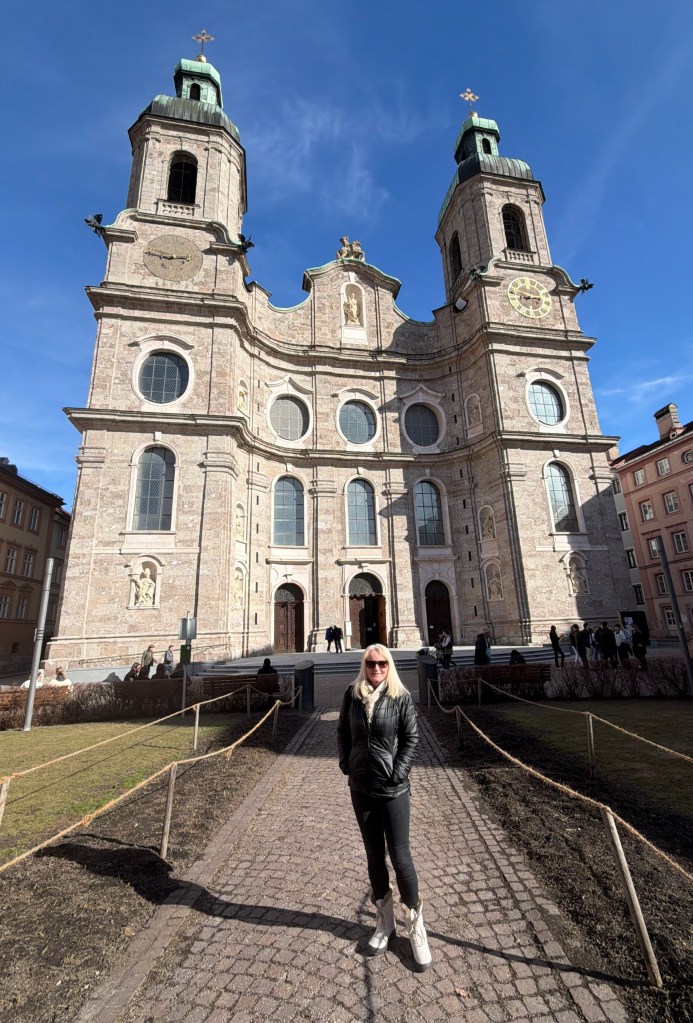
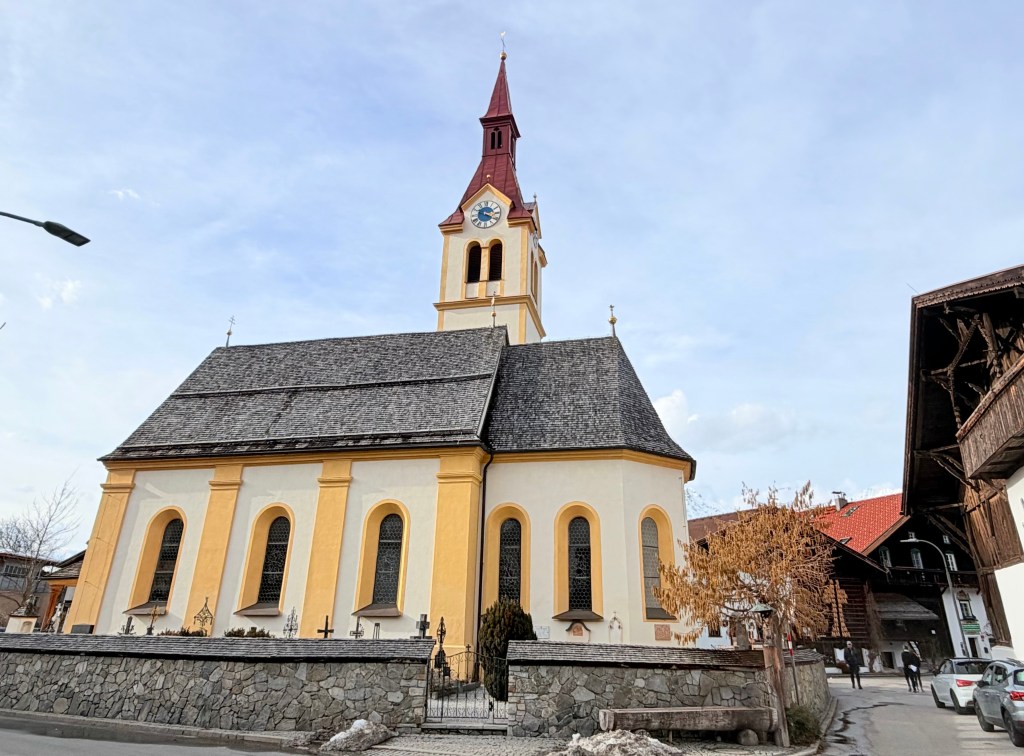
The old town is full of amazing churches, each with its own unique style. You can see everything from the detailed and sturdy designs of the Middle Ages to the fancy and elaborate looks of the Baroque period. It’s like a whole story of architecture, and it’s a treat for your senses to see how churches have changed and grown over the years.

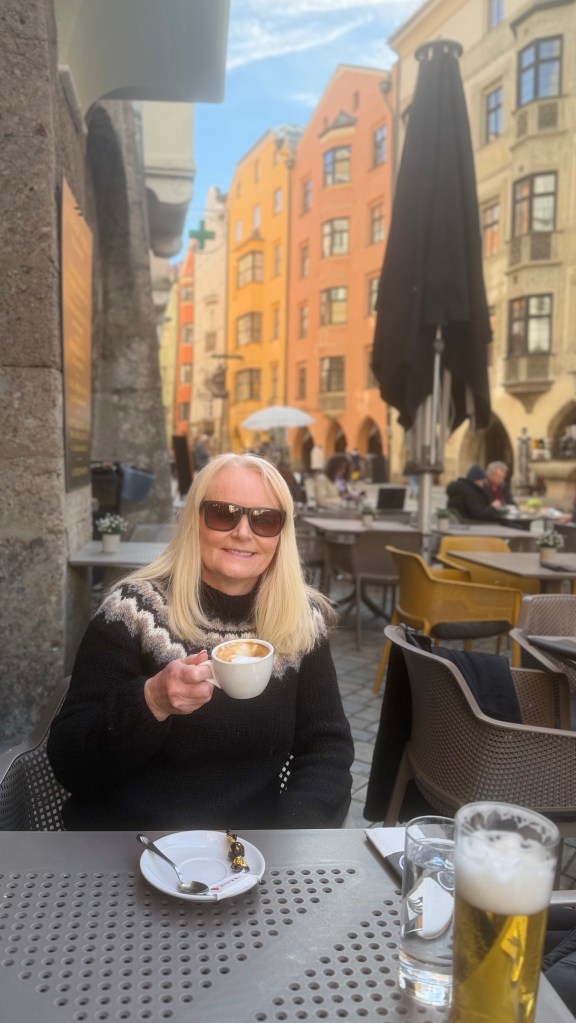
After a day of exploration, it was the perfect time to unwind. The charming old town boasts a delightful array of cafes, bars, and restaurants, each offering a unique opportunity to savour a drink or a meal. Here, you can soak in the lively atmosphere and delve into the fascinating history that surrounds you.

NORDKETTE – Top of Innsbruck

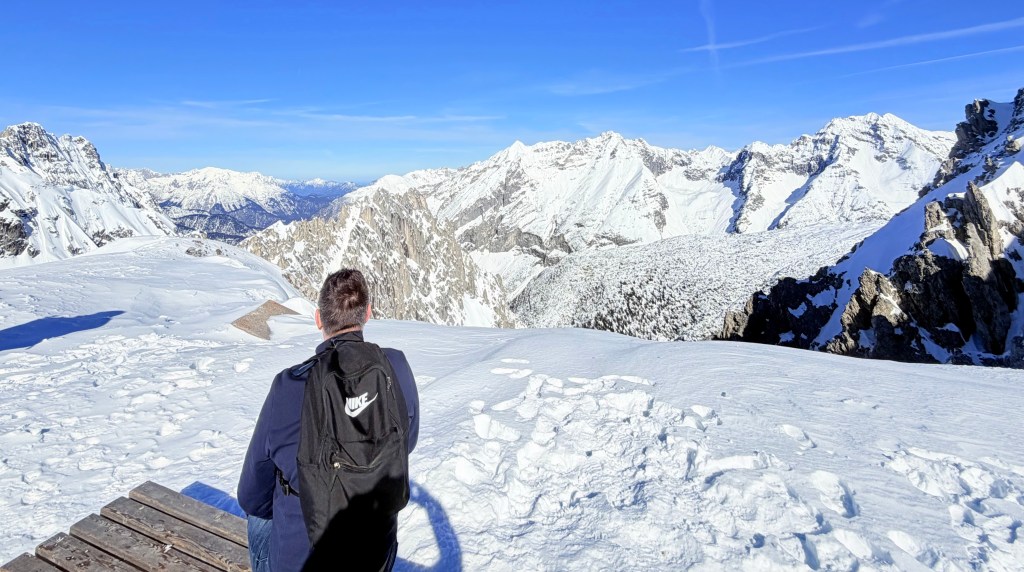
Innsbruck’s highest viewpoint is situated at 2,300 meters and is easily accessible via a direct route from the city.

No visit to Innsbruck would be complete without a trip that totally immerses you in breathtaking views of the towering Nordkette mountain range, the lush, verdant valleys, and the enchanting alpine scenery that embodies the magic of the Alps.

The three stages to reach the top are:

Taking a funicular railway to Hungerburg.

Getting into a cable car from Hungerburg to Seegrube.

Staying on the cable car to reach the summit at Hafelekar.

Most winter sport enthusiasts will alight at Seegrube.

We stayed on the cable car to reach the summit and stopped at Seegrube on our descent.

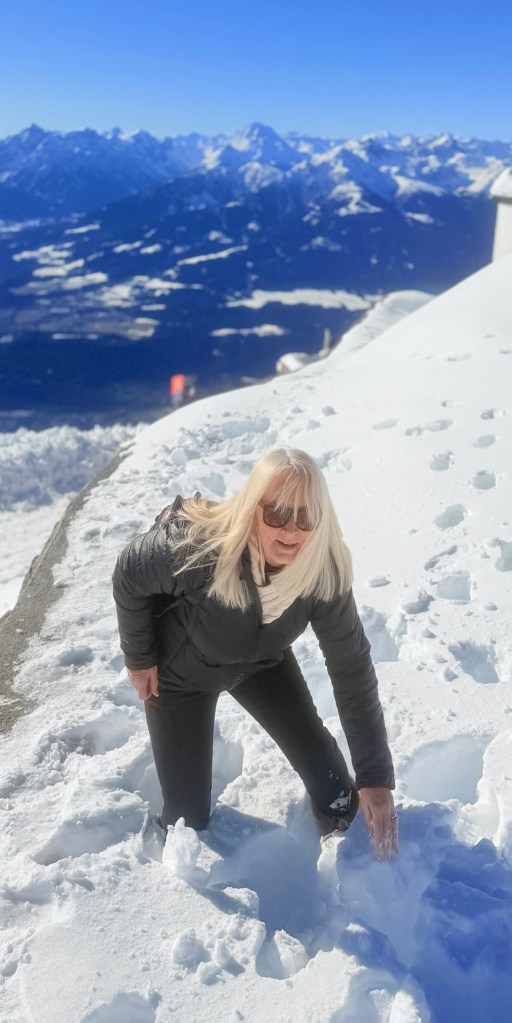
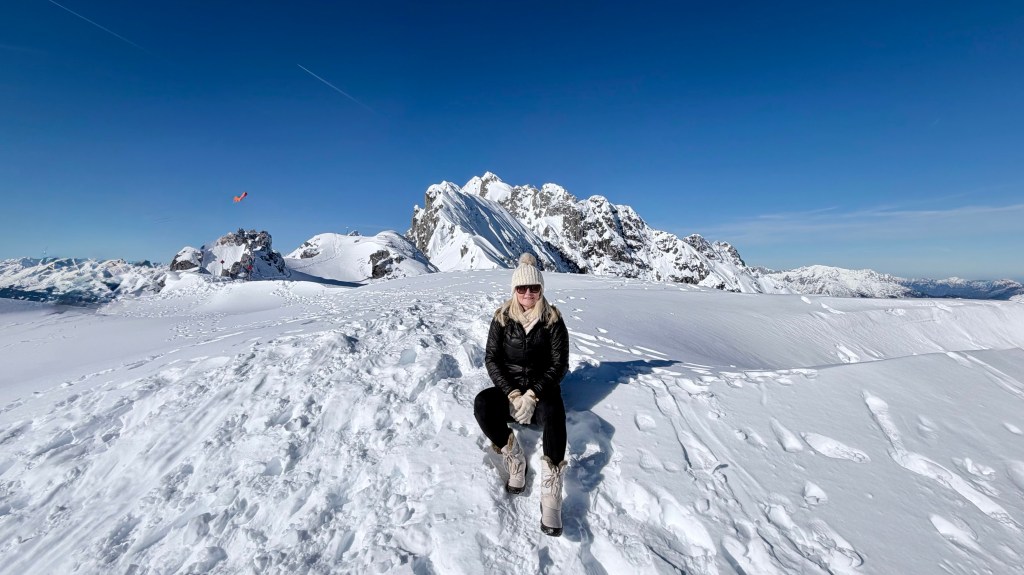
Upon reaching the summit, a short walk from the Hafeleker cable car stop, the surrounding area was accessible. However, unlike in summer, the snow required additional effort to explore without appropriate winter sports equipment.

The views were truly breathtaking, offering a panoramic vista of Innsbruck, the meandering River Inn, and the majestic alpine valley below. To fully appreciate this stunning scenery, it’s essential to monitor the weather forecasts.

The experience is most rewarding under clear skies, when the landscape’s beauty is fully revealed. However, be mindful that the location may be closed if an avalanche is predicted, ensuring safety for all visitors.

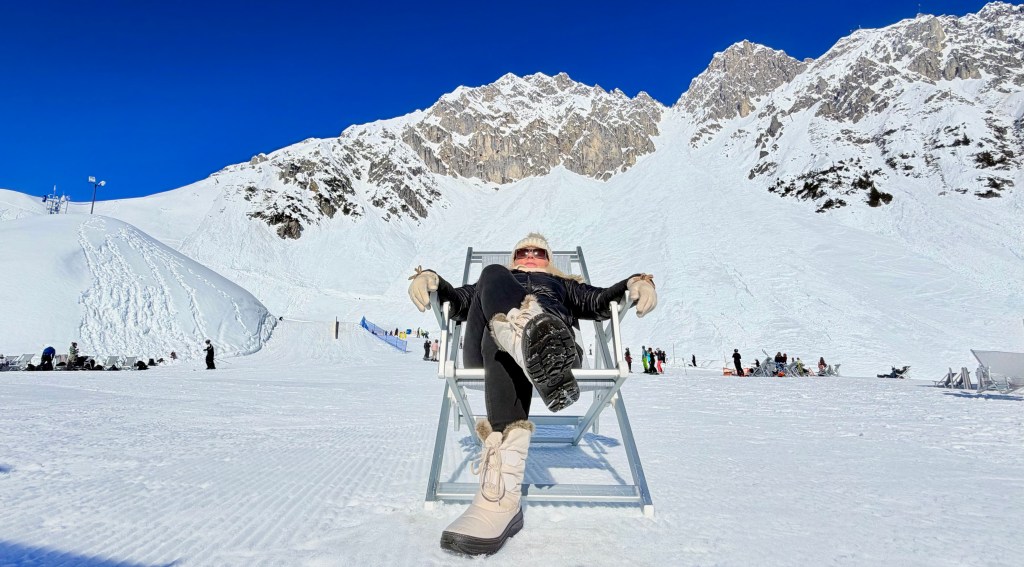
We embarked on our descent, pausing at Seegrube, a delightful spot where skiers and snowboarders showcased their skills with flair. It’s an ideal place to unwind in a deckchair, observe the lively crowd, soak in the breathtaking vistas, or savour a delightful alfresco lunch at the on-site restaurant.

The deckchairs were a delightful addition, providing a serene escape as you bask in the breathtaking alpine vistas of Innsbruck, though staying awake might be a challenge.

Bergisel Ski Jump

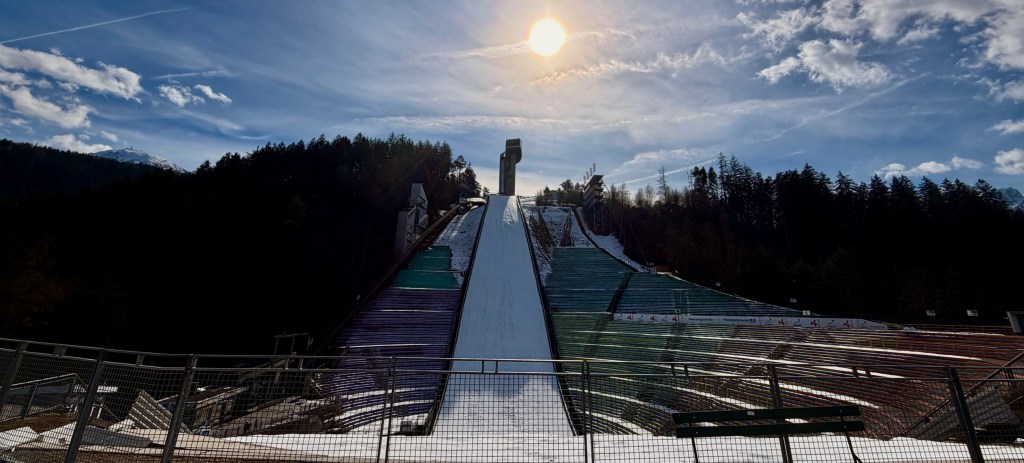
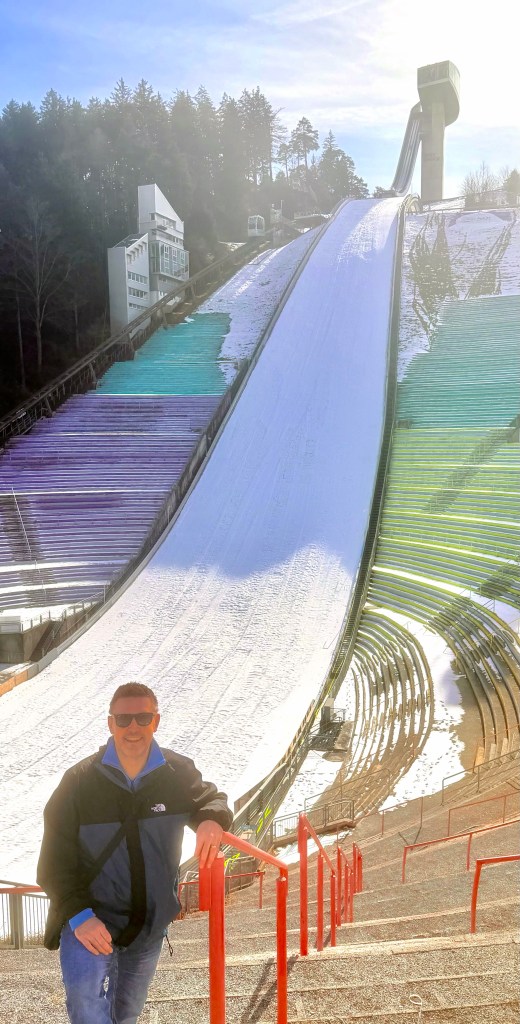
The Bergisel ski jump is a truly iconic spot in the world of ski jumping, known for hosting major events and even serving as the venue for ski jumping at two Olympic Games—1964 and 1976!

The hill, in its current form, was rebuilt in 2003 by the British architect Zaha Hadid. It sits high up on Bergisel Hill and is one of Innsbruck’s most recognisable landmarks.

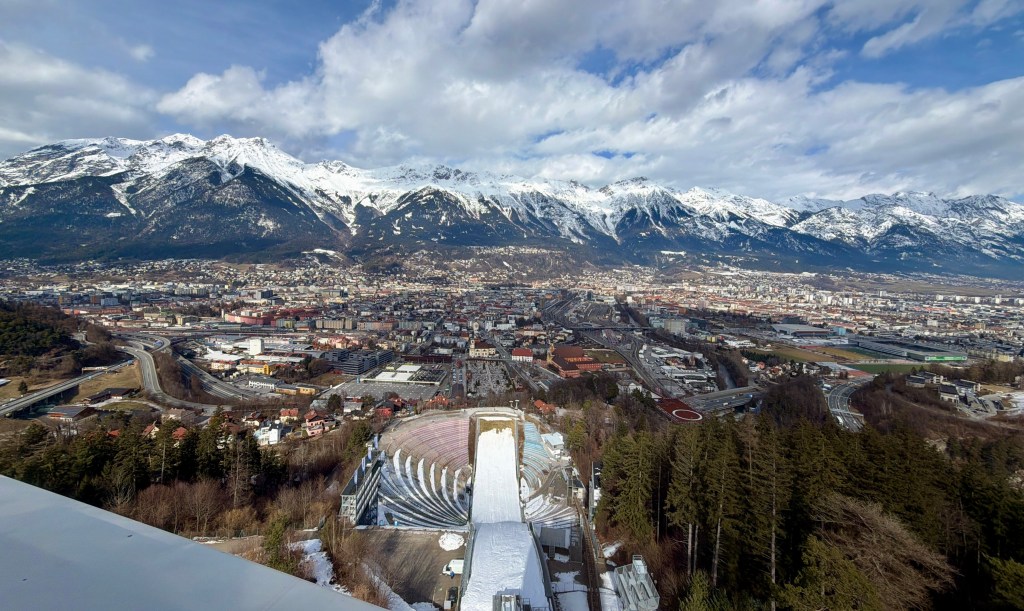
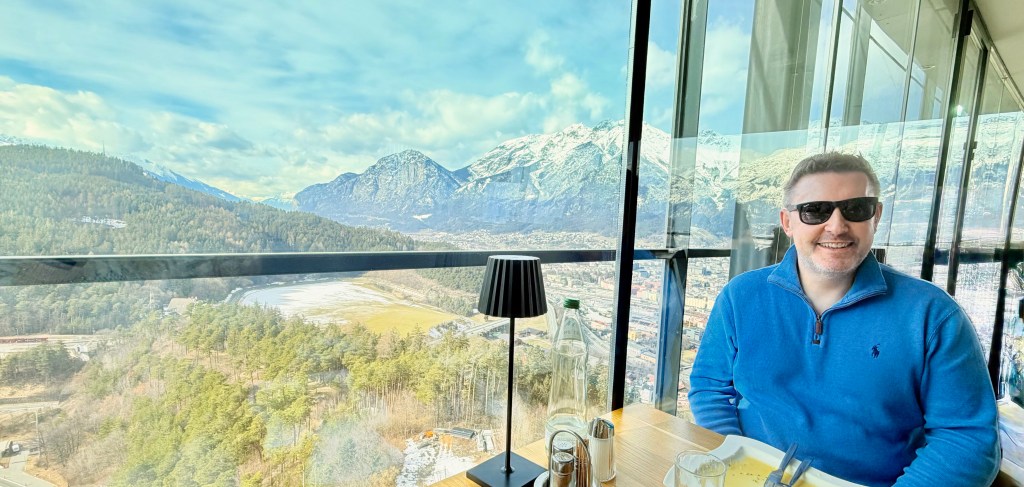
It’s reserved for ski jumping, but Innsbruck’s modern landmark has become a bit of an attraction for visitors like myself. It’s a great location for lots of different reasons: the views, stunning architecture, and the stunning panoramic cafe.

The entire facility, including the funicular, the tower lift, the panoramic cafe and the viewing terrace on the jump Tower, is open to the public daily from 10am to 5pm (winter) and 9am to 6pm (summer)

It’s a perfect place to take in panoramic views of Innsbruck. A dining experience that is very much about the view, just as much as the cuisine: it certainly was an unforgettable location for a spot of lunch.

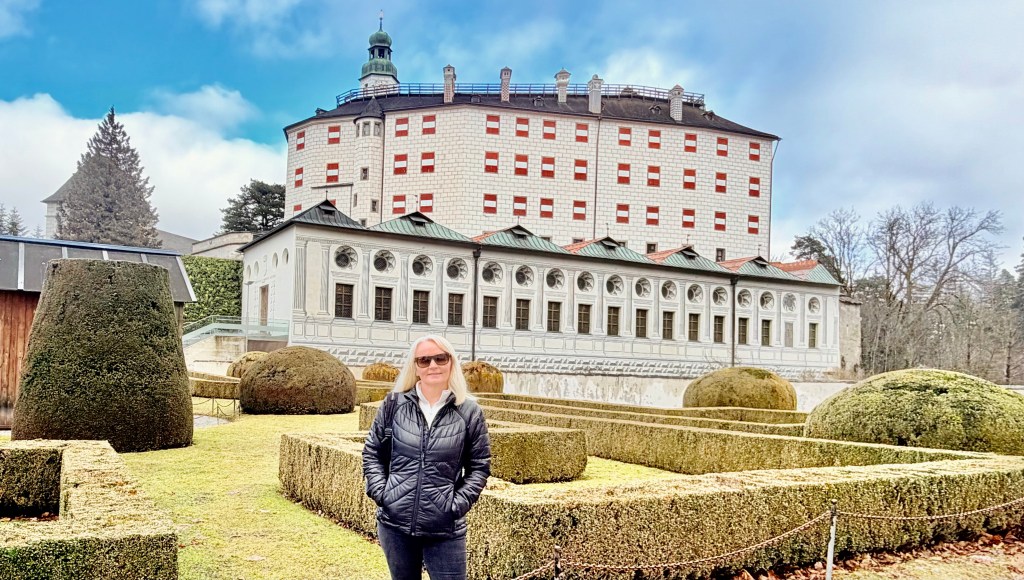
Schloss Ambras Castle

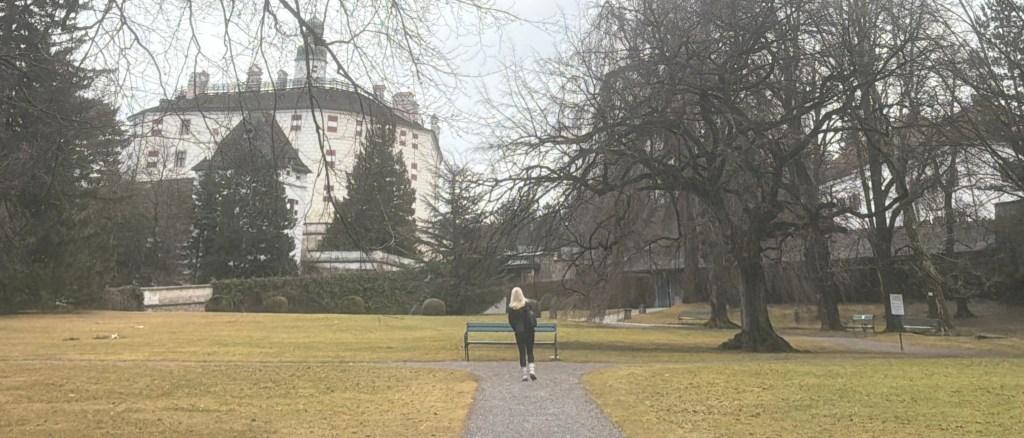
A Renaissance castle and Palace located in the hills above Innsbruck, built in the 16th Century on the site of an earlier castle built in the 10th century.

A sprawling park surrounds the castle and is a popular location with locals. The castle itself is now a federal museum of the Republic of Austria and has been extensively renovated since the early 1970s.

The castle itself is the site of the oldest established museum still in its original location. Today, it houses several exhibits charting the history of the Habsburg reign and the Austro-Hungarian Empire.

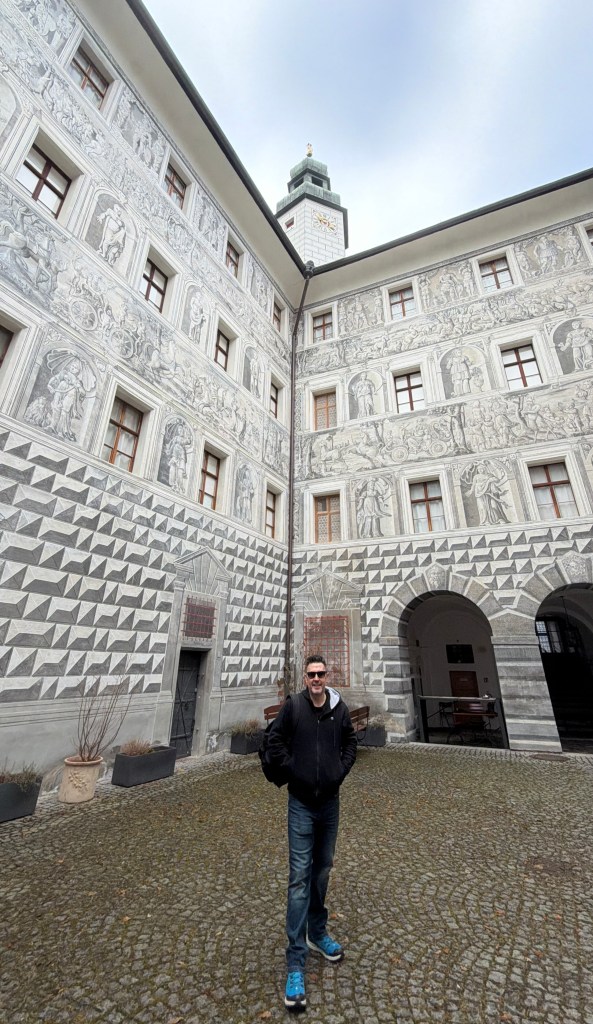
Nestled within the heart of the historic building, the inner courtyard stands as a testament to the artistry of the 16th century. Adorned between 1564 and 1567, its walls are graced with a stunning grey fresco applied to still-wet plaster. This remarkable technique has ensured the preservation of the intricate designs, making it one of the finest examples of its kind from that era.

Tram line 6 to Igls (Forest tram)

Embark on a delightful journey by boarding Tram Line 6, which takes you through a series of charming villages located just south of the city.

The tram, known as the ‘forest tram’ by locals, offers a captivating scenic route through the snow-blanketed alpine meadows of Innsbruck, all within the city limits. I wish that if only all public transport could provide such an experience.

As the tram gracefully climbs the Patscherkofel, it offers a captivating journey through picturesque rural landscapes. Quaint villages, with their warm and inviting charm, greet you at every turn, making the experience truly enchanting.

Nestled at the terminus of tram line 6 lies the enchanting village of Igls, a place steeped in Olympic glory. This charming village was the epicentre of thrilling downhill skiing events during the 1964 and 1976 Winter Olympics. Just a stone’s throw away, the Olympia Eiskanal echoes with the exhilarating speed of bobsleighs and toboggans, making Igls a must-visit for sports enthusiasts and history buffs alike.

Set amid stunning winter landscapes, the ski resort has become a special haven for families and novices alike. It offers an ideal blend of gentle slopes for beginners and serene trails for those seeking leisurely winter walks amid breathtaking scenery.

Shanghai a vibrant modernity which blends seamlessly with its rich traditional culture.

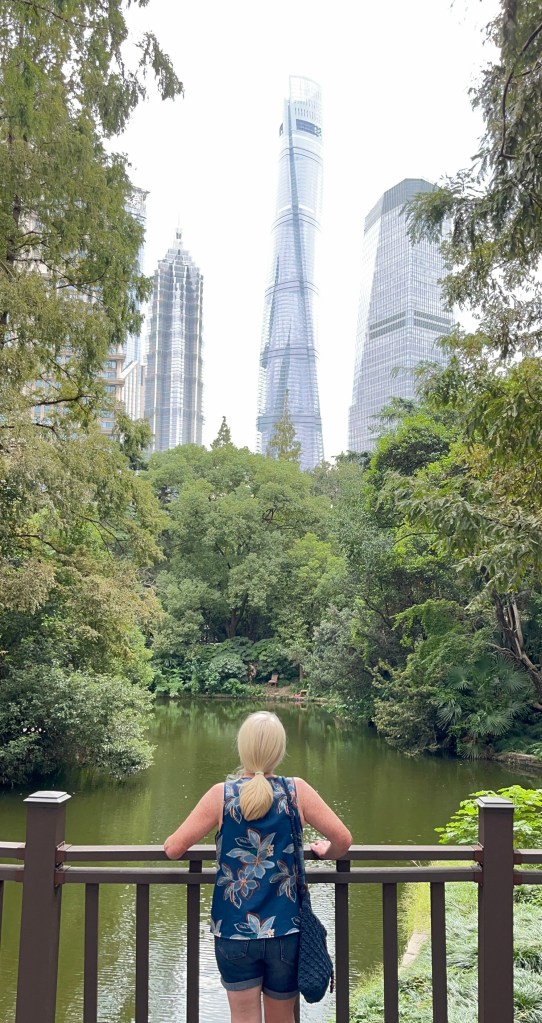
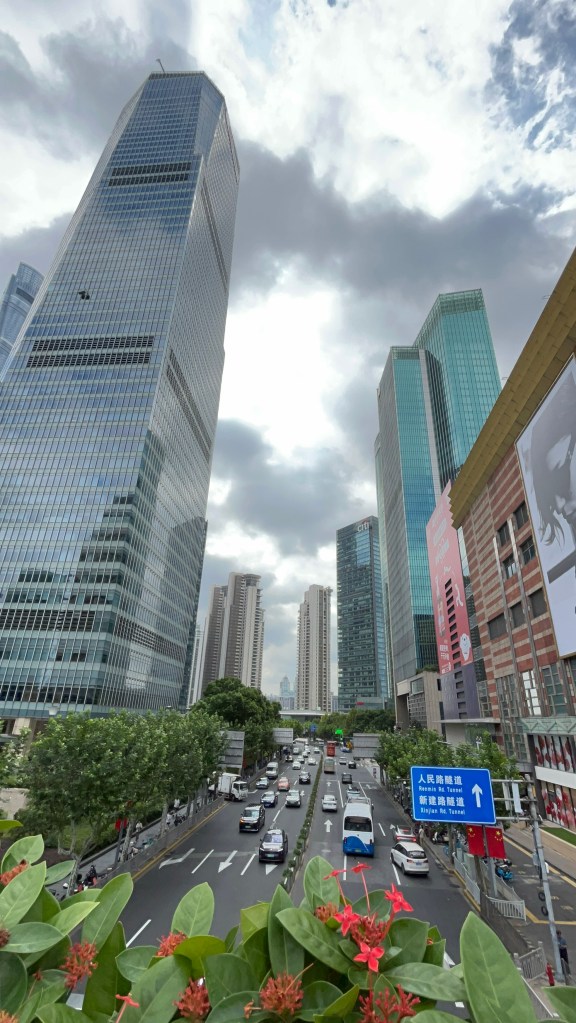
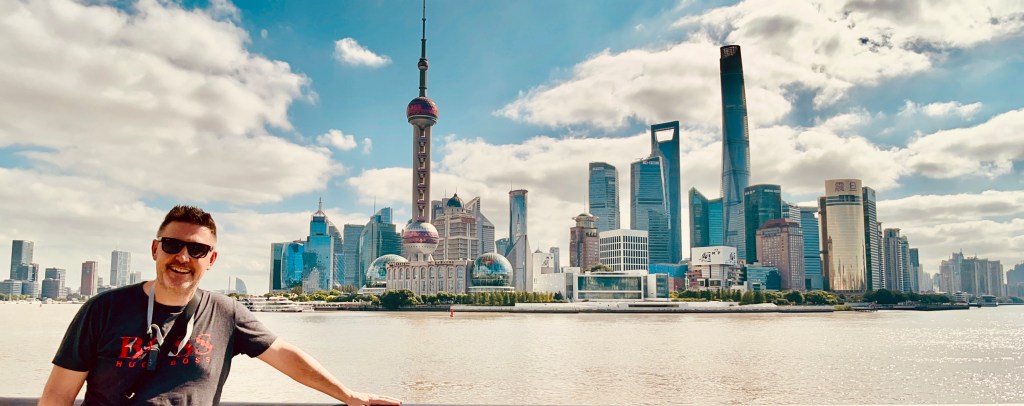
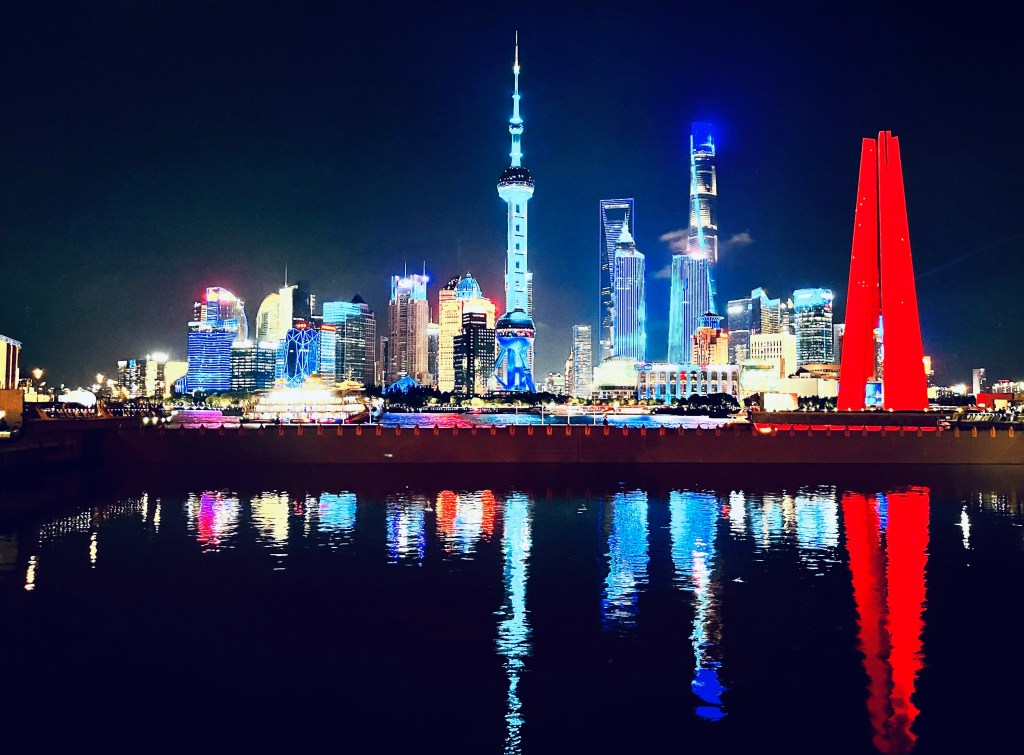
Shanghai, renowned for its striking modern skyline, is a city that beautifully blends a rich historical heritage with contemporary glamour. As a vibrant symbol of both tradition and innovation, it stands out as China’s most cosmopolitan city, showcasing the country’s dynamic spirit and diverse culture.

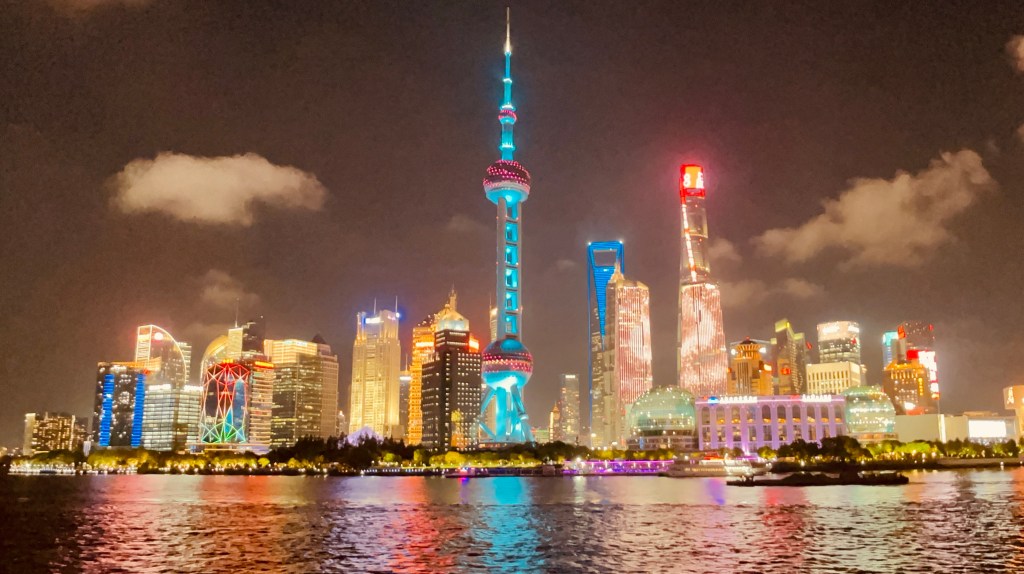
Shanghai is an incredible megacity that truly leaves a lasting impression. During our stay in the city centre, we were constantly awed by the breathtaking views of Pudong’s massive modern skyline. It’s a sight we found endlessly captivating, and I can understand how it can fill anyone with wonder.

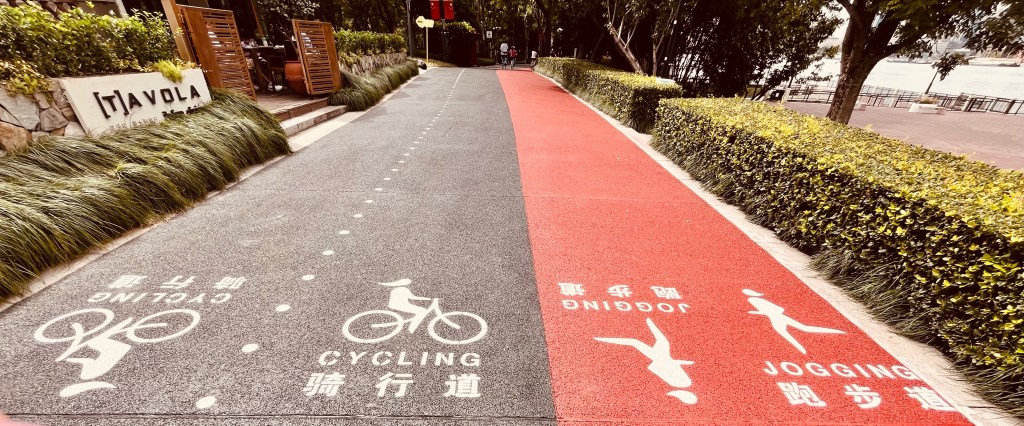
The city is quite accessible, particularly in the city centre where we stayed, which offers a pleasant environment for both pedestrians and cyclists due to its well-maintained pavements. Additionally, taxis are readily available and affordable, while the underground system is extensive and efficient.

The city blends history and modernity, with rural traditions converging with urban development. Its diverse architectural and cultural landscape has been shaped by a rich multicultural history influenced by British, French, and American concessions.

Shanghai is a dynamic metropolis brimming with life, where a rich tapestry of cultural influences converges to create a truly unique atmosphere.

This bustling city not only showcases its distinct character but also beautifully embodies the essence of Chinese identity, making it a captivating destination for anyone seeking to explore the heart of modern China.

One of the most pleasantly surprising aspects of Shanghai is the city’s surprisingly relaxed atmosphere, especially given its vast size. Visitors can enjoy exploring the delightful parks and gardens or find solace in a charming café, much like we did, while observing the dynamic city life.

Lujiazui Financial district

Shanghai’s iconic financial district offers several world-class observation decks providing breathtaking views of the city.

Shanghai Tower

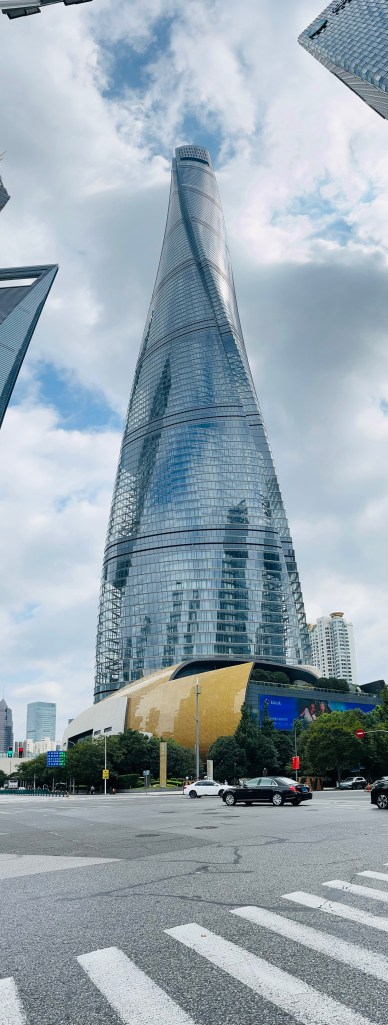
The Shanghai Tower, soaring to an impressive height of over 2,000 feet, stands as China’s tallest skyscraper and a striking symbol of modern architecture. This iconic landmark is a must-visit attraction in Shanghai, offering breathtaking views and a glimpse into the city’s vibrant skyline.

The spiral-shaped tower features two observation decks offering stunning views, a vibrant shopping centre, a museum showcasing fascinating exhibits, a variety of restaurants, and a luxurious 5-star hotel, making it a multifunctional destination for visitors.

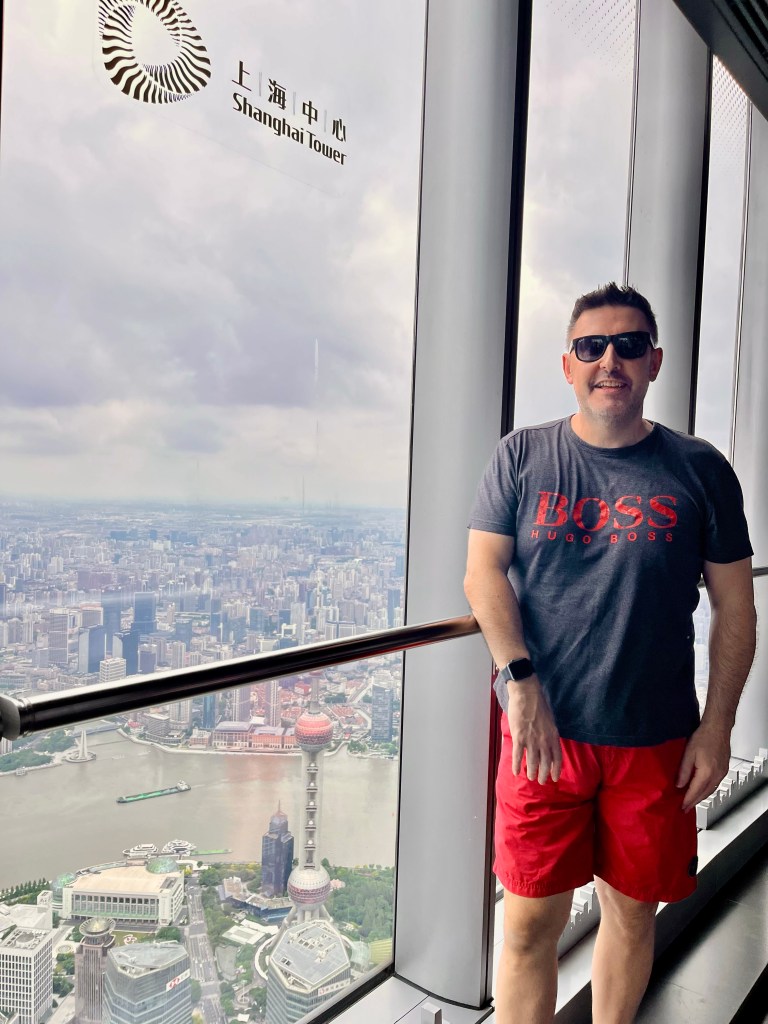
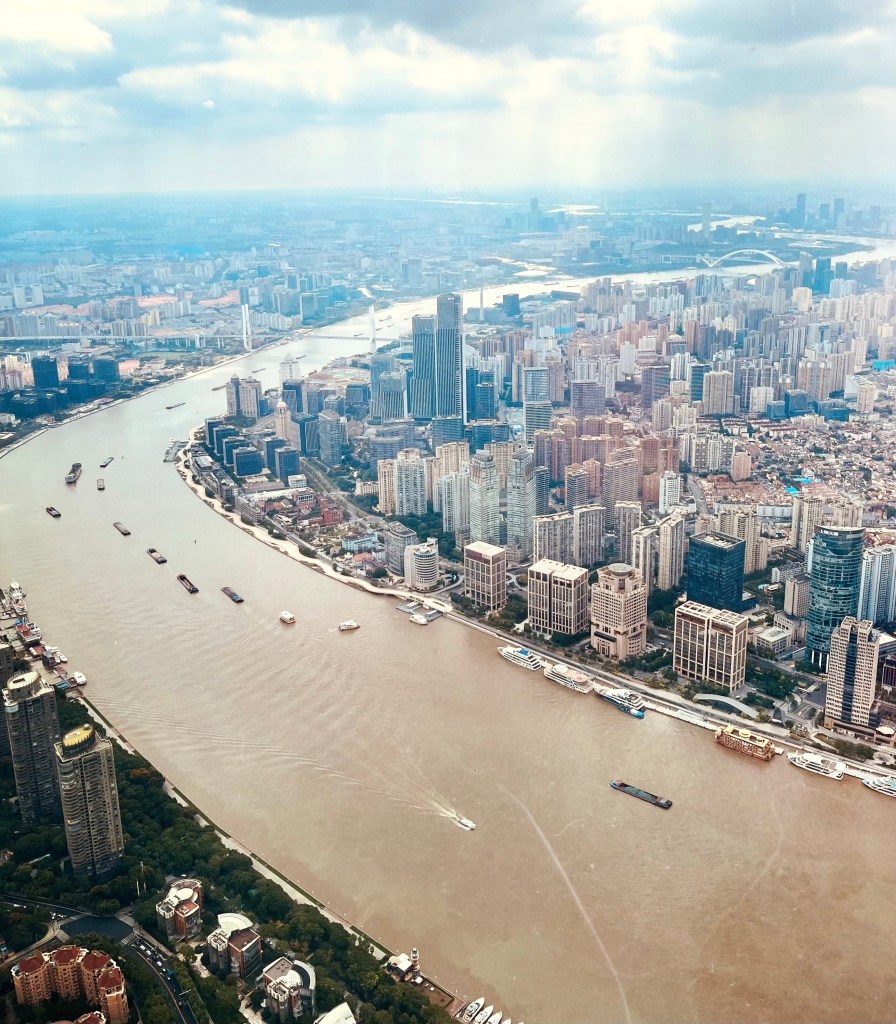
To reach the observation deck, we rode the world’s fastest elevator at 18 meters per second. As we ascended, anticipation grew, and we were soon rewarded with breathtaking views of Shanghai’s vibrant skyline, rivers, and bustling streets.

There’s something truly exhilarating about visiting an observation deck! Sure, it might be a classic tourist activity, but the breathtaking views are absolutely worth it. Standing high above the city, I can soak in the sprawling skyline and get a real sense of the urban landscape. It’s an experience that never fails to spark my enthusiasm

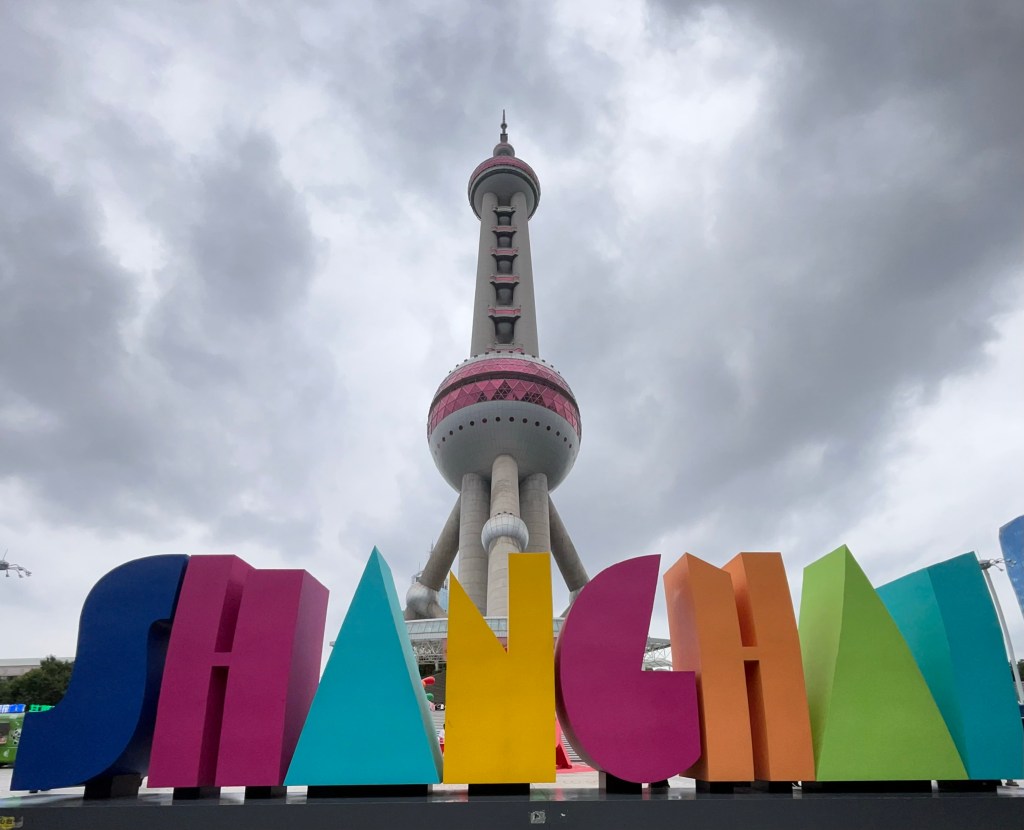
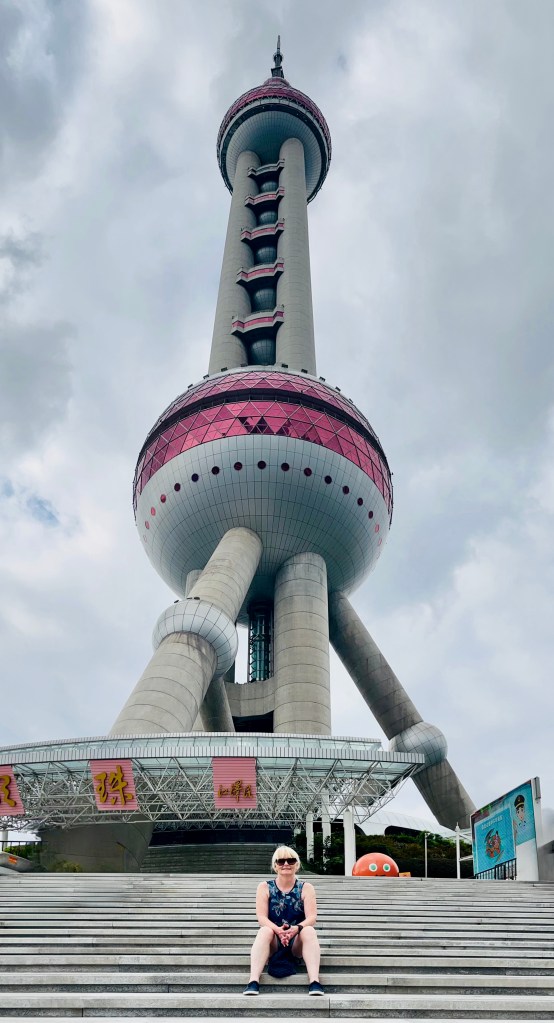
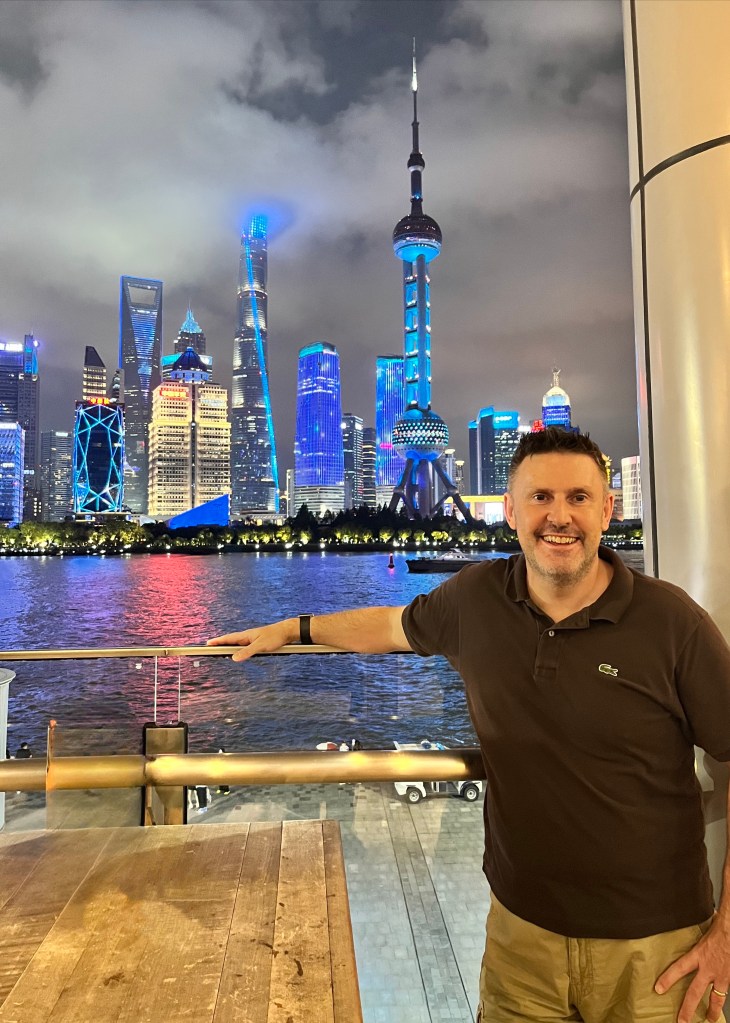
Oriental Pearl Tower

The structure, completed in 1994, was recognised as the tallest building in China until the completion of the Shanghai Tower in 2007.

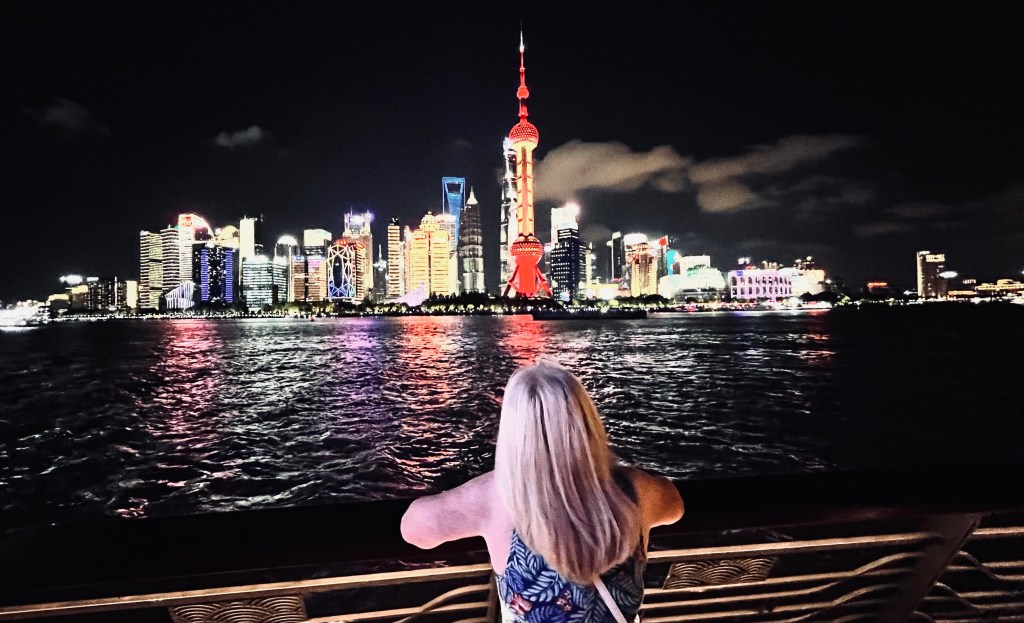
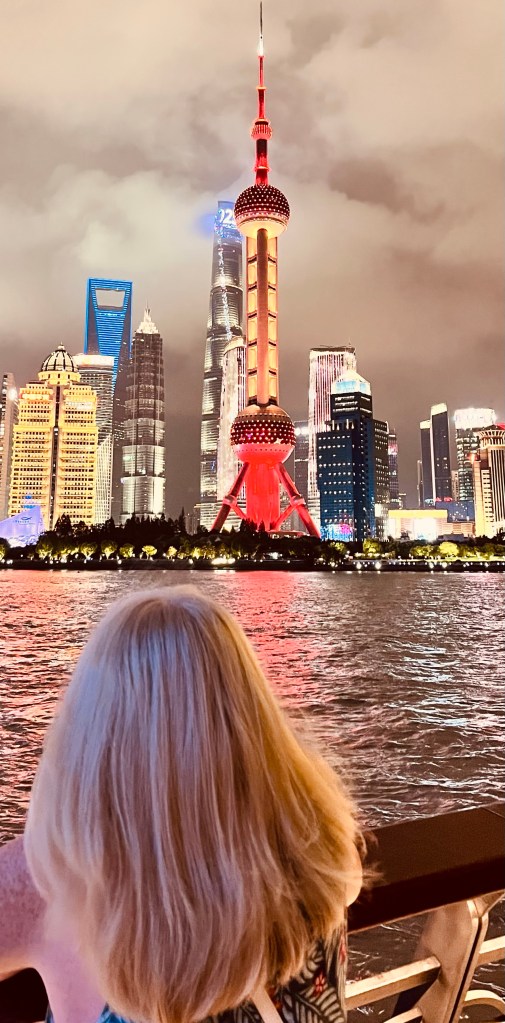
The Oriental Pearl Tower is even more enchanting at night.

The tower boasts a modern design that highlights its distinctive architecture and remarkable height. It is enhanced by 15 observation decks, collectively contributing to its status as a cultural landmark in Shanghai. This structure is widely regarded as one of the most recognisable buildings in the city.

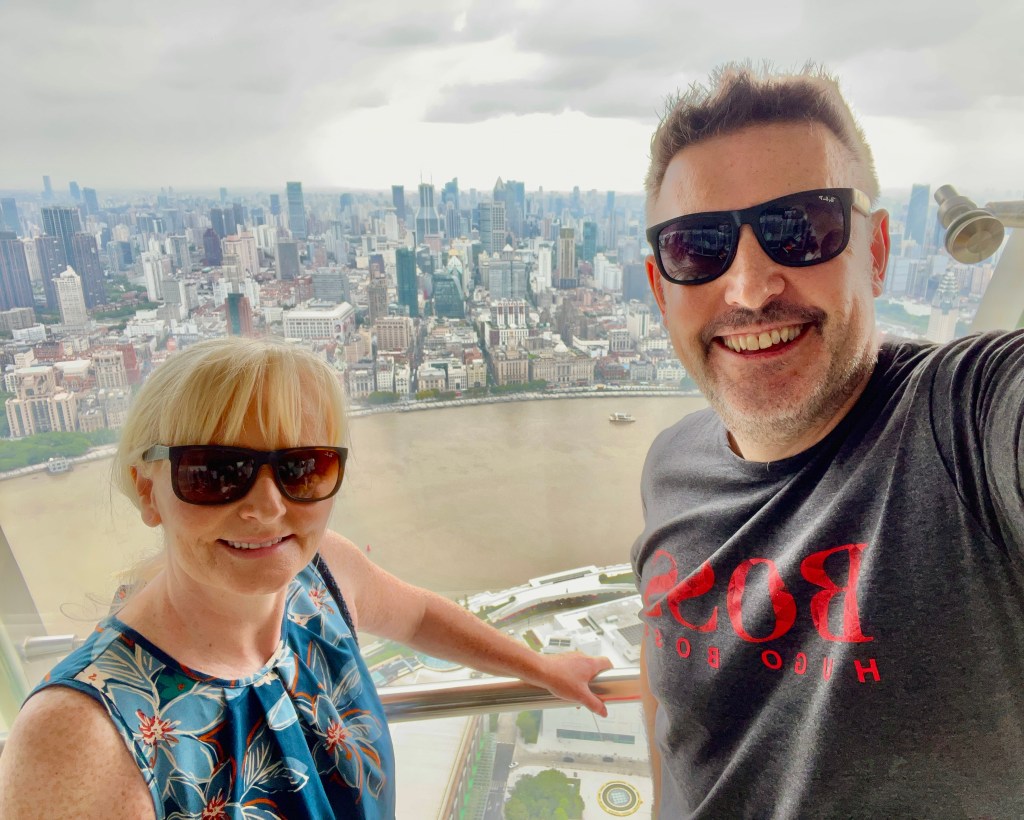
This historic “skyscraper” might not rival the tallest buildings in Shanghai, but its prime riverfront location offers captivating views that invite visitors to connect with the city’s vibrant skyline. Unlike the distant perspective from the Shanghai Tower, it creates a more intimate engagement with the city’s dynamic energy and architectural elegance.

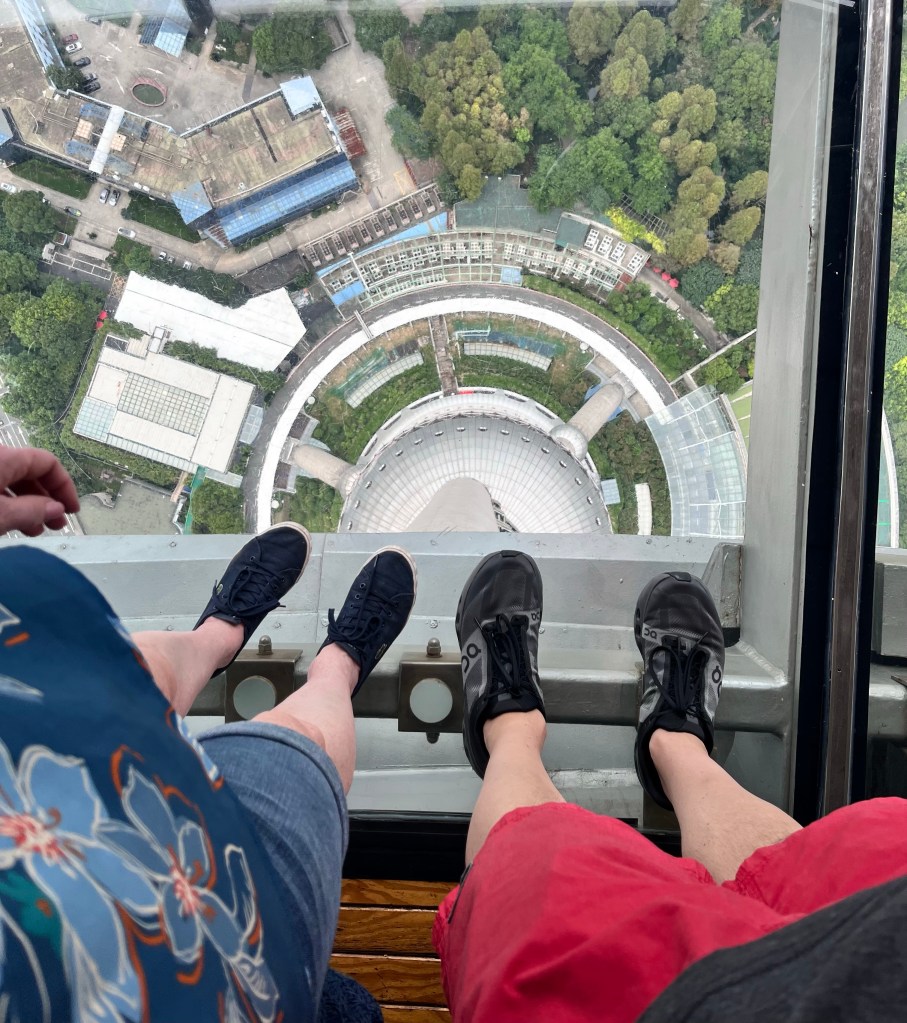
The Oriental Pearl Tower offers much more than just being a tall building. Visitors can explore a museum, enjoy a multimedia show, walk on a glass floor, experience a roller coaster, and dine in a revolving restaurant. The glass floor is amusing, letting you see right down to the ground below and adding an exciting twist to your visit!

In my opinion, having visited both the Oriental Pearl Tower and the Shanghai Tower on the same day, I found my experience at the Pearl Tower more enjoyable. The visitor engagement there seemed more immersive than at the Shanghai Tower, which primarily features an observation deck. The Pearl Tower offers a broader range of attractions that enrich the overall visitor experience.

Shanghai waterfront

A stunning riverside promenade where we uncovered iconic attractions and unforgettable experiences, all while enjoying breathtaking vistas of the city.

The Bund

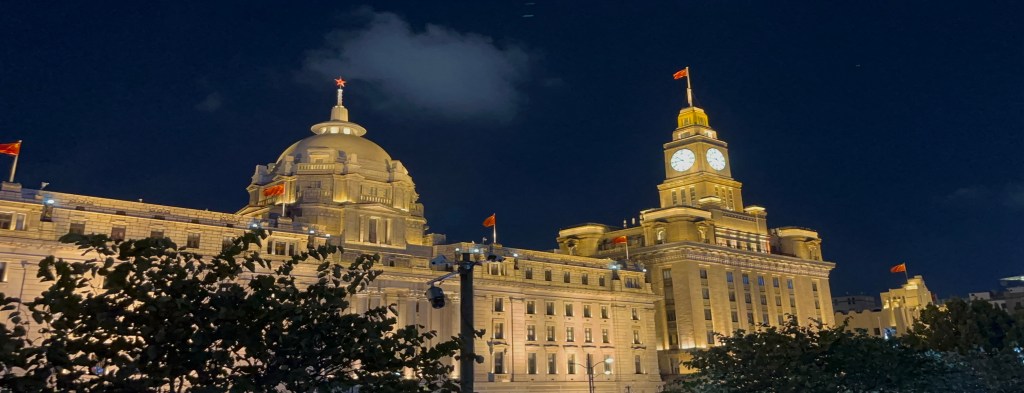
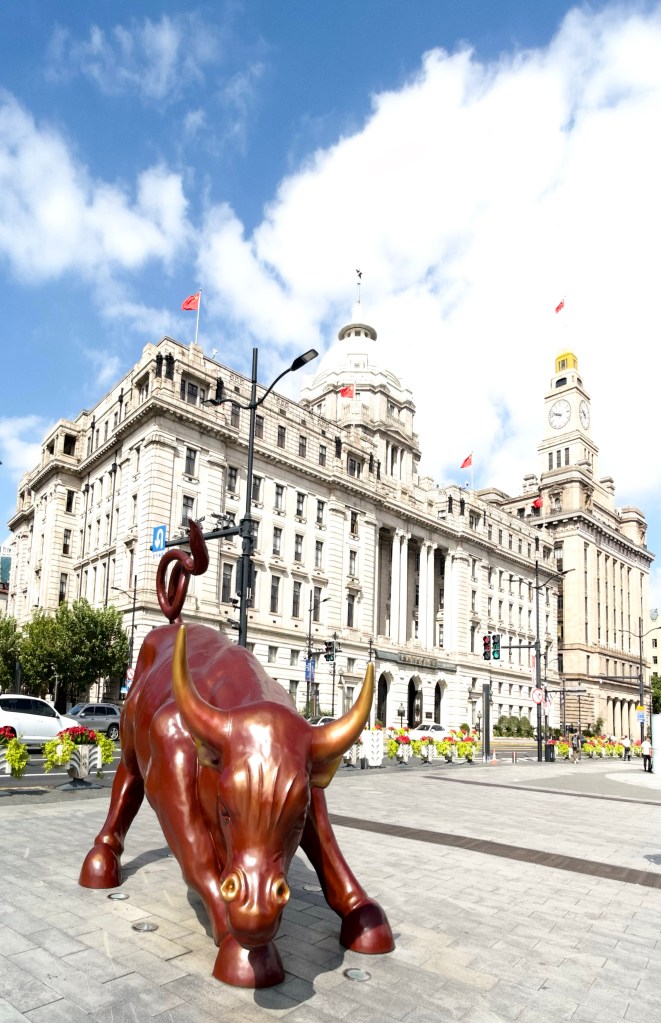
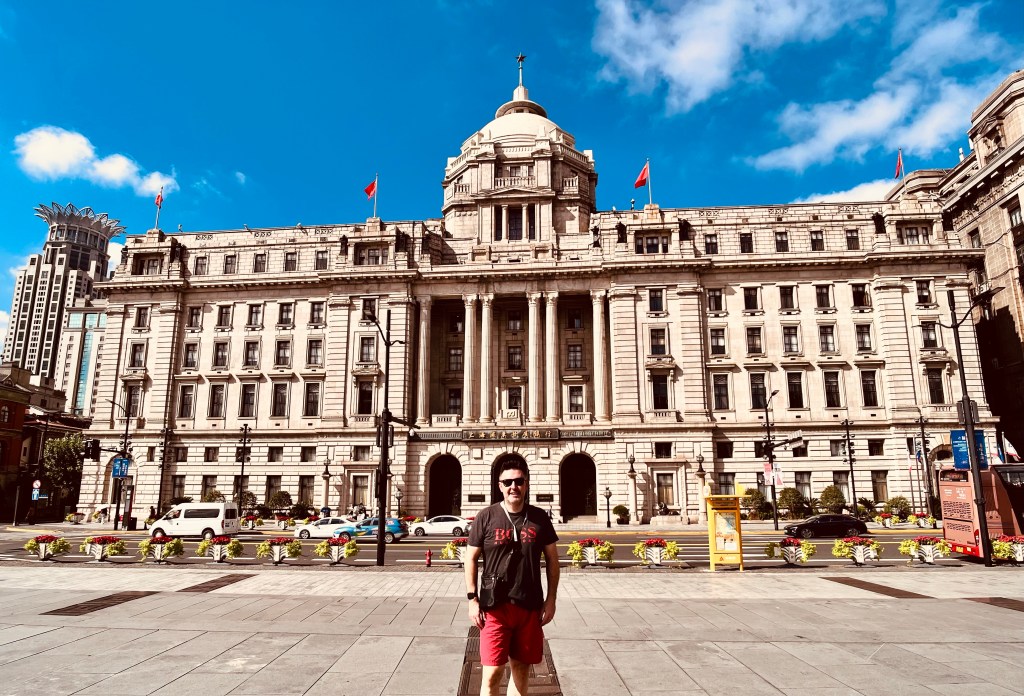
The Bund is a historically significant waterfront area in Shanghai, renowned for its impressive colonial architecture and picturesque views of the Pudong skyline.

The stark contrast between the historic charm of The Bund and the modern skyline of Pudong is strikingly pronounced. The Bund, with its elegant colonial architecture and the gentle flow of the Huangpu River, evokes a sense of nostalgia and timelessness.

In sharp contrast, Pudong boasts futuristic skyscrapers that pierce the sky, symbolising ambition and progress. This juxtaposition of old-world elegance and cutting-edge modernity paints a vivid picture of Shanghai’s dynamic evolution.

The Bund is a beautiful waterfront promenade featuring 52 buildings with diverse architectural styles, including Baroque, Gothic, Romanesque, and Renaissance. Often regarded as an open-air museum of international architecture, it offers visitors a glimpse into the city’s rich historical and cultural heritage.

The area developed after the Opium War of 1842, symbolising Shanghai’s history as a global financial centre. While its Western influences were removed under communist control, it has since been revitalised as China’s global confidence has grown.

Today, it stands proudly as a renowned historical and cultural centre of Shanghai, celebrated for its stunningly beautiful, intricately designed buildings, densely clustered together. Each structure tells a story, showcasing a captivating blend of architectural styles that reflect the city’s rich heritage and vibrant character.

The North Bund offers a breathtaking view at night.

A great spot to stretch our legs in Shanghai, the riverside promenade offers stunning views of the Pudong skyline and a more relaxed vibe compared to the neighbouring Bund.

It offered breathtaking vistas and, by Chinese standards, was remarkably secluded. The ample open space was adorned with thoughtful landscaping, featuring tranquil rest points strategically placed at regular intervals along the path.

The riverside area has undergone a significant transformation in recent years, evolving into a vibrant modern hub. With breathtaking views of the Pudong skyline, it offers a tranquil atmosphere that contrasts with the busier historical location of the neighbouring Bund. The north Bund successfully integrates contemporary architecture with open pathways, creating an inviting space for residents and visitors alike.

During our stay in Shanghai, we were fortunate to have our hotel conveniently located near this area, allowing us to explore it each night of our visit. Additionally, the cruise terminal is also nearby, making it an ideal spot for those interested in enjoying a river cruise, as we did during our stay.

Haungpu River cruise

An opportunity not to be missed, one of the best ways to admire Shanghai’s classic skyline views

Experiencing the city from a new viewpoint was truly enlightening. The Huangpu River, often called the mother river of Shanghai, plays a crucial role in shaping the city’s identity. Its banks are lined with renowned attractions, luxurious hotels, and significant financial buildings, all of which contribute to the vibrant character of Shanghai.

Cruise options can vary in size, capacity, decor, and amenities. There are many different-length cruises; we opted for the classic 60-minute cruise, and we were advised to take the nighttime cruise, when the river is veiled in sparkling neon lights on both sides.

During a relaxing river cruise, we can admire stunning architectural landmarks, including the Shanghai World Financial Centre and the Oriental Pearl Tower, both of which captivate us. The experience is further enhanced as we sit comfortably, sipping on a beer, making for an enjoyable evening.

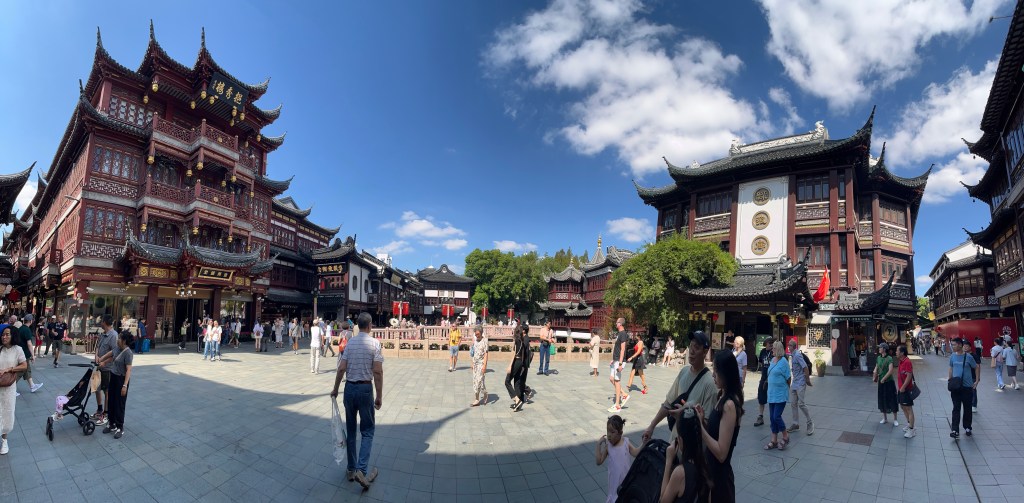
Yuyuan Garden & Bazaar

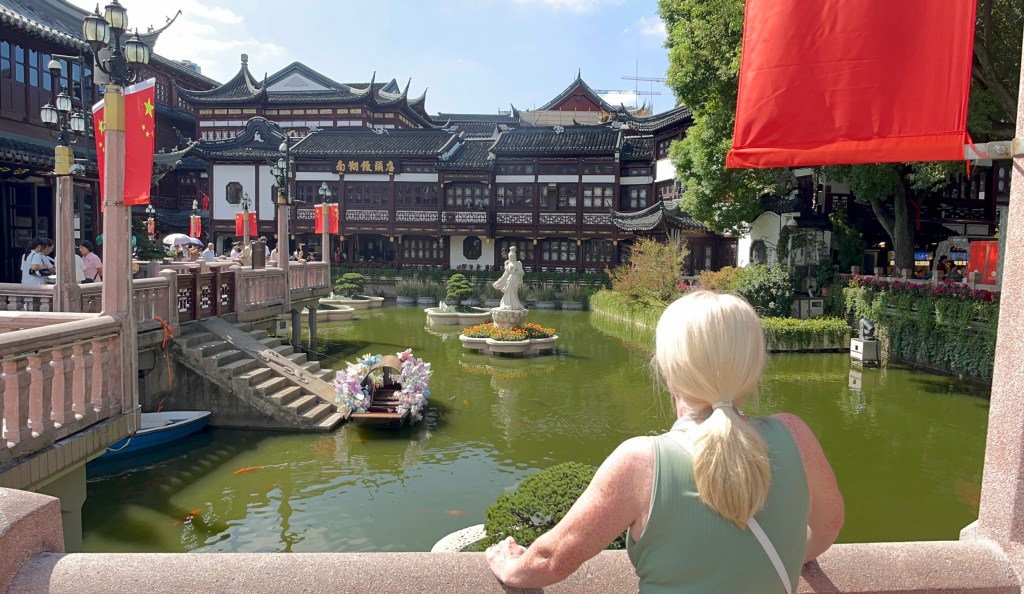
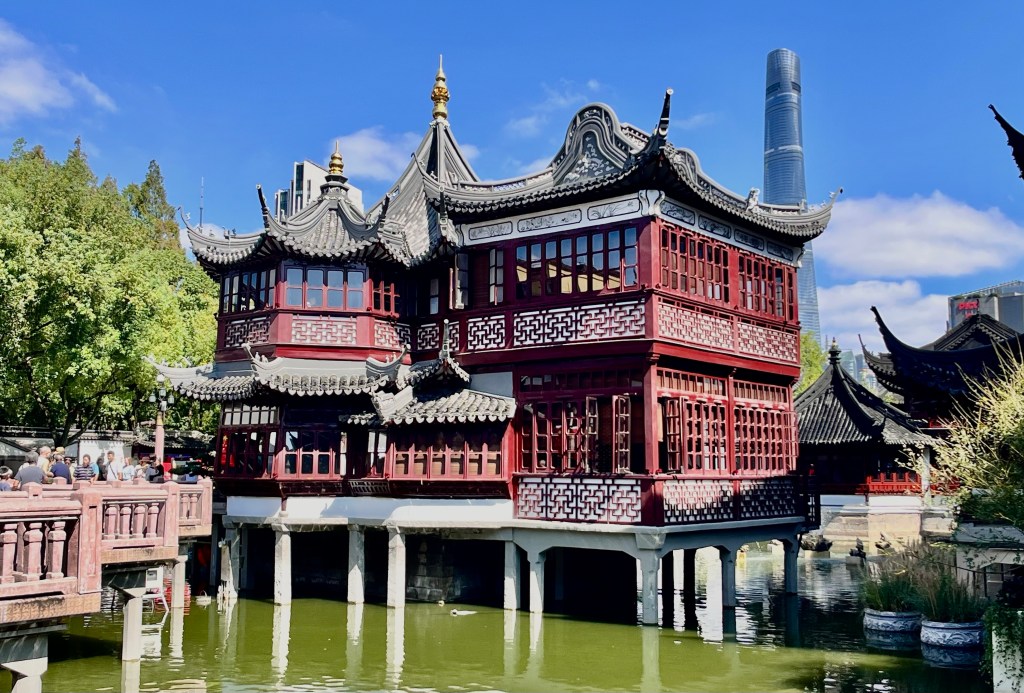
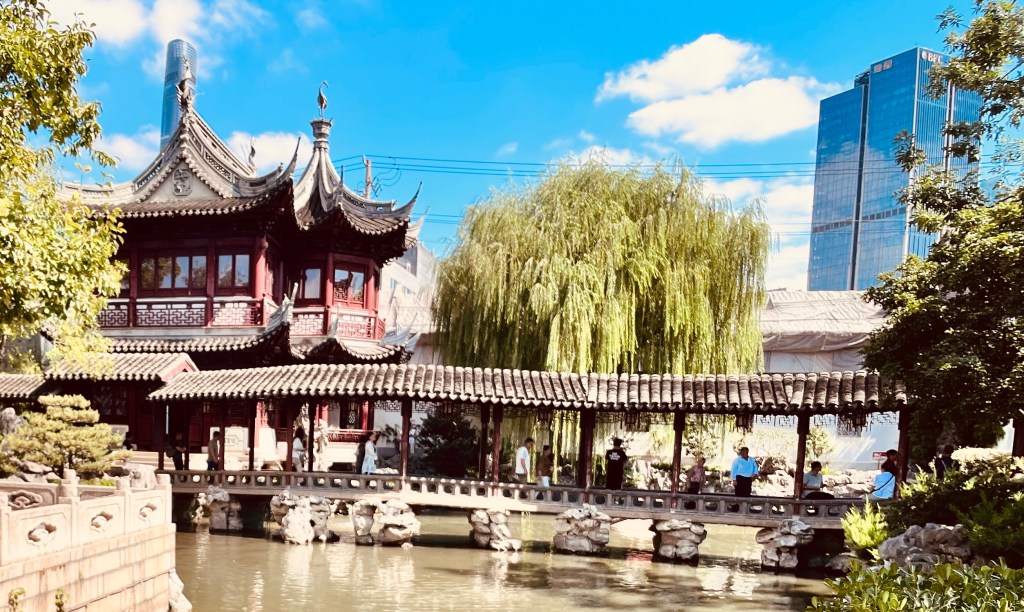
This garden, established over 400 years ago during the Ming Dynasty, is renowned for its beautiful scenery and artistic landscapes, making it a highly regarded destination for visitors.

Yu Garden invites us to explore the intricate beauty of traditional Chinese garden design, showcasing the exquisite architectural styles of the Ming Dynasty. With its harmoniously arranged elements, serene ponds, and ornate pavilions, this enchanting oasis provides a captivating journey through history and artistry.

Yu Gardens, located in the heart of Shanghai’s old town, offers a captivating experience for visitors. This historic site appeals to a wide range of interests, making it an ideal destination for history enthusiasts, photography lovers, and those exploring cultural heritage.

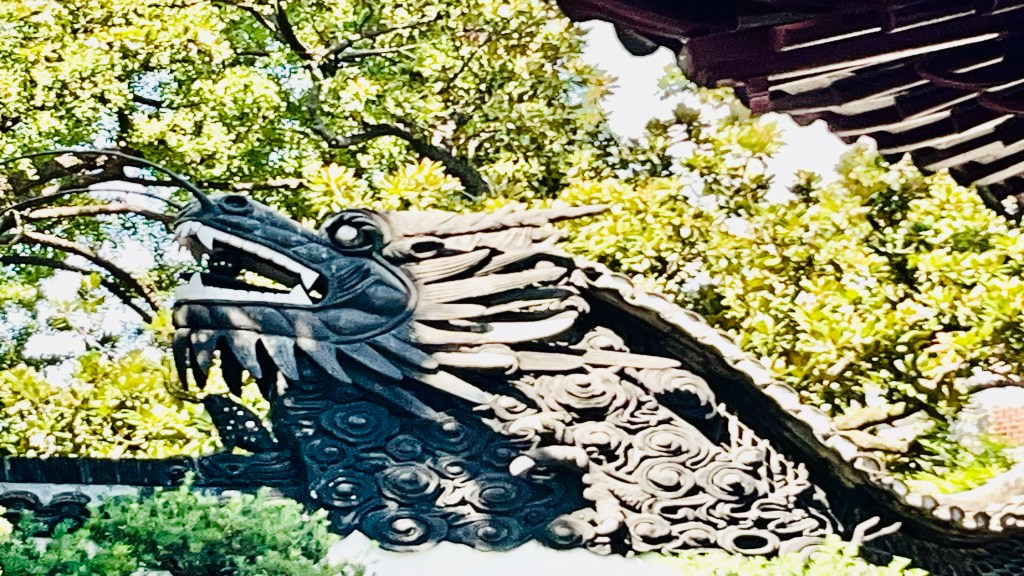
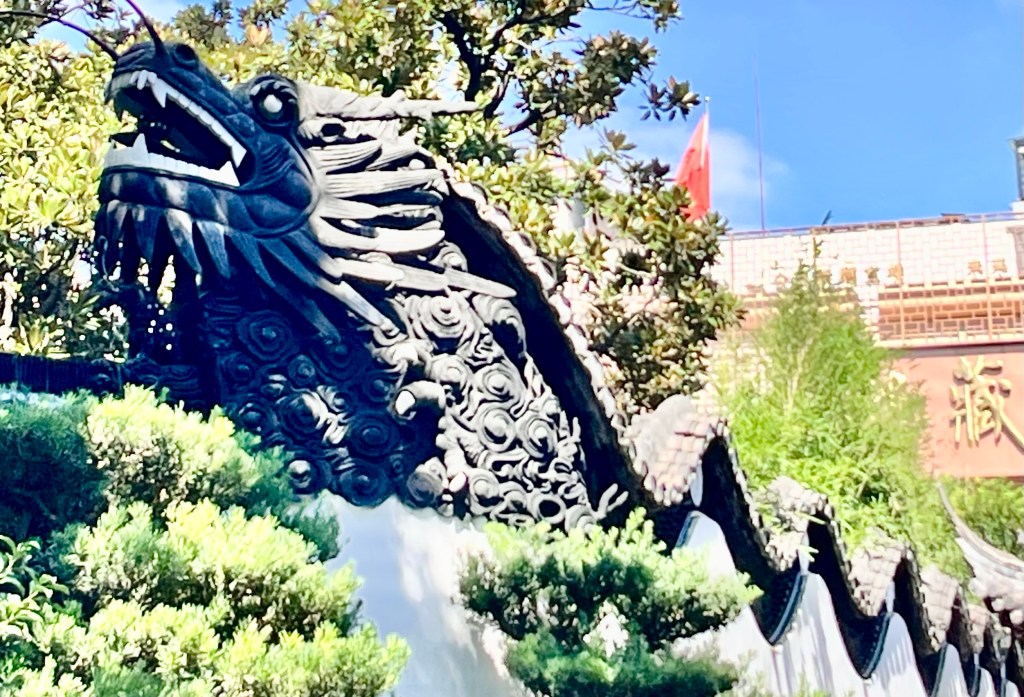
The site spans 5 acres, with one of its most captivating features being the Dragon Walls. These meticulously designed walls not only serve a practical purpose by elegantly dividing various garden spaces but also enhance the visual allure of the surroundings. With their enchanting designs and intricate details, the Dragon Walls create a striking focal point.

French Concession

An area which was administered by the French from 1849 to 1943. Known for its European architecture and tree-lined streets

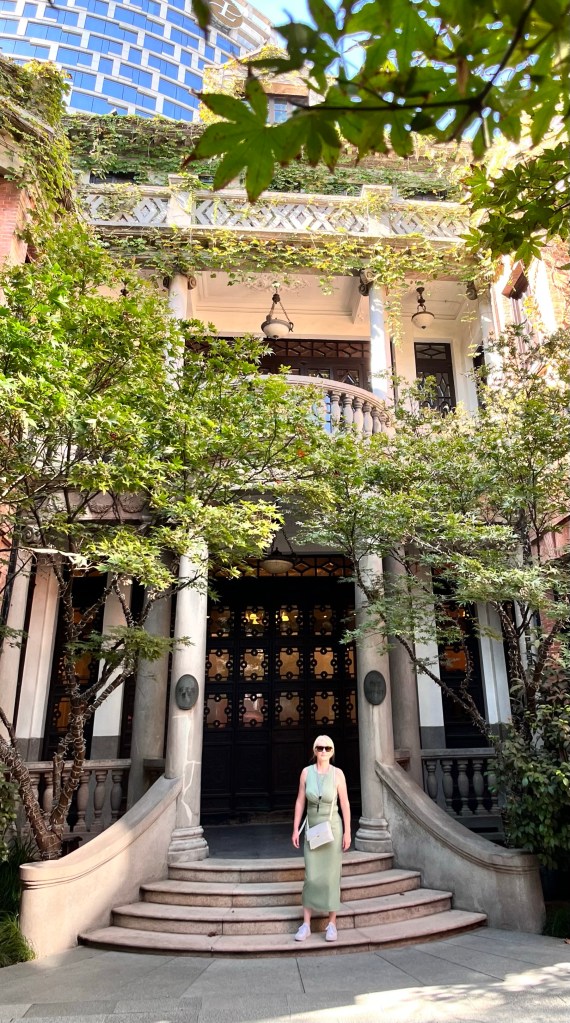
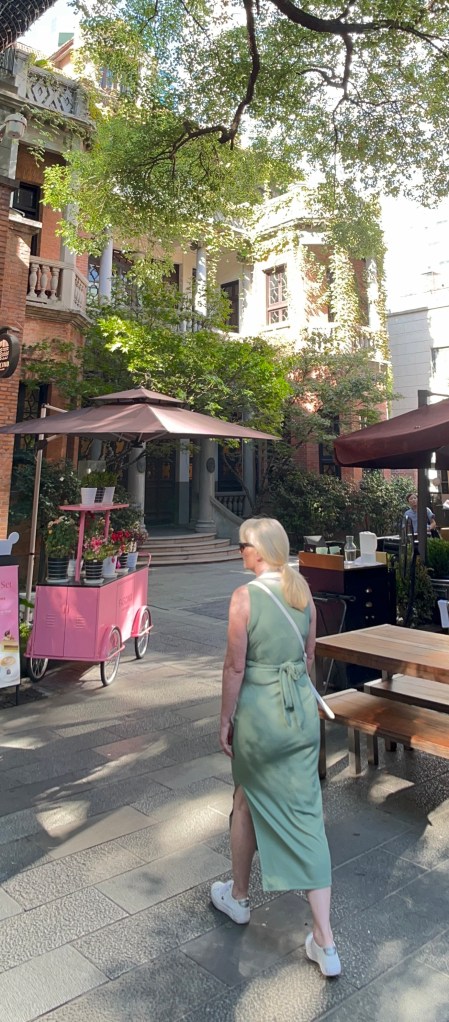
Today, it has become a popular tourist destination, attracting visitors with its charming boutiques, inviting cafes, vibrant galleries, and well-preserved architectural buildings. The area offers an interesting blend of architecture to explore, including charming French-style villas and Art Deco buildings.

Although the area is dotted with charming Western-style cafes and boutique shops, accompanied by a noticeable price increase, I found these elements didn’t quite capture my interest. Their appeal felt a bit superficial, lacking the depth and character I often seek in a vibrant atmosphere.

Nanjinglu Street

Shanghai’s premier shopping street is a lively 5-kilometre (3.2-mile) stretch filled with energy. Home to over 600 diverse businesses, it features a mix of traditional shops, modern boutiques, and bustling markets, making it a shopper’s paradise.

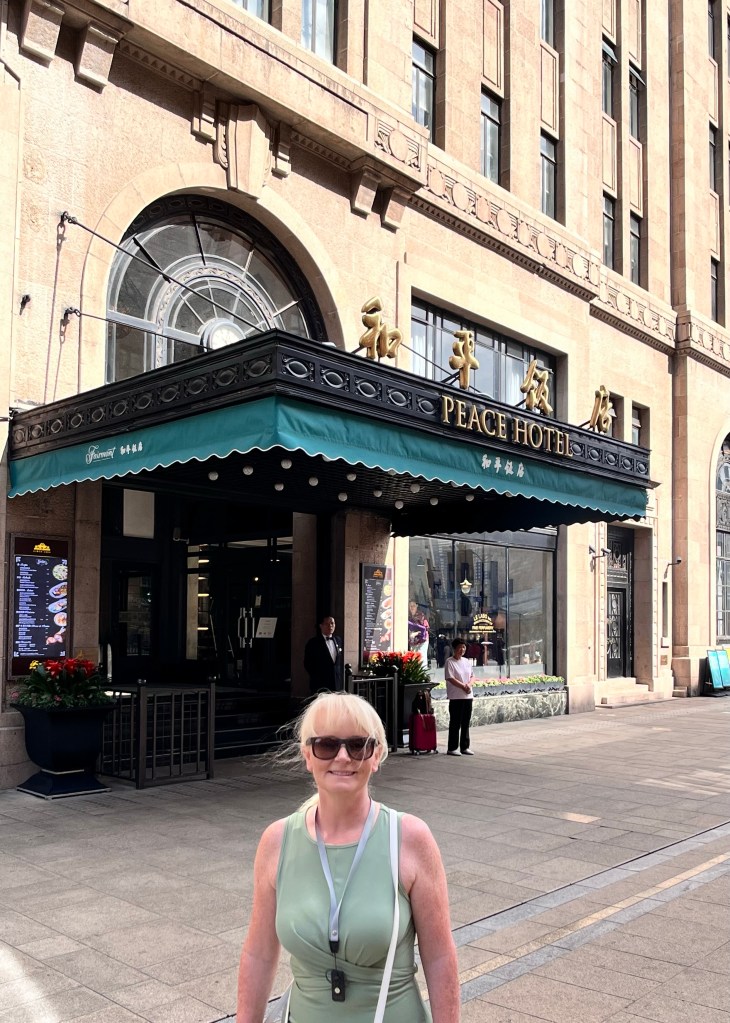
At the beginning of Nanjinglu Street, located right on the Bund, stands The Peace Hotel, a boutique hotel designed in the Art Deco style and constructed in 1929. Renowned as one of the most famous hotels in Shanghai, it has a storied history and is currently part of the Fairmont hotel group.

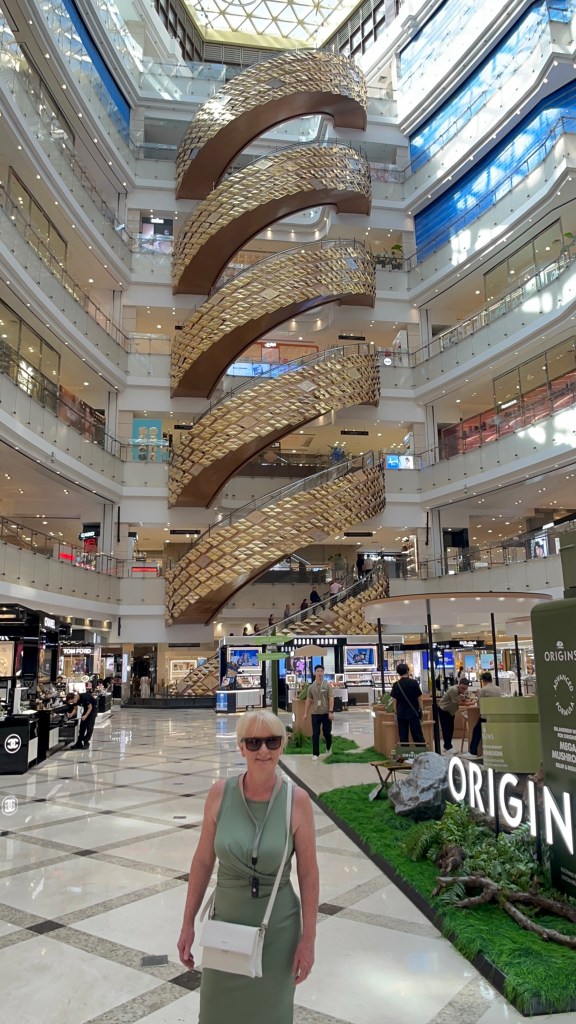
We also discovered a remarkable array of shops, particularly the striking eight-storey New World Dawan Department Store. Its stylish interior boasts a distinctive spiral escalator, reputed to be the largest in the world. This department store stands as a Chinese counterpart to Harrods, offering an equally luxurious shopping experience, complete with an eclectic mix of high-end brands.

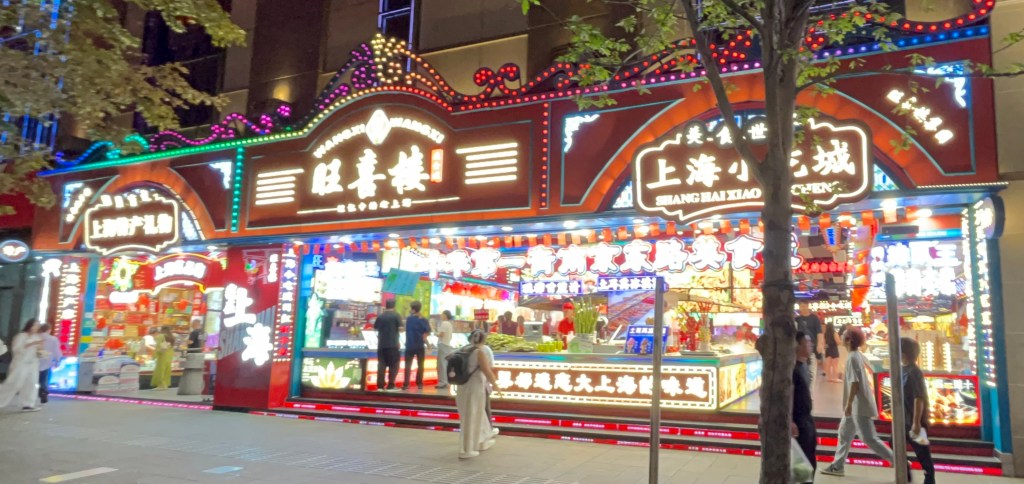
We had the opportunity to visit again in the evening, and the atmosphere was enhanced by brightly illuminated shopfronts that drew the attention of both locals and tourists. This time of day offers a more lively experience than the daytime, showcasing a vibrant scene that emphasises the diverse retail options.

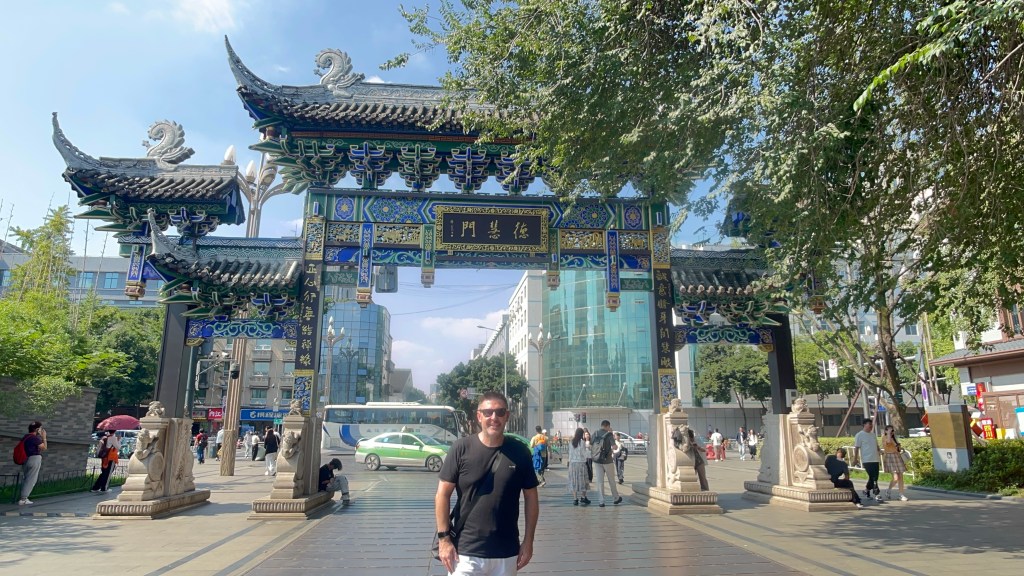
Uncovering Chengdu and a Cruise on the Yangtze River

Chengdu can be reached from Chongqing, which is the final destination of the river cruise. Chengdu may not be located on the Yangtze River, but it promises an exciting blend of experiences.

Several cruise companies offer exciting itineraries that include a stop in Chengdu, allowing travellers to experience the charming local culture and meet the famous pandas. During our memorable 18-night journey from Shanghai to Beijing, we enjoyed a scenic river cruise with enriching stops, making it a well-rounded exploration of this incredible region.

Our journey was a thrilling adventure, embracing the wonders of planes, boats, trains, and automobiles. We soared from Shanghai to Yichang Airport, then journeyed by car to the river, where we boarded a ship and cruised gracefully down the majestic Yangtze River to Chongqing, before hopping on a speedy bullet train to Chengdu.

The journey promises to be incredible, filled with excitement and a hint of exhaustion as we look forward to travelling through the air, on land, and on water. We can’t wait to experience everything that lies ahead!

To truly understand a country, we must immerse ourselves in its culture and experiences. While it may be tempting to take the easy route, genuine firsthand experiences offer the most profound fulfilment. Seeking out these moments opens us to life’s rich tapestry.

Chengdu

Before my visit, I only associated Chengdu with pandas. However, I quickly discovered that this vibrant city has so much more to offer. Its relaxed atmosphere, rich culture, and mouthwatering cuisine captivated me. And, of course, the Chengdu Research Base of Giant Panda Breeding is a must-see!

Chengdu Research Base of Giant Panda Breeding.

If you’re interested in experiencing the majesty of a giant panda up close, this is the ideal location for you. Situated just 6.2 miles north of Chengdu, the base is dedicated to the conservation of this remarkable species and its diminishing habitat.

The diverse landscapes of Sichuan’s northern mountain ranges, including bamboo forests, constructed habitats, rocky terrains, caves, and rivers, provide a suitable environment for the natural roaming of giant pandas

The diligent efforts and conservation initiatives being undertaken to recreate this environment are poised to play a crucial role in significantly advancing our progress toward reducing the pandas’ status on the endangered species list in the near future.

I typically have reservations about animals kept in captivity; however, I observed that the pandas in this facility have access to a significantly larger habitat than those in traditional zoos. Nonetheless, I felt that the centre operated more as a tourist attraction than a dedicated animal conservation facility, particularly given the large number of visitors, including me.

Nonetheless, the giant panda is classified as endangered. Since its establishment in 1987, the centre has been a key player in conservation, starting with six rescued pandas. By 2008, it achieved 124 successful births and maintained a captive population of 83, significantly contributing to panda reproduction research and reinvesting profits into global conservation partnerships.

Tianfu Square

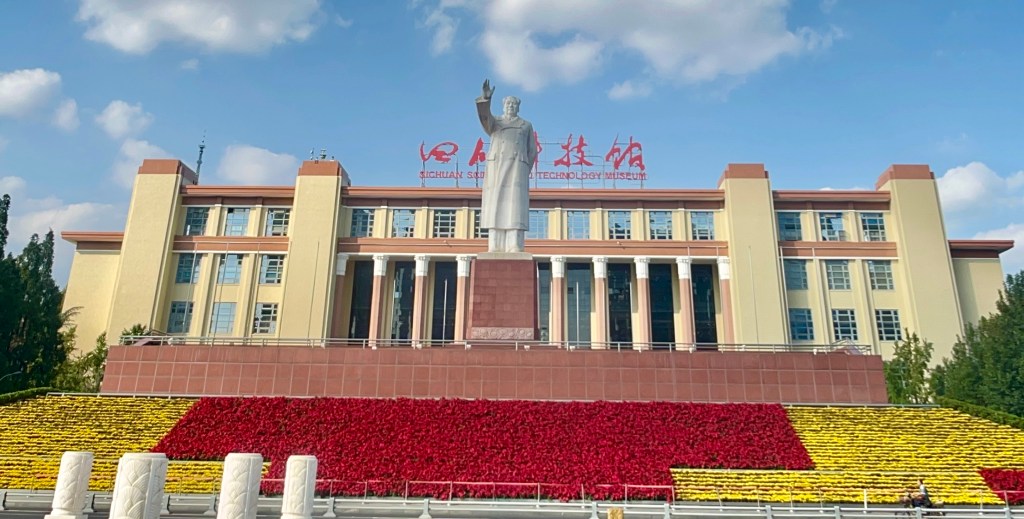
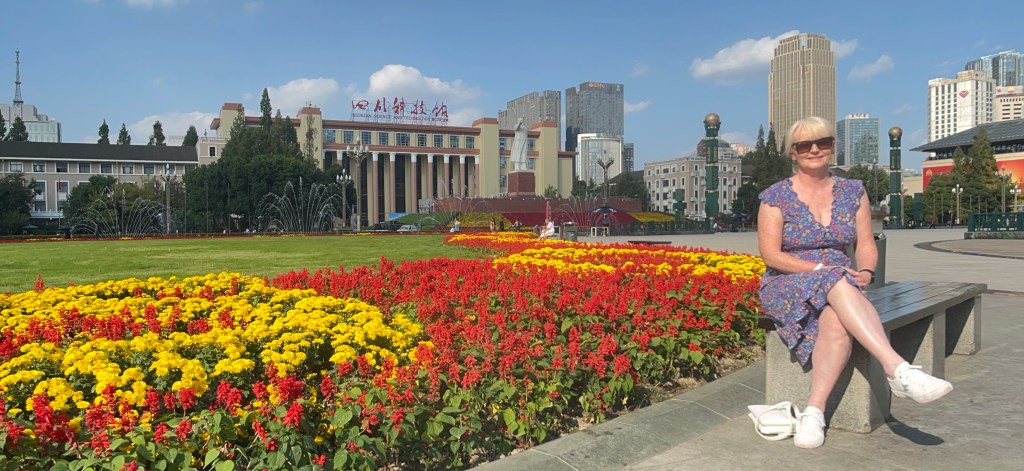
Tianfu Square is the pulsating heart of Chengdu. A blend of history, culture and modernity. One of the largest squares in China.

This bustling hub is where locals and visitors alike gather to experience the city’s vibrant life. Encircled by towering skyscrapers, Tianfu Square is where modern urban design, vibrant culture, historic monuments and modern shopping centres

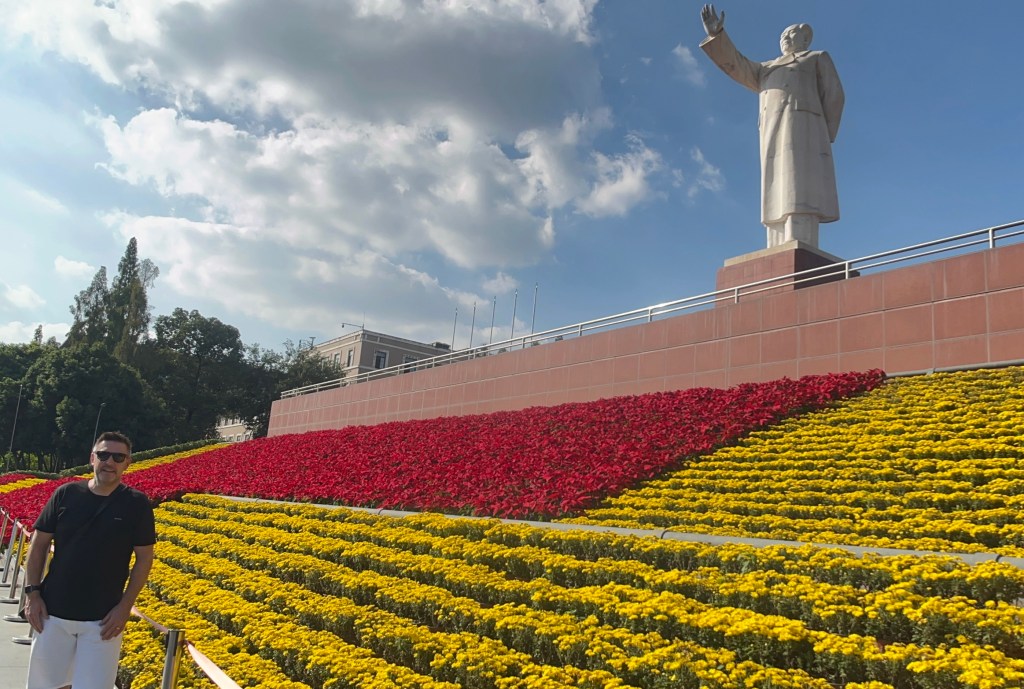
At the northern end of the square towers a commanding 30-metre statue of Chairman Mao, who faces south and waves his right hand toward the entire city. Tianfu, which translates to “Land of Abundance,” perfectly encapsulates the essence of this vibrant square. It stands as a testament to Sichuan’s fertile plains and Chengdu’s rich 2300-year history as a bustling metropolis.

Chengdu could easily earn the title “City of Lights!” The area around Tianfu Square, where we stayed, comes to life at night, transforming into a mesmerising wonderland of dazzling neon lights and stunning skyline reflections. It’s a vibrant spectacle that captivates the senses and makes the city glow like a dream!

Chengdu after dark transforms into a vibrant playground! The skyline ignites with a dazzling display of colours, casting a magical glow over the entire city. Neon lights flash brilliantly, leading you through upscale shopping havens and inviting a tantalising array of street food stalls. The nighttime scene in Chengdu is nothing short of exhilarating!

People’s Park

People’s Park in Chengdu boasts one of the city’s largest parks, a serene oasis in the city centre where residents and visitors can unwind and enjoy nature.

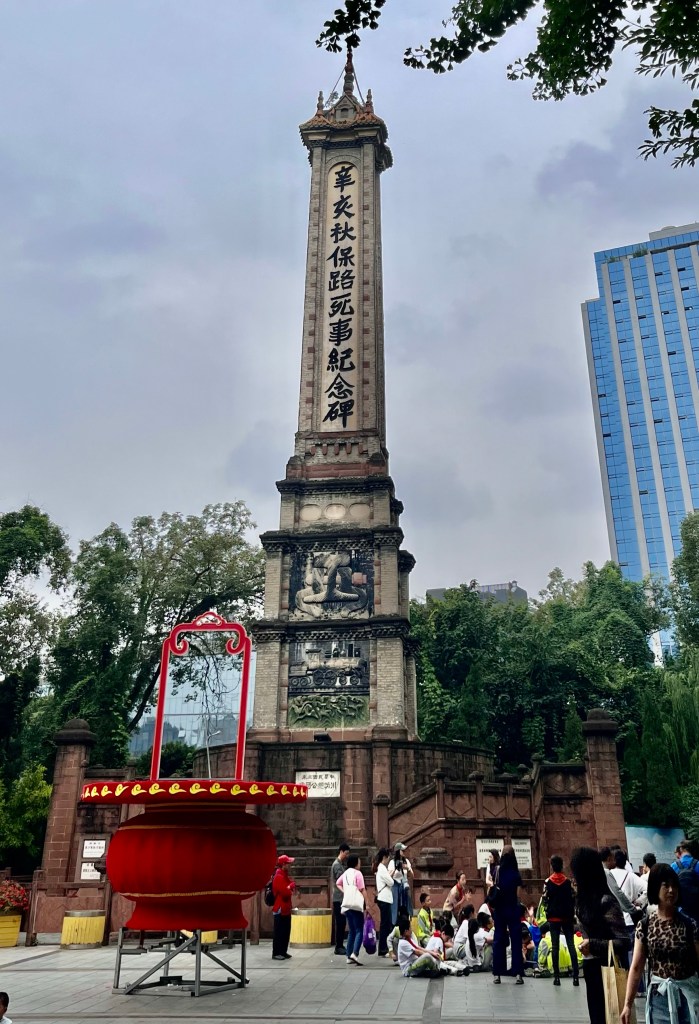
The Railway Protection Monument, is designated a Major Historical Site in China. The Railway Protection Movement erupted in Chengdu 1911 which led to the Xinhai Revolution that overthrew the Qing Dynastyand replaced it with the Republic of China.

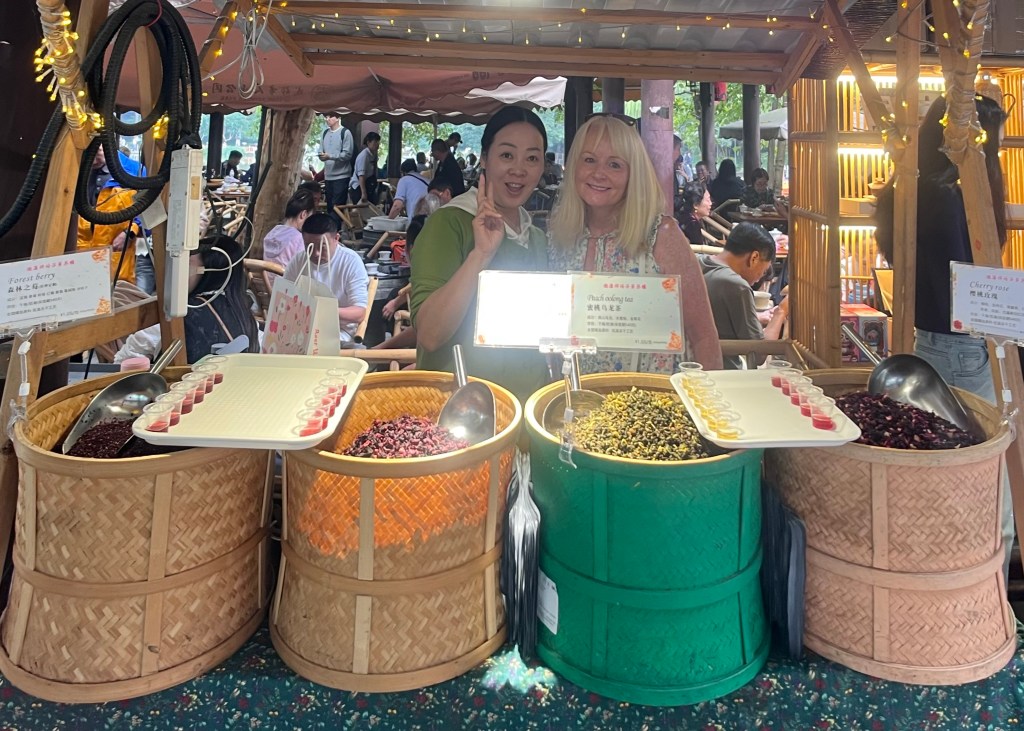
The park is a lovely spot to enjoy Sichuan tea, featuring charming tea houses where you can relax with a cup. While sugar is often offered to enhance the flavour, asking for milk might raise some eyebrows! You can also purchase tea to take home, making it a great way to experience local culture while savouring a fine beverage.

There’s a boating lake right in the middle of the park. But honestly, with how many boats they have for rent, it would get pretty crowded if everyone decided to rent one at the same time.

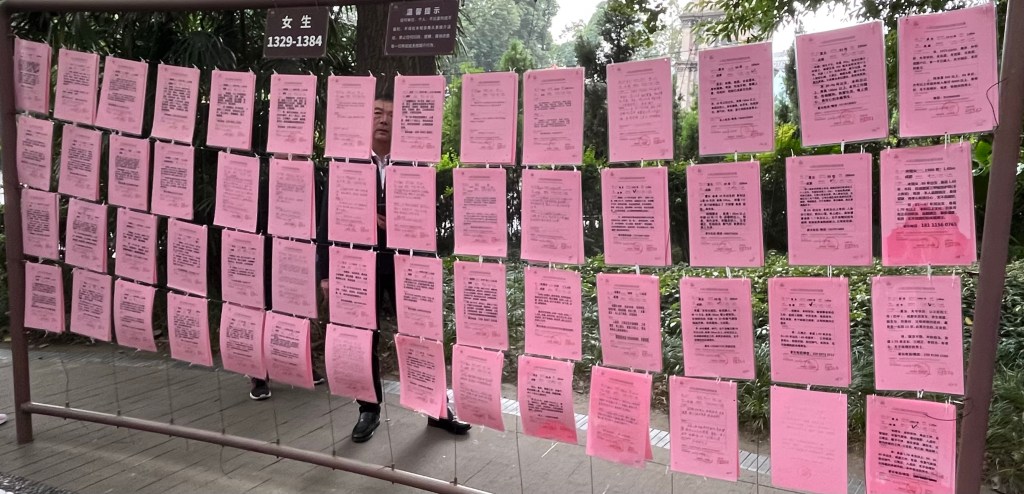
There’s a matchmaking corner reminiscent of Tinder, featuring leaflets hanging on a string and overseen by matchmakers. Parents eager for their children to marry often turn to this setting, where details like height, appearance, salary, and home ownership are formally listed. Who said romance was dead?

Chengdu’s Old Town

Chengdu isn’t just about pandas; it also has an old town full of charm, with pedestrian streets, temples, shops, tea houses and street food.

Wenshu Monestary

It is a Buddhist temple surrounded by impressive gardens, originally built around 600 AD, and is one of the largest and most popular temples in the city.

A favoured destination for locals and visitors alike, this spot offers a perfect opportunity to unwind and immerse yourself in a serene, tranquil atmosphere.

Jinli Street

The street is located to the east of Wuhou Temple—one of the oldest streets in Chengdu, dating back to 206BC.

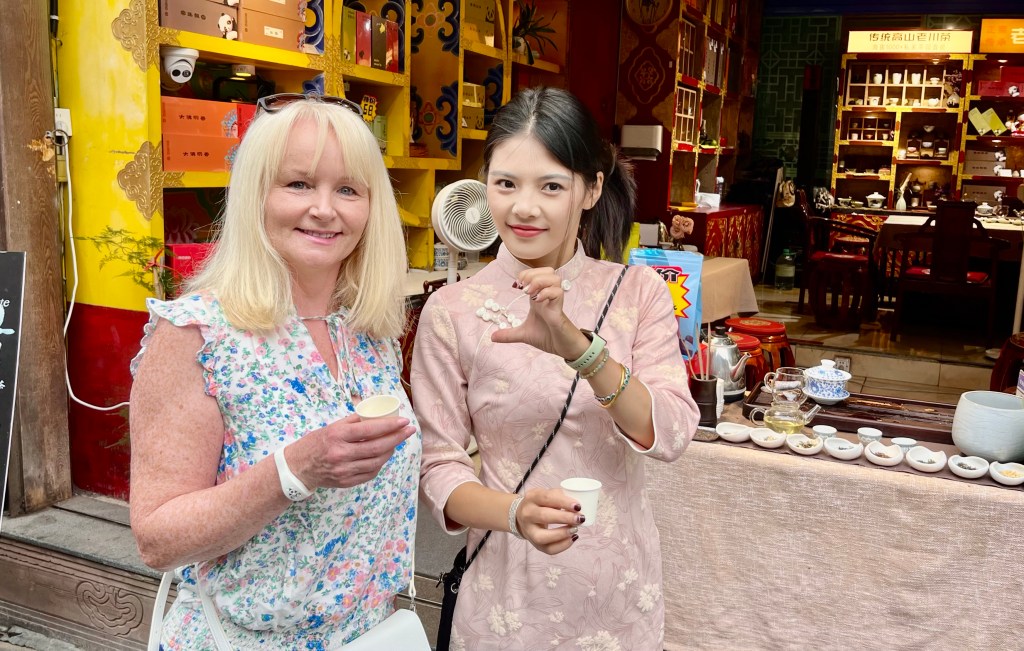
Today, you can find almost anything in old-world stores selling traditional products, tea houses tempting you to buy after a free sample. What surprised me was that, despite it being a bustling location, the stores were peaceful and relaxing with no pressure to buy

Despite the traditional atmosphere, you can still buy something fashionable or modern, and the prices are very reasonable. There are also many cafes, restaurants and food vendors. It certainly blends modern elements seamlessly with the old town.

Yangtze River cruise

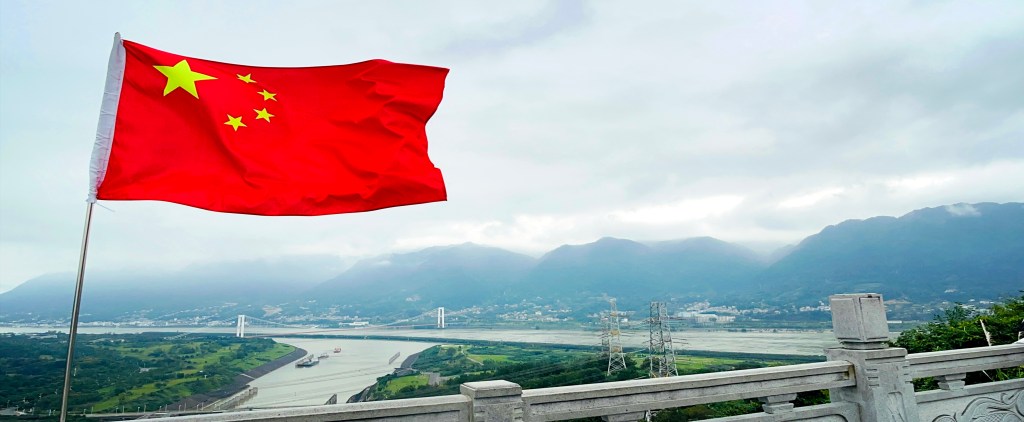
The Yangtze River, often called the lifeline of China, is vital to the country’s history and culture. As a resource since the dawn of early civilisations, it attracts those interested in exploring China’s rich heritage and diverse landscapes. A tour along the river provides an opportunity to witness its historical and cultural significance.

The Yangtze River, the third-longest river in the world, winds gracefully through the heartland of China, extending nearly 4,000 miles. Along its majestic course, we encountered a breathtaking array of sights, each reflecting the rich culture and stunning landscapes that define this remarkable region.

Three Gorges

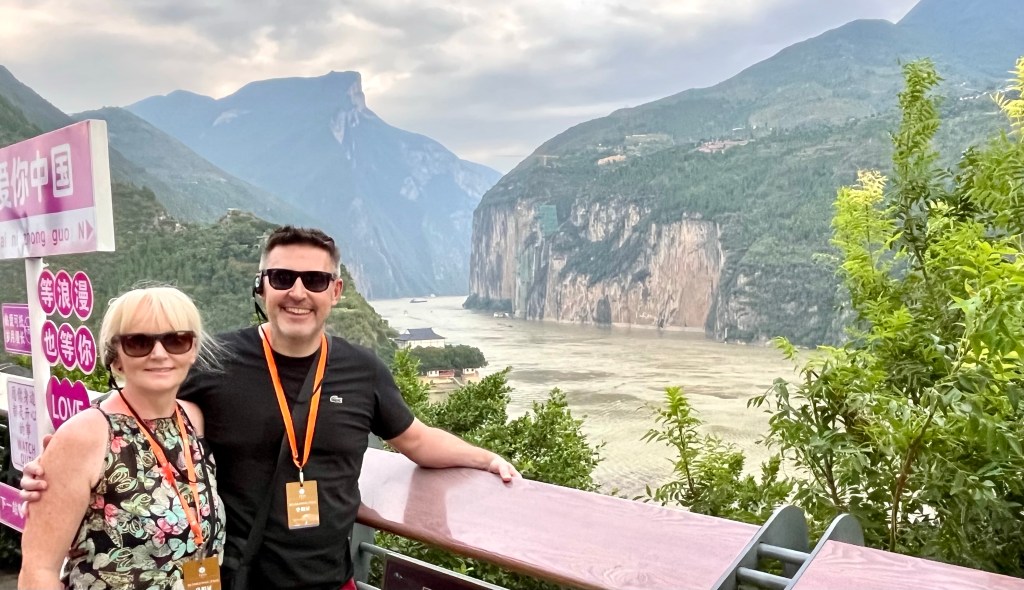
The scenic highlight of the cruise is a mountainous stretch known for its dramatic valleys carved between cliffs, including the three gorges: Qutang, Wu, and Xiling.

The highlight of my journey was undoubtedly sailing through the breathtaking Three Gorges. Xiling Gorge, the longest at 47 miles, unfolds like a grand tapestry of cliffs and serene waters, each turn revealing nature’s artistry.

Wu Gorge captivates with its stunning beauty, where lush greenery clings to towering limestone peaks, creating a scene that feels almost otherworldly.

Finally, Qutang Gorge offers a dramatic vista, with its cliffs rising sharply from the river, leaving an indelible impression of nature’s raw power and majesty.

The Three Gorges Dam

A fantastic feat of engineering and one of the world’s most significant hydropower sources. Work commenced in 1991 and was completed in 2009.

It brings significant benefits in areas such as flood control, power generation, shipping navigation, and, of course, tourism. Although a project of this scale also generates fair debate around environmental and ecological issues. One aspect that remains unquestionable is the sheer brilliance of engineering.

The escalators that whisked us up to the dam’s pinnacle were nothing short of remarkable, showcasing innovative design and functionality. The Chinese leave no stone unturned when it comes to thoughtful construction and meticulous planning.

Three Gorges Tribe Scenic Area

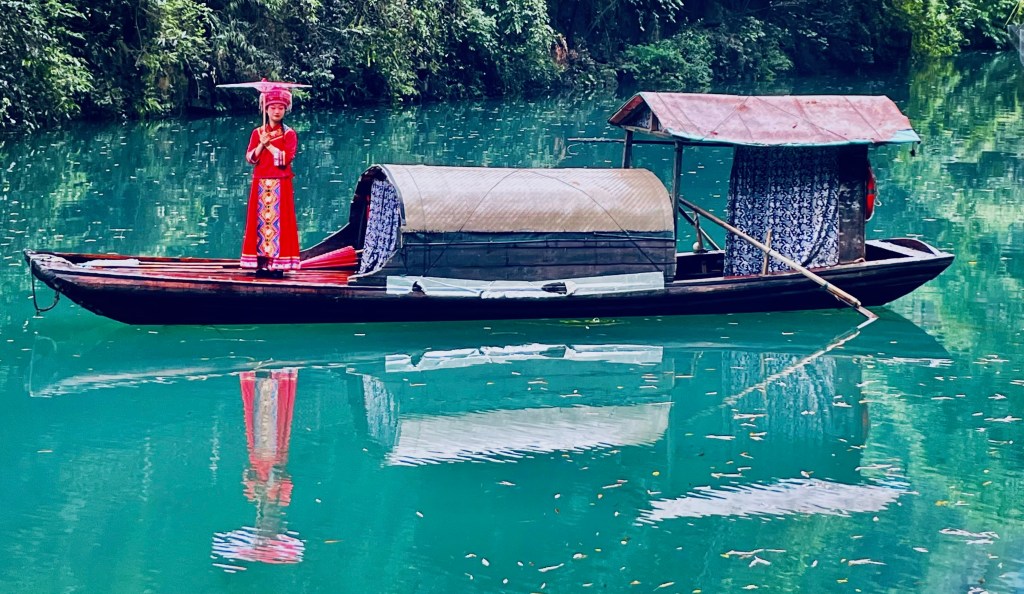
The Tribe of the Three Gorges Scenic Area captivates with its stunning natural beauty. The vibrant landscape, featuring deep greens of forests and shimmering blues of waterways, enchants visitors and invites exploration of its serene environment.

Tucked away in the embrace of The Three Gorges lies a hidden realm where time meanders gently, and age-old traditions continue to flourish. This enchanting landscape, with its majestic cliffs and serene waters, creates an atmosphere steeped in history and culture, inviting visitors to immerse themselves in its tranquil beauty.

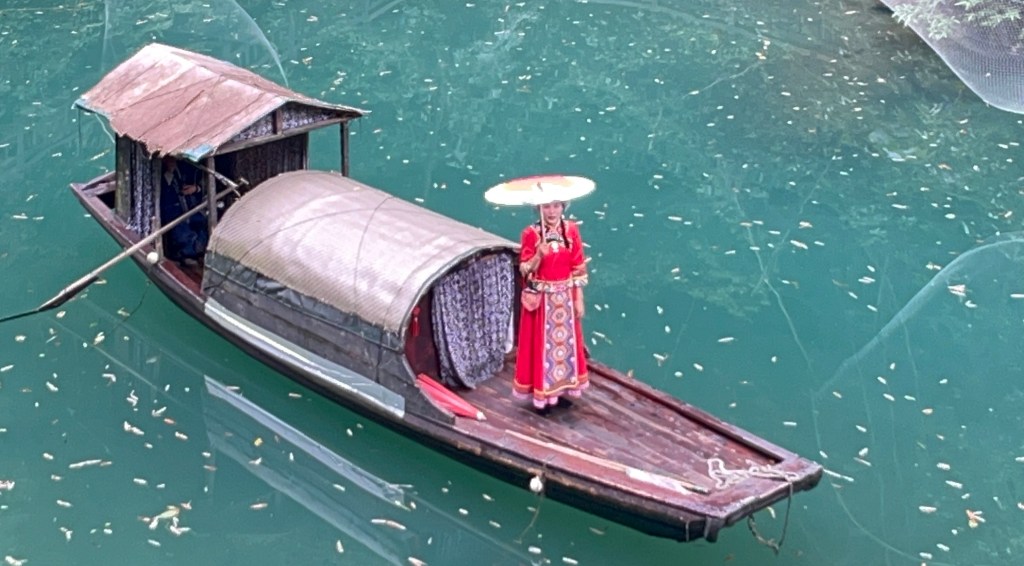
The region’s vibrant culture attracts visitors with its artistic expression and rich heritage. During our visit, we witnessed local performers in stunning traditional attire, skillfully narrating musical tales of the ancient Ba People. The performance beautifully blended history and artistry, immersing us in the timeless stories of this unique culture.

In the picturesque landscape, particularly at the far end by the captivating Monkey Rocks, we had the exhilarating opportunity to observe monkeys up close. These lively creatures often frolic along the riverbanks and venture into the lush forests surrounding them. This specific area has become their cherished refuge, where they congregate in large, animated groups, adding a vibrant energy to the serene environment.

Baidicheng (Baidi City)

Baidicheng boasts a rich tapestry of historical and cultural heritage, intricately woven with stories of the past, while its breathtaking natural scenery captivates the senses.

The picturesque landscapes, adorned with lush greenery and majestic mountains, create a stunning backdrop that complements the site’s deep-rooted traditions and legends.

Baidi Temple

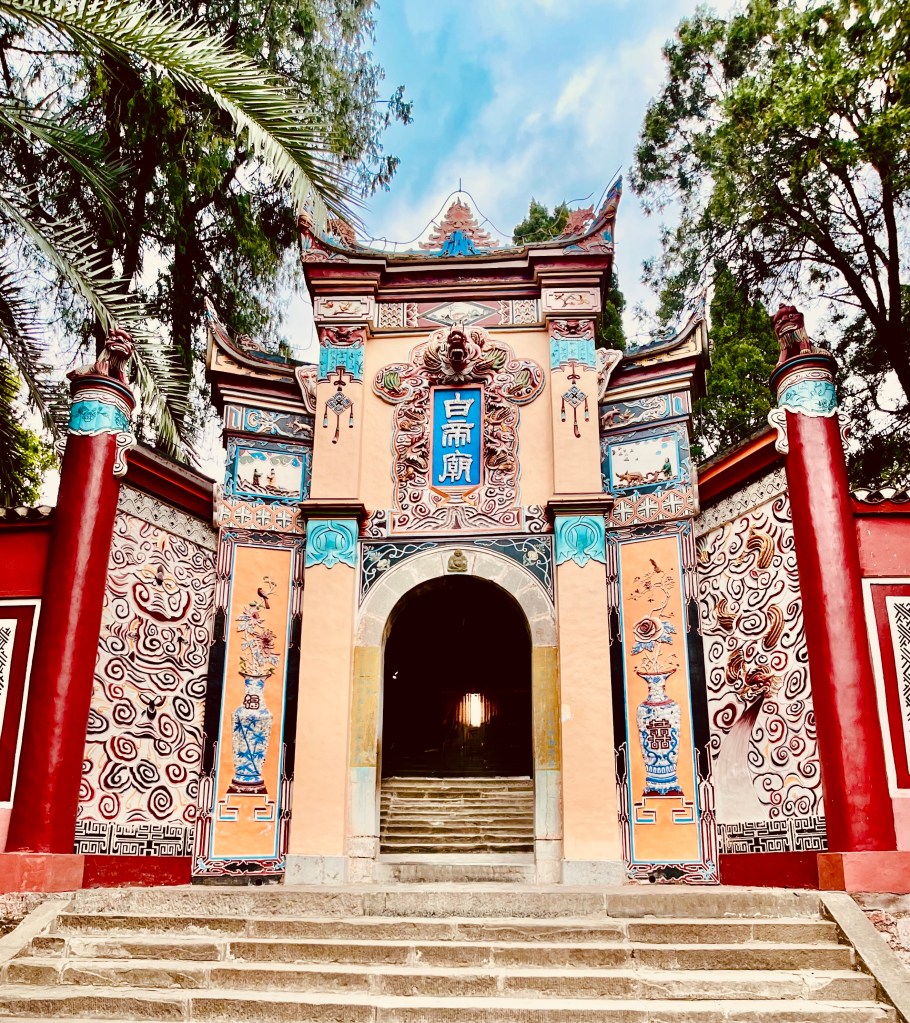
Badicheng is an ancient mountain city. The main attraction undoubtedly is the Baildi Temple. It has a history going back over two millennia and stands as a testament to Chinese culture and history. It is a sacred sanctuary which offers a window into Chinese spirituality.

Kumin Observatory

The Kumin Observatory in Baidicheng provides stunning views, making it a favourite among Chinese tourists. It is not only a symbol of the region but also featured on the back of the 10 Yuan banknote, highlighting its cultural significance as the Yangtze River begins its journey through the gorges.

City of Ghosts

This ancient settlement captivates visitors eager to explore the rich tapestry of beliefs surrounding the Chinese afterlife. With its time-worn architecture and serene landscapes, it offers a window into the cultural practices and spiritual traditions that have shaped the understanding of existence beyond death.

The city has thrived for over 2000 years, its ancient streets and weathered buildings infused with a haunting aura of history. Shadows of the past linger in every corner, inviting a sense of mystery and reverence that envelops all who wander through its timeworn passageways.

It is best described as a collection of buildings, monasteries, temples and shrines overlooking the river. Two imperial officers came to the location to practice Taoism and, in the process, became immortal.

This marked the site’s shift to an emphasis on the underworld. Furthermore, numerous temples and shrines are adorned with vivid paintings and intricate sculptures depicting harrowing scenes of individuals enduring torment as punishment for their sins.

These artworks not only illustrate the severe consequences of moral transgressions but also evoke a haunting sense of the grim reality of the afterlife.

After a captivating 3-day river cruise along the majestic Yangtze River, we finally arrived at our bustling port of disembarkation—Chongqing. The vibrant city, known for its breathtaking skyline and rich history, awaited us, ready to unveil the next thrilling chapter of our Chinese adventure.

Beijing and the Great Wall. A bustling metropolis and a very long wall.

A dynamic hub of energy where the echoes of ancient history harmoniously intertwine with the pulse of modern innovation.

It’s a city that takes you on, offering a rich tapestry of experiences. You can explore its historic temples and landmarks, savour the delightful flavours of traditional street food, or immerse yourself in the vibrant culture that fills the air. There’s truly something for everyone to hear.

Beijing, a city with a rich tapestry woven over several thousand years of history, stands as a vibrant testament to the passage of time. Its ancient streets and storied landmarks whisper tales of dynasties, cultural revolutions, and enduring traditions.

It is fascinating to witness how Beijing has evolved from its rich history as an ancient walled city into a cutting-edge megacity in just under a century. The transformation we’ve seen thus far hints at even more impressive developments on the horizon.

Beijing is the perfect launching pad for your adventure to the iconic Great Wall of China! Just a short drive of around an hour will take you to several breathtaking sections of this ancient marvel, making it easy to explore and experience one of the world’s most remarkable landmarks.

Beijing serves not only as a gateway to the Great Wall but also as a rich repository of history and culture. The city boasts numerous ancient sites, including the Forbidden City, the Summer Palace, and the Temple of Heaven, which harmoniously coexist with contemporary skyscrapers, modern shopping districts, and a dynamic culinary landscape.

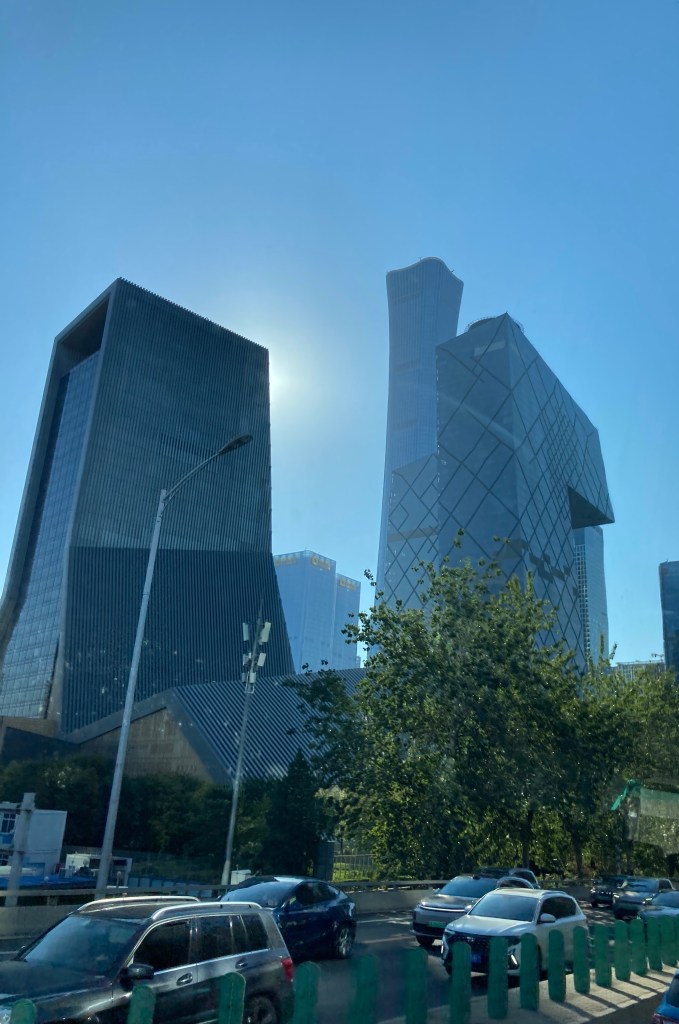
Beijing is a city that has much to offer and can be appreciated by all, especially once you navigate the initial impressions created by its expansive apartment complexes, which accommodate a significant portion of the population, and its wide 8-lane roadways that can seem overwhelming at first.

The Great Wall

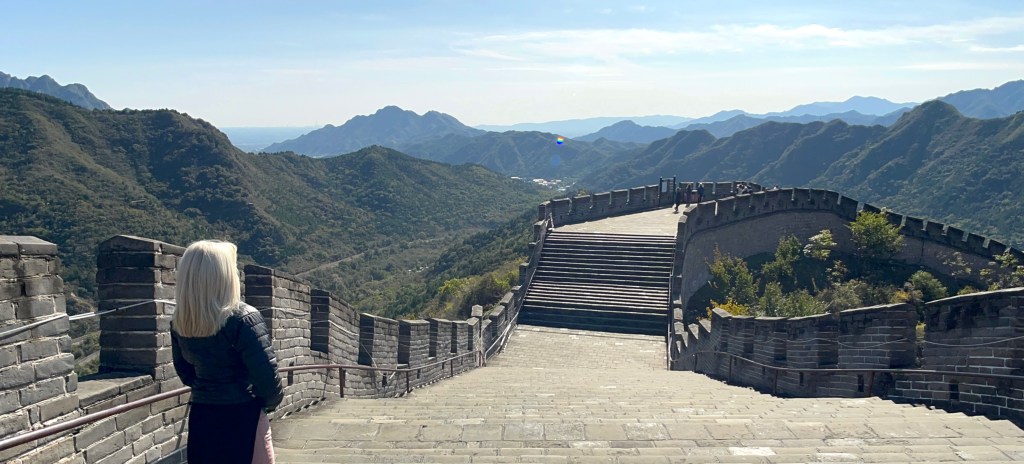
China’s most iconic cultural masterpiece, forged over 2000 years. It’s the largest manufactured project in history. No amount of superlatives can truly prepare you for the experience of witnessing it in person.

With impressive sections of the Great Wall near Beijing, it serves as an excellent base for exploring one of the world’s most remarkable wonders.

As we look forward to our upcoming adventures, it’s exciting to think about exploring the Great Wall, which stretches over 21,000 kilometres (13,000 miles). Some of the best sections to visit are located to the east and north of Beijing, promising an unforgettable experience in this remarkable location.

We were on an escorted tour, and the section of the Great Wall we explored was carefully chosen for our group’s itinerary, with our unique needs in mind. Factors such as our physical abilities, ages, and shared interests were considered to ensure that everyone could enjoy this remarkable experience.

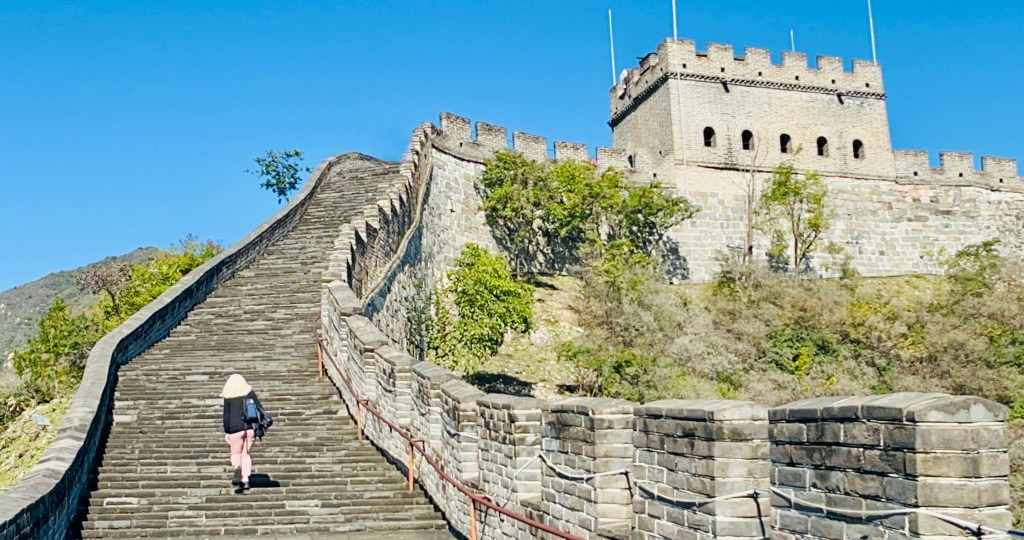
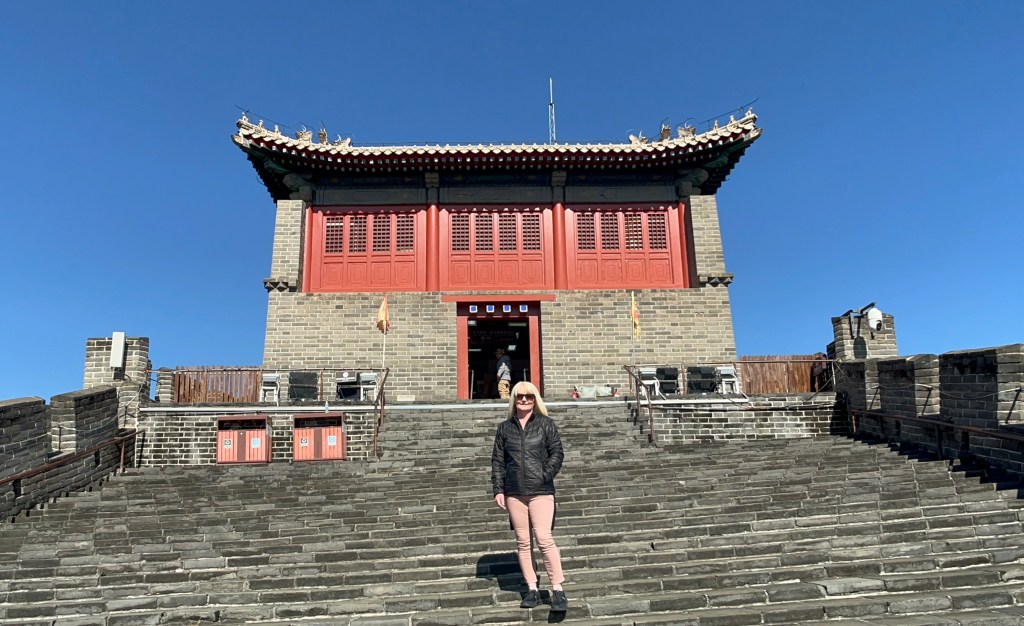
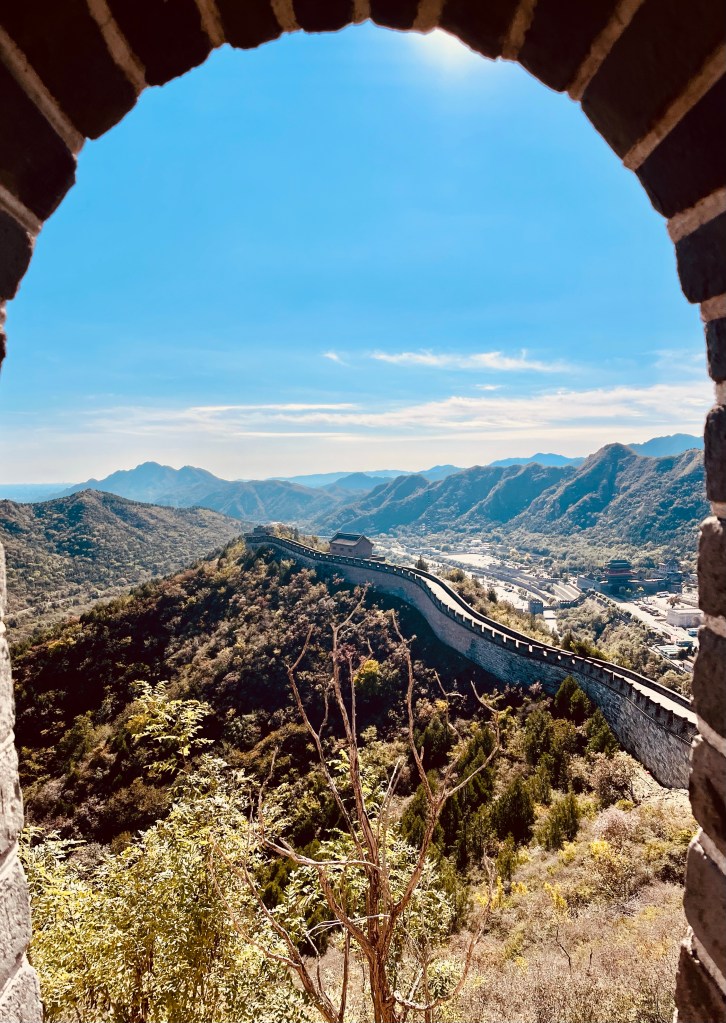
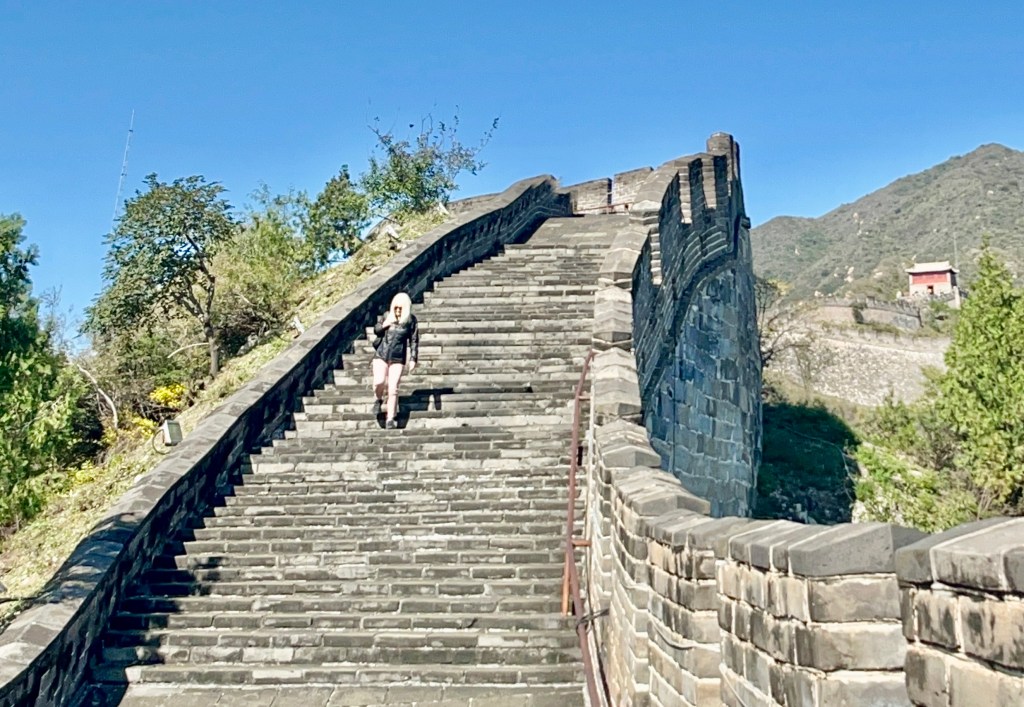
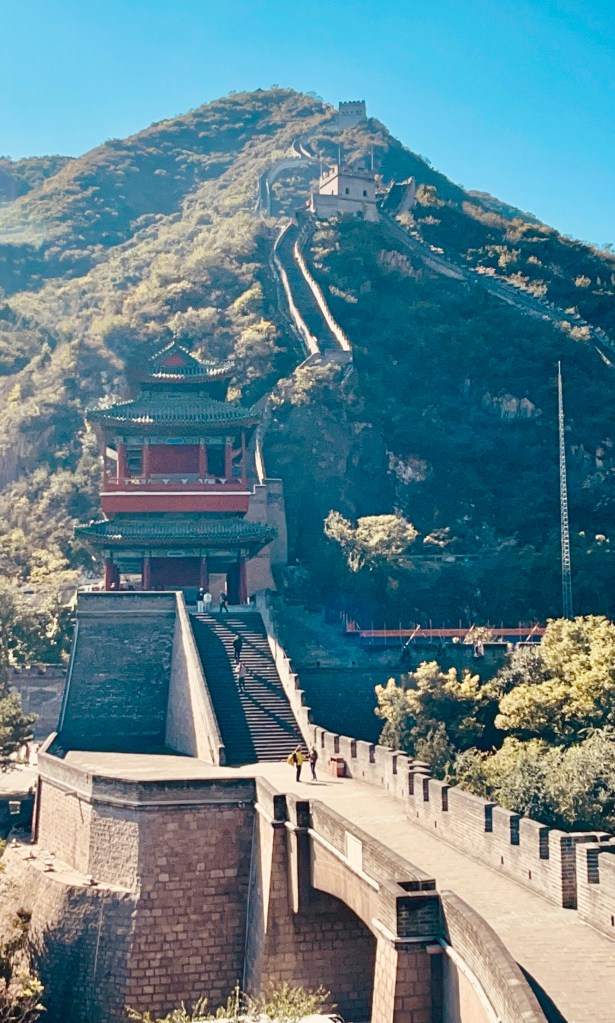
The location chosen for us was Juyongguan. This section of the wall is in the Guangou Valley, which, in ancient times, was one of the most vulnerable northern access routes to Beijing, just 37 miles from central Beijing in the Changping district.

The Juyong Pass section, to give it its official title, was built by the Ming Dynasty (1368-1644) in this strategic valley, which provided direct access to Beijing. This section was built by Emperor Zhu Yuanzhang (1368-1398), who sought to fend off attacks by the Mongol invaders.

Fortifications in this area have a rich history, dating back to the third century BC. Its remarkable condition piques curiosity, and it’s worth noting that the Chinese government undertook restoration efforts for this section in the late 1990s.

The Juyong Pass is historically significant as one of the key passes along the Ming Great Wall. Throughout history, it has been the site of notable battles, including those against Mongol and later Japanese forces. It is also noteworthy that Genghis Khan traversed this pass with his army, underscoring its strategic relevance in military history.

The fort and wall named Joyongguan reflect the involvement of ordinary citizens in the construction of the Great Wall. “Ju” means dwelling, “yong” means common, and “guan” means gate, so Joyongguan translates to The Commoner’s Gate, highlighting the community’s contributions.

The Juyong Pass, a UNESCO World Heritage Site since 1987, is renowned for its stunning views of the Great Wall and the surrounding mountains. Its proximity to Beijing makes it a popular spot for visitors seeking beautiful landscapes.

When we visited in late October in the morning, it was an incredibly peaceful and serene experience, largely free of visitors. We concluded our walk at the Juyong Pass Fort, which showcases stunning Ming architectural features that have been beautifully reconstructed.

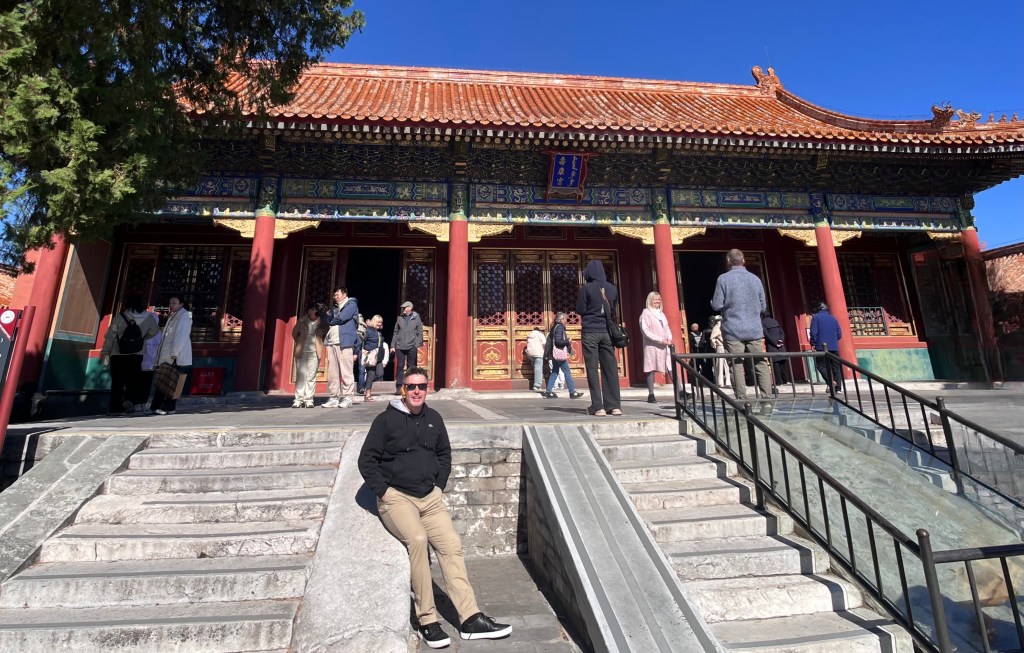
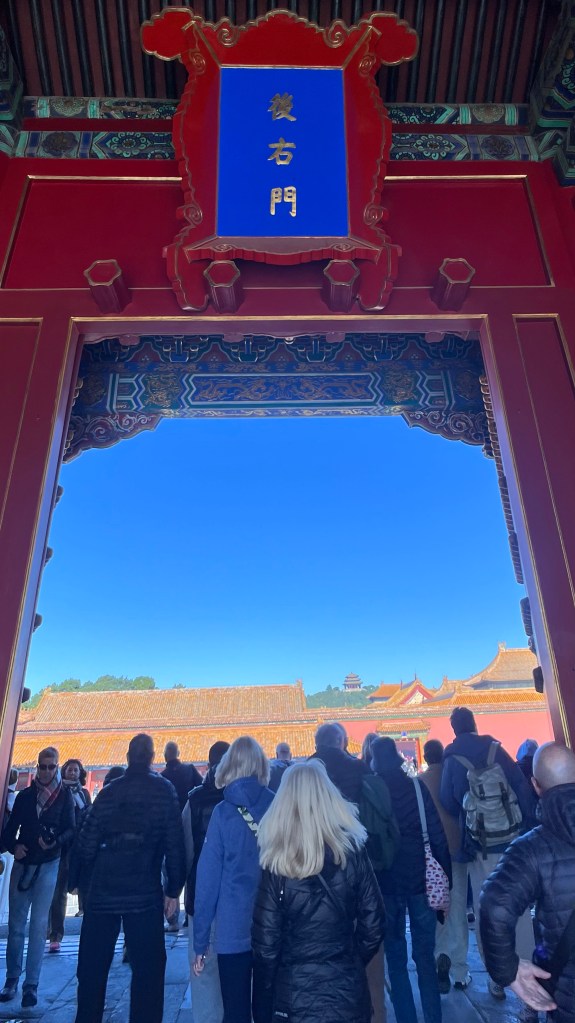
Forbidden City

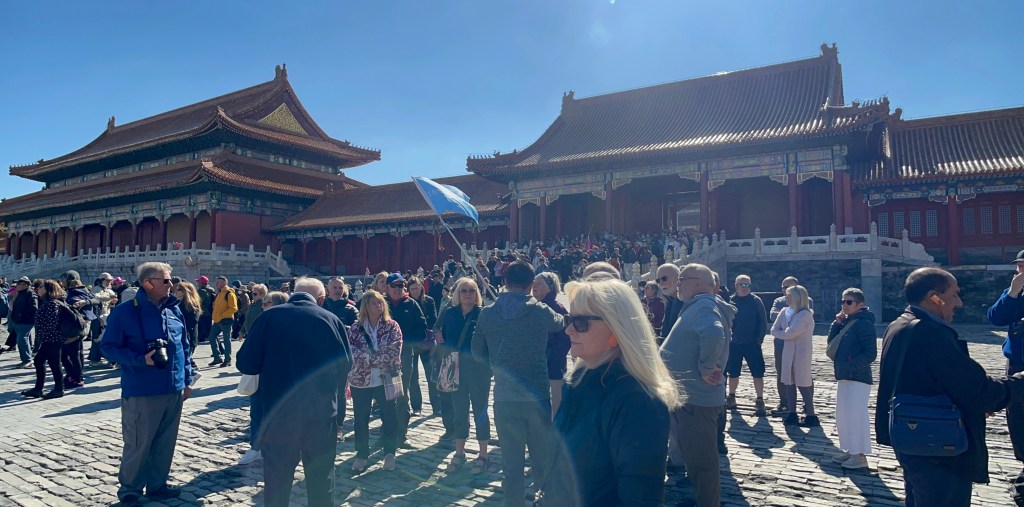
The Forbidden City is the Imperial Palace of the Ming and Qing dynasties (1368-1912). It is one of the largest Imperial Palaces, over 3 times the size of the Louvre in Paris.

Considered a divine place, it was indeed forbidden for ordinary people, and that’s why the Forbidden City is so named. In China, it’s now usually called the former palace.

The Forbidden City covers about 180 acres and has a total floor area of approximately 150,000 square meters (1,600,000 square feet).

The Forbidden City is the largest and most complete complex of ancient wooden structures in the world. Carpenters used interlocking mortise and tenon joints to build this grand palace “harmoniously” without nails.

The Forbidden City is characterised by its use of red and yellow hues. In Chinese culture, red symbolises fortune and good luck, while yellow represents supreme power, reserved for the Imperial family during the Ming and Qing dynasties. These colours enhance the architectural beauty and reflect the site’s cultural significance.

The Forbidden City features majestic lions, which are intriguing because lions don’t live in China. In Chinese culture, these lions symbolise strength and guardianship. Their presence in a country more associated with tigers sparks curiosity about their significance and the stories they tell.

The Forbidden City is a highly esteemed attraction that draws numerous visitors. It holds significant cultural importance for many Chinese and limits daily attendance to 80,000 individuals. To enhance your experience, it is recommended to make reservations well in advance if you plan to visit independently.

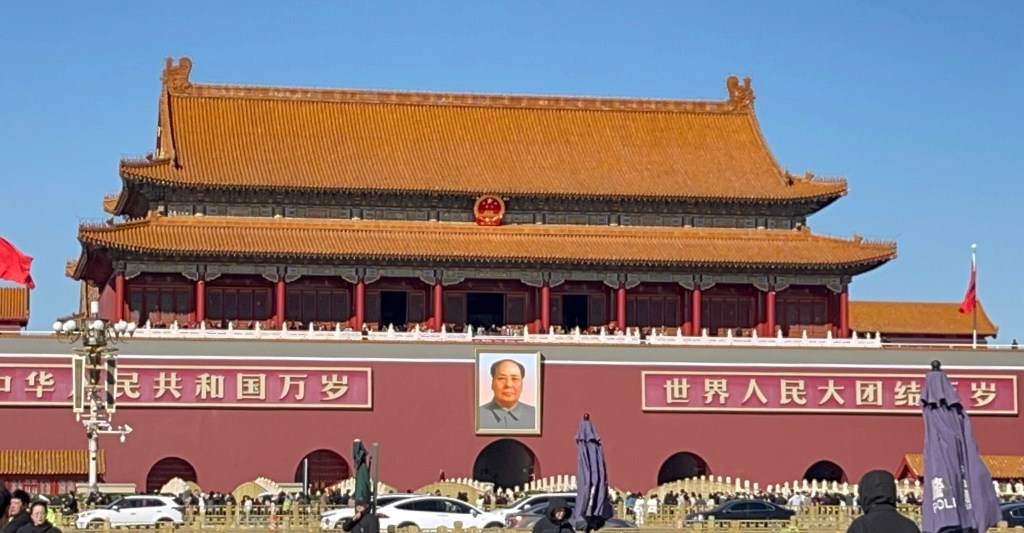
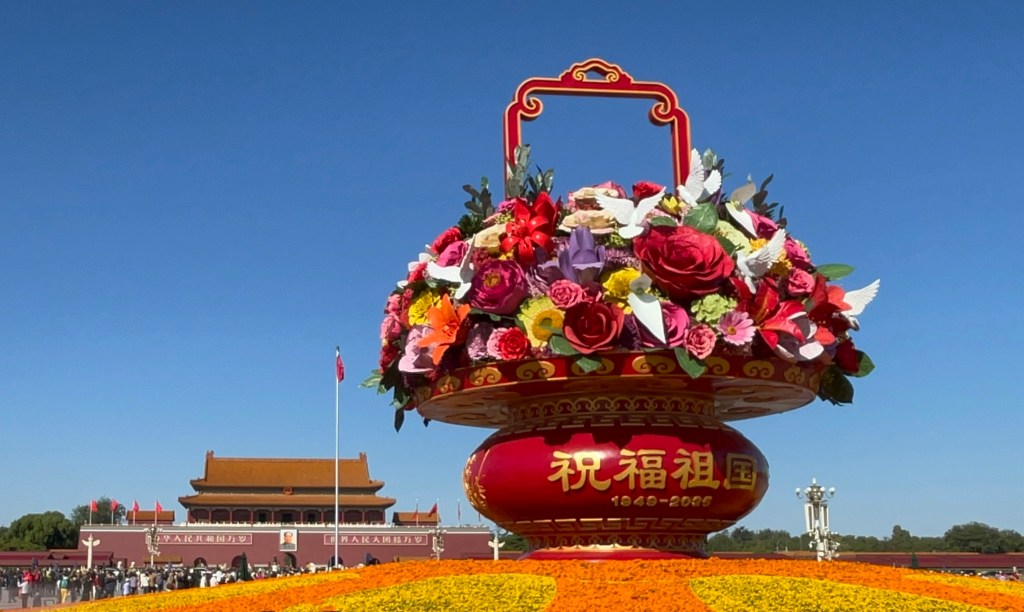
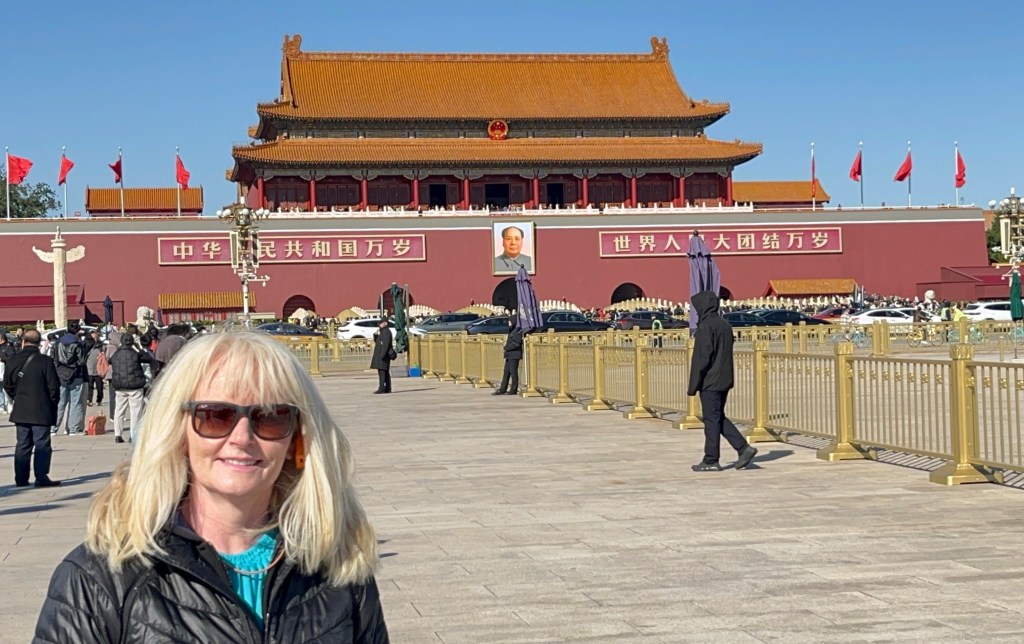
Tianmenen Square

Tiananmen Square, situated in the centre of Beijing, holds great historical and cultural significance for the Chinese Communist Party. It serves as an excellent venue for exploration and can be conveniently combined with a visit to the adjacent Forbidden City.

Access to the facility requires a reservation, and security measures are stringent, including passport verification and security screenings. Our experience lasted approximately 40 minutes; however, the tour guide indicated that this was a relatively quiet day. It is not unusual for wait times to extend to two hours.

Tiananmen Square embodies China’s dense history and complex politics, surrounded by Soviet-style buildings and ancient gateways, and dominated by Mao Zedong’s portrait on the Gate of Heavenly Peace. The National Museum of China, the Great Hall of the People, and the Chairman Mao Memorial Hall are all located nearby.

We took a stroll around the main square to immerse ourselves in its vibrant atmosphere. This area attracts numerous visitors from China due to its significant cultural resonance and several iconic buildings. While it is often recognised internationally for the pro-democracy protests of 1989, which were marked by tragic events, its historical and cultural importance continues to draw attention and reflection.

While in Beijing, I thought it was essential to visit Tiananmen Square. The security protocols and queuing system are pretty thorough, which can be an interesting aspect for international visitors. Overall, it contributes to a unique experience in this vibrant city.

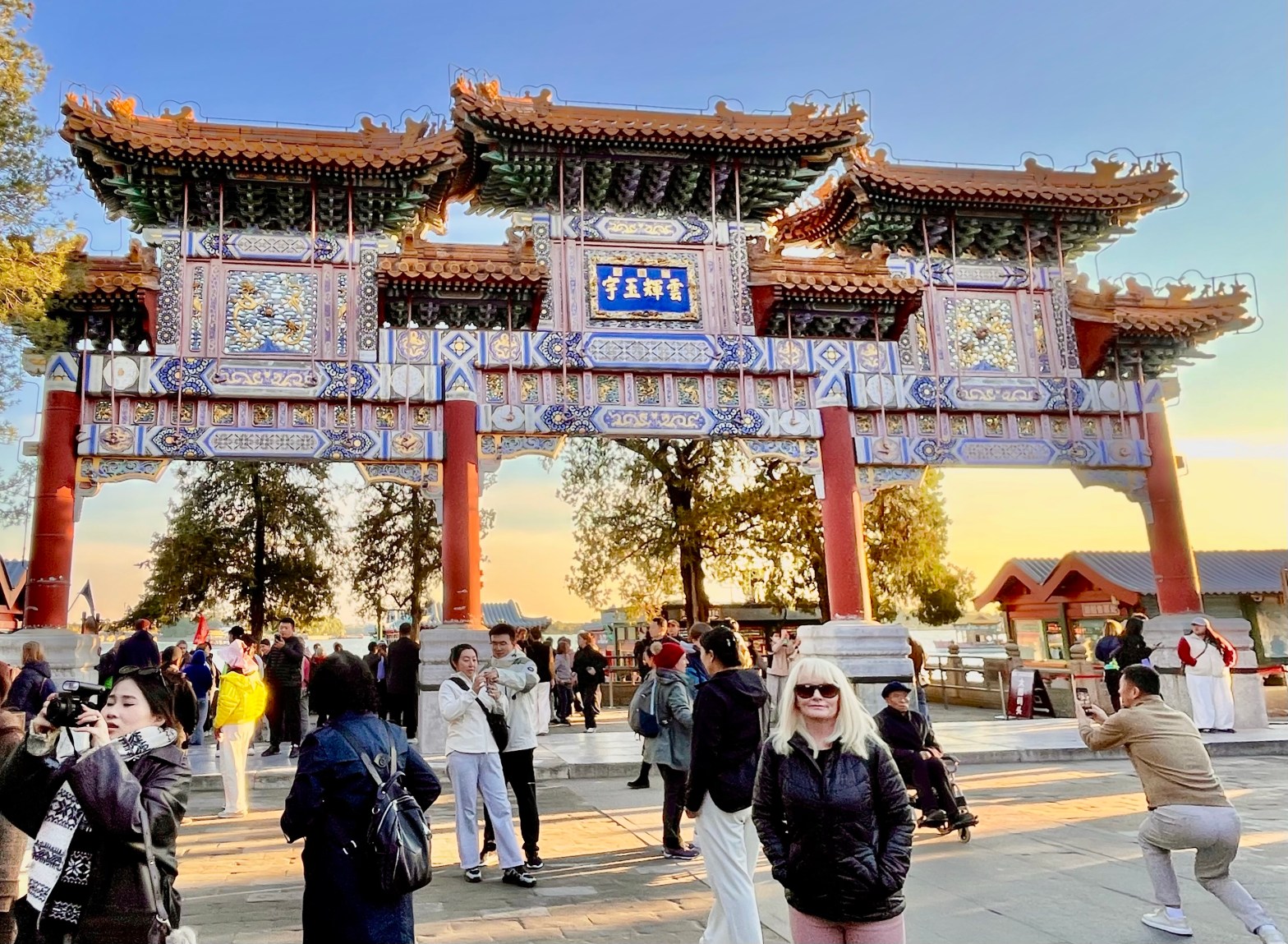
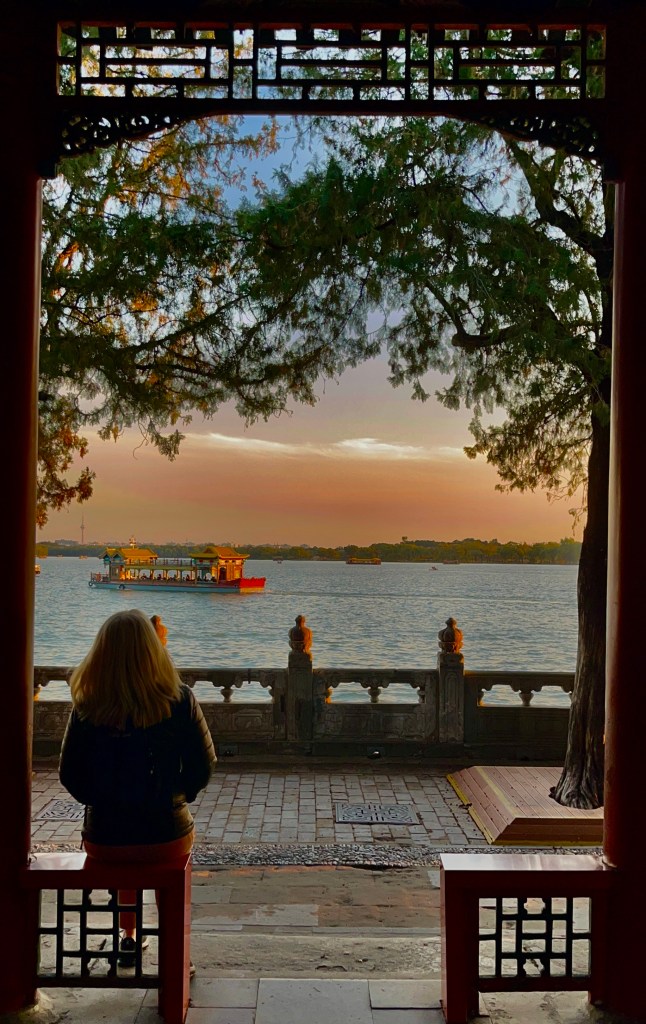
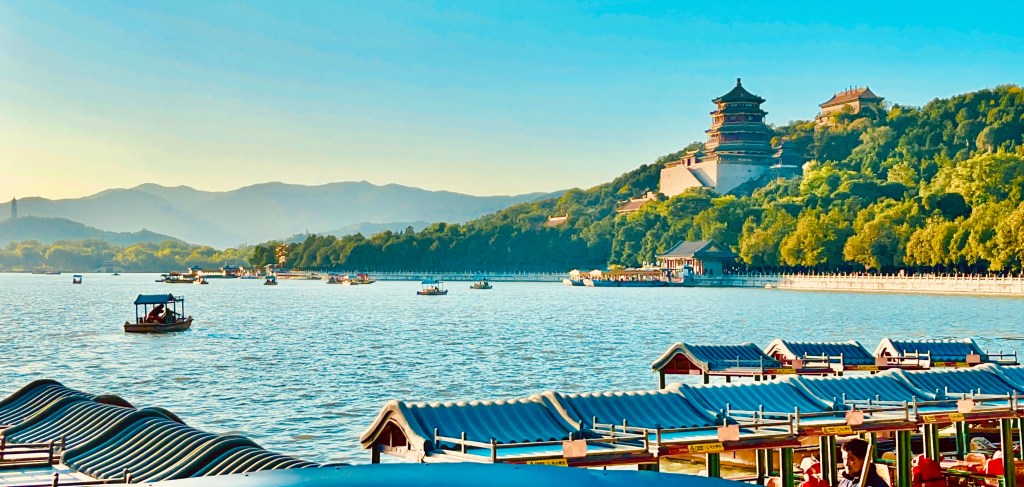
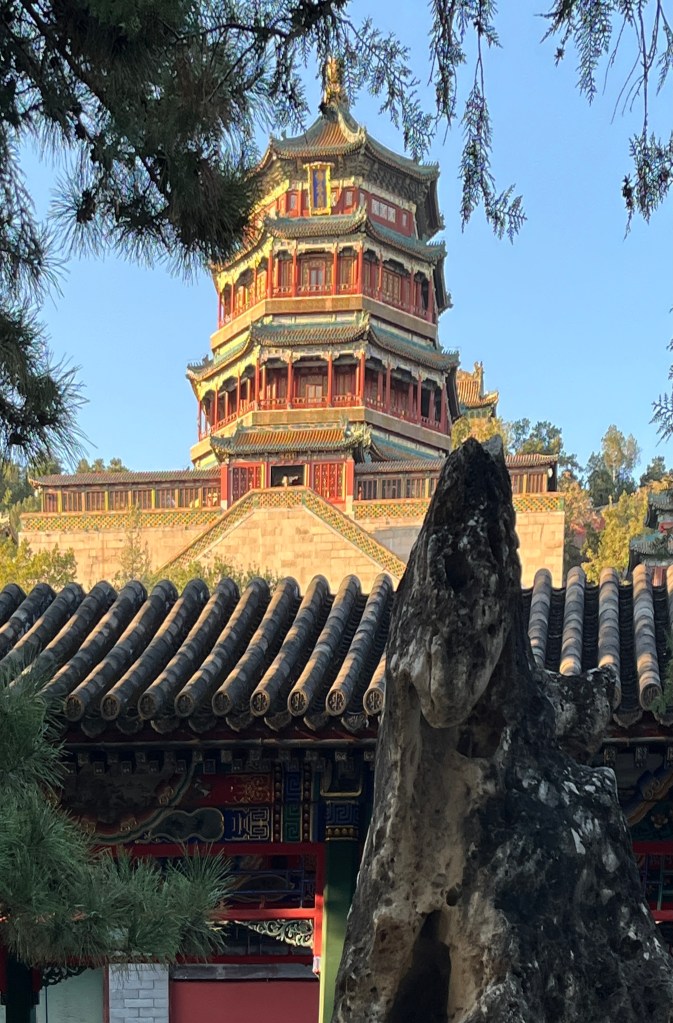
Summer Palace

The expansive collection of lakes, gardens, and palaces in Beijing reflects a rich historical legacy, having served as an imperial garden during the Qing dynasty.

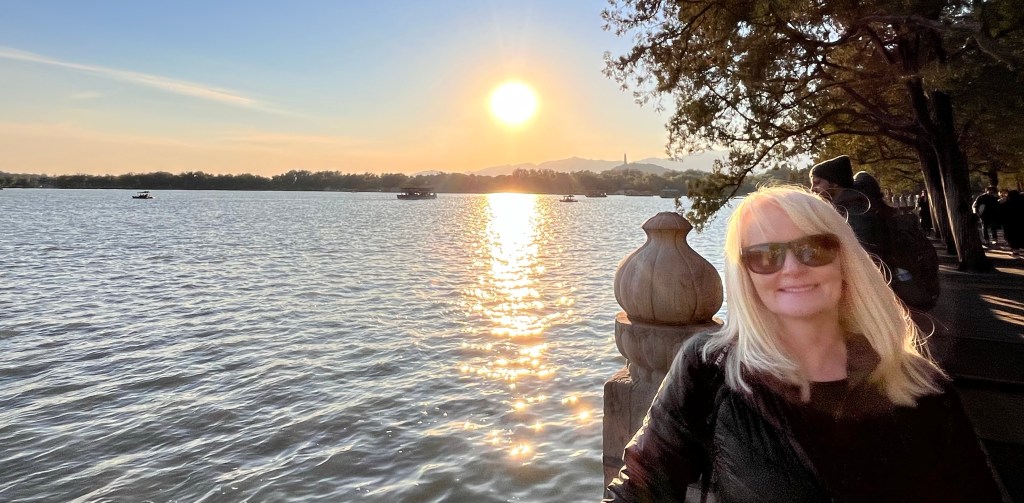
Situated in the northern fringes of the city, the Summer Palace was part of Beijing’s vast collection of imperial gardens. Kunming Lake was first excavated in the 13th century, and the hills behind it were used for temples from the 15th Century onwards.

The Summer Palace was built in the 1750s and survived ransacking by British and French soldiers during the Second Opium War. It became the primary residence of Emperor Dowager Cixi and was opened as a public garden in 1913 after the last emperor’s abdication.

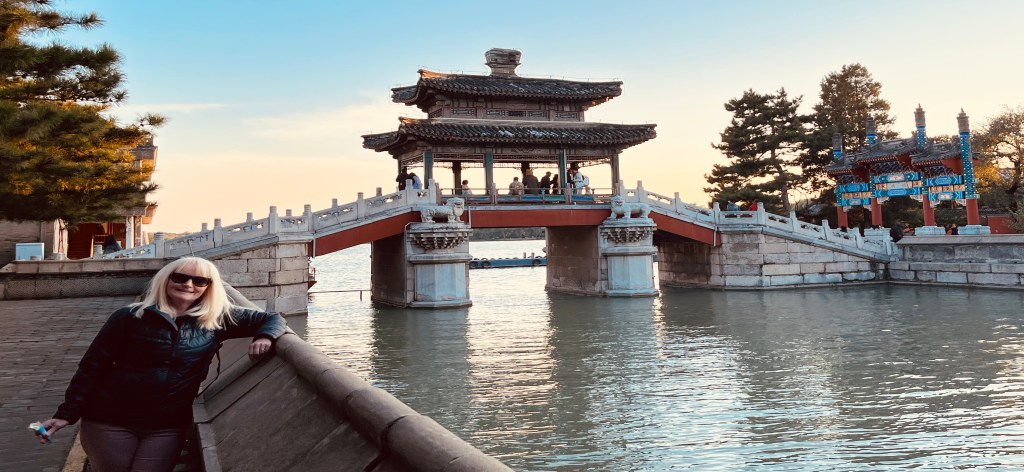
The site is quite remarkable, featuring lovely waterways, temples, bridges, and pavilions. Although our visit was brief and centered around the main attractions, it’s worth noting that the expansive Summer Gardens offer a wealth of beauty and could easily warrant a full day’s exploration.

In 1989, this impressive site was designated a UNESCO World Heritage Site. It showcases the pinnacle of Chinese garden and architectural design, covering 1.1 square miles, with about three-quarters featuring enchanting waters.

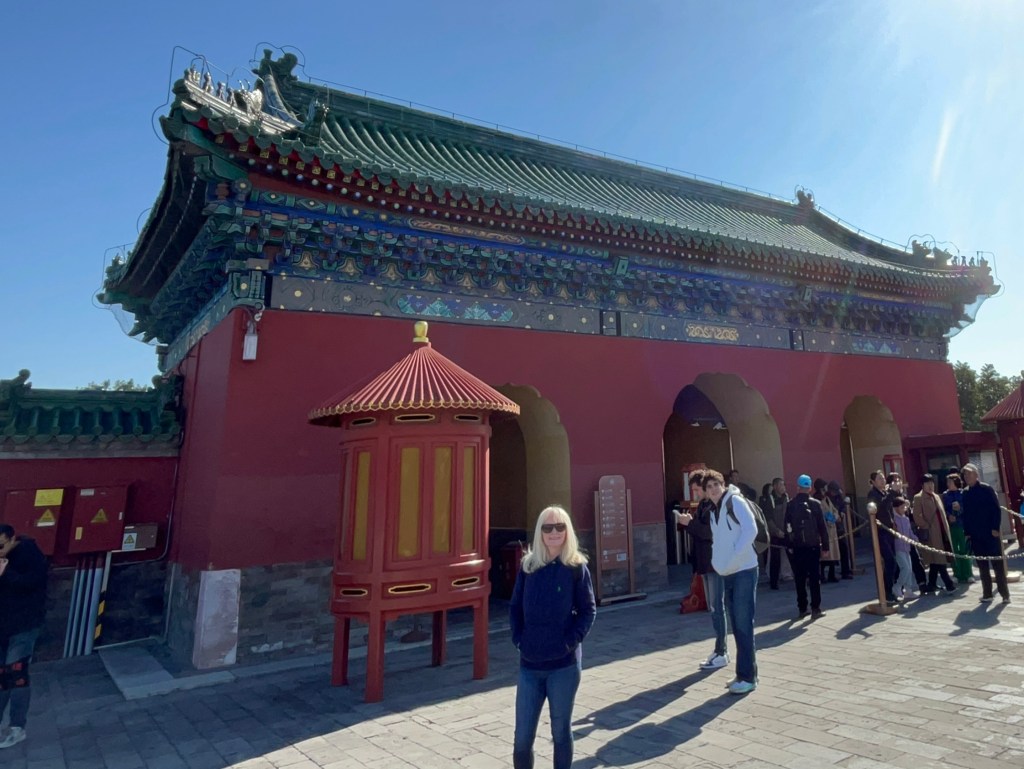
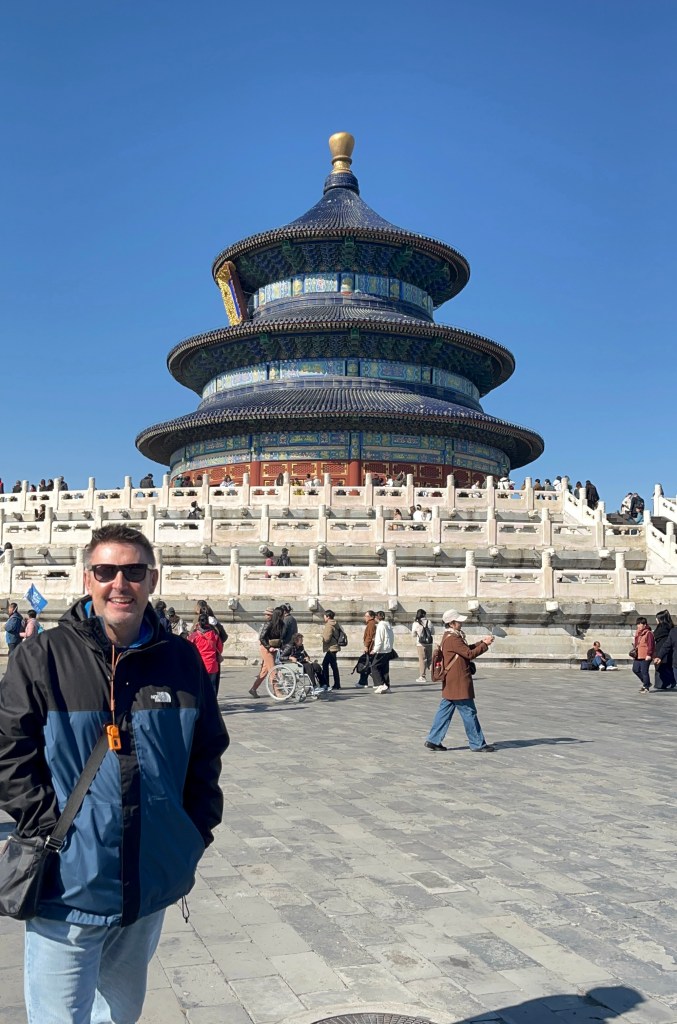
Temple of Heaven

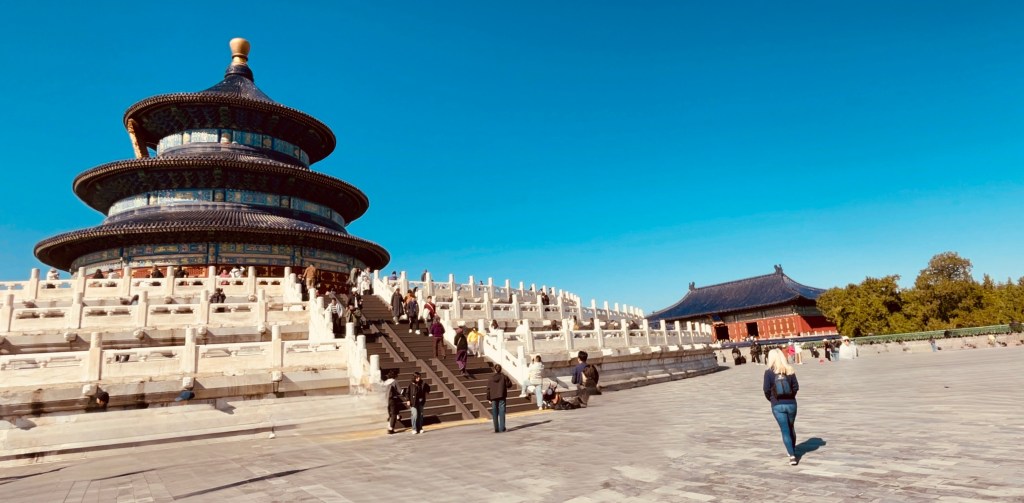
A UNESCO World Heritage Site founded in the 15th Century. It symbolises the relationship between the earth and heaven.

Although it was used by the Ming and Qing dynasties as a site for sacrifices to heaven and prayers for a bumper harvest.

The temple is larger than the Forbidden City, as the Emperor was not allowed to build his residence larger than the one dedicated to heaven. It is the biggest religious complex in China.

The complex stands as a remarkable testament to Chinese architectural excellence. Its thoughtfully symbolic design features a square southern section of the wall representing Earth, while the northern walls are elegantly semi-circular, symbolising Heaven.

Today, the park surrounding the temple complex serves as a vibrant public space, energising the community with opportunities for exercise, dance, and uplifting social activities.

Chaoyang Park

An enchanting oasis in the heart of Beijing, where vibrant greenery invites you to unwind and escape the bustling city life.

We discovered a delightful green oasis near our hotel, conveniently accessed through an entrance next to a shopping centre we had explored. It was refreshing to find such a tranquil space amidst the vibrant energy of the bustling metropolis around us.

It is Beijing’s largest park, covering 288 hectares and a water surface of 68 hectares. It was constructed in 1984 on the former grounds of the Prince’s Palace.

The park is an excellent place to walk, with many scenic spots dotted around. It is popular with families due to its plethora of activities available. The Olympic beach volleyball competition was held here in 2008.

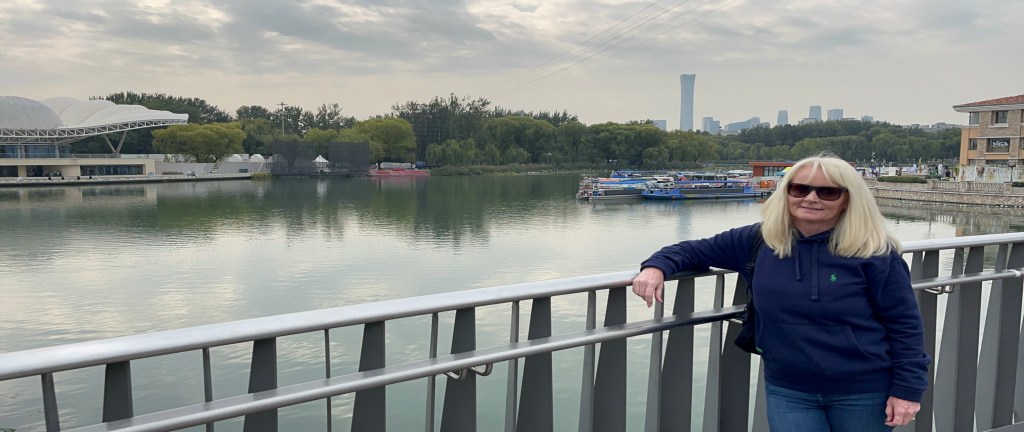
The riverside area that stretches from Chaoyang Park to our hotel is a picturesque destination, especially enchanting at night when illuminated. This scenic spot offers a pleasant atmosphere for walks and social gatherings, enhancing the overall experience of the area.

The area had numerous bars and restaurants, each offering a unique culinary experience. After indulging in a feast of flavorful Chinese dishes and vibrant drinks, we yearned for a change. So, we set our sights on Nashville—a charming microbrewery and steakhouse known for its lively atmosphere and talented live bands. It was the perfect escape, drawing us far away from the familiar flavours of Chinese cuisine and immersing us in a completely different vibe.

The Aeolian Islands, notably Panarea and Stromboli, are remarkable destinations that offer unique experiences.

Panarea and Stromboli are renowned as two of the most remarkable and captivating islands within the Aeolian archipelago.

I recently had the pleasure of discovering the Aeolian Islands, a remarkable archipelago located off the coast of Sicily. Designated as a UNESCO World Heritage Site, these islands represent significant natural and cultural treasures, contributing to the rich heritage of Sicily and southern Italy.

The group of islands we visited was formed over many years by volcanic activity. It consists of seven islands, each offering something special. Although we couldn’t explore all of them, we were lucky enough to visit two islands: Panarea and Stromboli.

Our trip from Letajanni was long. First, we took a bus to the port of Milazzo, which took about one hour. After we arrived at Milazzo, we got on a ferry for a two-hour ride to our first island, Panarea.

Panarea

This destination offers a unique blend of exclusivity and rich ancient history. While it may be the smallest island, it is the oldest in geological formation.

In the 1960s, this place became popular with a lively group of artists and thinkers, and it was chosen as the location for several famous movies. Over the years, it has become a favourite spot for wealthy and famous people.

Upon our arrival on the island via boat, we disembarked at the bustling port of San Pietro. This port is the central hub for various events and is the vibrant heart of the island’s social life, making it an ideal starting point for exploring the local culture and community.

This district presents a unique and inviting ambience, highlighted by an array of buildings featuring white facades complemented by blue doors. This picturesque aesthetic recalls the charm of a Greek village, which is fitting given its historical roots as an ancient Greek colony.

The island features a charming array of narrow streets that create a delightful labyrinth in its heart. Beautiful gardens, terraces, bougainvillaea, and palm groves contribute significantly to its charm and appeal.

The town boasts a variety of upscale shops and fine dining restaurants, making it a vibrant destination for shopping and culinary experiences. Additionally, it hosts numerous sporting and cultural events each year, contributing to its lively community atmosphere.

In the town, there is the Church of San Pietro, built in the 19th century. This church is dedicated to the patron saint of the island and fishermen. In days gone by, it symbolised the community’s hopes for abundant fishing and the safe return of local fishermen.

Panarea is known for its delicious bakeries. Traditional Sicilian foods like cannoli and arancino are available here. A favourite local dessert is granita, which is refreshing. I especially liked the pistachio flavour. It comes with whipped cream and a soft bun called brioche.

I am looking forward to enjoying alfresco dining at this waterfront café. It will be the perfect way to relax before the ferry arrives to take us to our next exciting island destination, Stromboli!

Stromboli

Stromboli is the northernmost island and contains Mount Stromboli, one of four active volcanoes in Italy. Important to vulcanology, Stromboli was named a UNESCO World Heritage Site in 2000

The island, covering an area of 4.9 square miles, represents the upper third of a volcano with a permanent population of around 500 residents. The volcano is highly active, exhibiting multiple eruptions over the years. Minor eruptions can often be seen from various island locations and the surrounding sea.

As we disembarked from the boat, the first thing that caught our attention was the towering volcano that overshadows the island. The volcano essentially constitutes the island, towering at 926 meters (3028 ft) as it rises dramatically from the Mediterranean Sea.

The beaches are popular because of their beautiful and unusual black sand, which is created by volcanic activity in the region. Visitors are often captivated by this unique feature.

This distinctive feature sets them apart from traditional white sand beaches and creates a stunning contrast against the vibrant turquoise waters. Many of these beaches are surrounded by lush greenery, enhancing their natural beauty and offering picturesque views.

The small main road connecting the port to the town offers a tranquil atmosphere, reflecting the peaceful nature of the area. Its remote location contributes to a sense of calm and a slower pace of life, making it an ideal environment for those seeking a respite from the hustle and bustle of more crowded places.

The Piaggio Ape is driving through the street.

In Stromboli, the narrow streets explain the absence of cars. Only motorcycles and the iconic Piaggio Ape move on the island.

Stromboli is the main settlement on the island, characterised by its gleaming white buildings surrounding the Parrocchia Di San Vincenzo Ferrari church in the central square. We enjoyed excellent views of the volcano and the sea from this location, with the imposing church tower dominating the square.

As the sun dipped below the horizon, casting a warm glow over the landscape, we prepared to uncover Stromboli’s secrets from the water. After a day wandering its rugged paths, the promise of witnessing the island’s fiery eruptions at dusk filled us with excitement.

Stromboli is one of the most active volcanoes on the planet. Its explosive activity is so distinctive that it has been designated a particular type of eruption, known as “Strombolian,” which is used to describe similar phenomena observed in other volcanic systems.

Stromboli is characterised by its continuous activity, with eruptions occurring regularly at approximately 10 to 20-minute intervals. While these minor explosions are frequent, significant eruptions are relatively rare.

Little Stromboli

A prominent sea stack of volcanic rock is located just 2 miles from the island of Stromboli.

Towering like a castle above the waves, the rocky sea stack is all that’s left of an ancient volcano. Atop this natural formation stands a charming white lighthouse, watching over the waters. As we returned to the port, this stunning sight was our final glimpse of the area.

It had been a long yet fulfilling day, marked by the numerous experiences and sights we encountered. Life truly offers valuable opportunities for living and meaningful travel, and I feel fortunate to have embraced both on this wonderful day.

Taormina is a charming town perched on a hillside, complemented by its neighbouring towns of Castelmola and Letojanni.

Taormina is a beautiful and well-loved village located on a hillside in eastern Sicily. It sits high on a rocky point overlooking the sea, making it a stunning spot.

Taormina is a breathtaking destination, celebrated for its picturesque scenery and rich historical heritage. The town boasts beautifully restored ancient architecture, stunning vistas, and a charming labyrinth of winding streets filled with shops, cafes, and restaurants, inviting visitors to explore and enjoy its vibrant atmosphere.

While some areas in Sicily can feel rough around the edges, Taormina stands out as polished, pristine, and timeless. Its popularity has soared, which sometimes works against it; during certain moments of the day, this captivating spot can become quite crowded.

Which is especially true when a cruise ship unloads a large crowd into the narrow, winding streets, as we experienced during our initial visit. This scenario is not unique; cities like Dubrovnik, Rome, and Barcelona also grapple with the challenges of overtourism, where the overwhelming influx of visitors can overshadow the allure of their historic charm.

The location is undoubtedly beautiful; however, it is also the most frequented by tourists during our visit. As we look ahead to our visit in the early evening, I can already sense it will be an excellent time to experience the tranquillity that follows the departure of the cruise ships and day trippers. I’m eager to enjoy the calmer atmosphere that awaits us.

The excitement of exploring a place lies in the anticipation of getting lost in its back streets, where steep alleyways filled with pottery and vibrant artwork await. I can’t wait to stumble upon a quiet spot and uncover a charming piazza, creating my unique experience and memories as I dive into this adventure.

Discovering lesser-known streets can provide a refreshing perspective on a location, allowing for unique and personal experiences that may differ from the typical tourist path.

We chose to stay in the nearby town of Letajanni, which offered a quieter atmosphere and a more budget-friendly option compared to Taormina. Another great alternative for accommodations is Giardini Naxos. Both locations serve as excellent beach and resort destinations for visitors looking to enjoy the best coastal experience.

Taormina is between the two resorts, making it a convenient destination for travellers. Public buses provide affordable transport to and from Taormina, while taxis offer a more expensive alternative. For instance, a taxi ride from Taormina to Letojanni, less than three miles away, can cost around €25.

Teatro Greco

The ancient theatre is poised to become the highlight of our upcoming visit. It offers a breathtaking natural setting that promises stunning views of the Sicilian coast and the majestic cone of Etna. We can’t wait to experience this spectacular backdrop firsthand!

The story of the theatre begins in the third century BC, when the Greeks first laid its foundations, crafting a space for vibrant performances and community gatherings. As time passed, the Romans took this remarkable venue to new heights, infusing it with grandeur by adding magnificent columns and impressive statues, transforming it into a stunning architectural masterpiece that reflects the artistry of both civilisations.

The theatre features a well-structured layout consisting of three main sections: the stage, the orchestra, and the audience seating. The audience seating is designed to create an immersive experience, with a tiered arrangement that ascends from the stage into the hillside, allowing everyone a clear view of the performance.

The theatre continues to serve its original purpose and is currently the venue for the Taormina Film Festival. This historic theatre provides an ideal setting for enjoying a relaxed evening of culture, all while offering stunning views of the Sicilian coast.

After soaking up all that culture at the Greek Theatre, we decided to grab a coffee and some cake at Via Teatro Greco. It’s a lively street from the amphitheatre, packed with cafes and souvenir shops.

Corso Umberto I

The main street in Taormina offers a delightful array of upscale shops, unique artisan products, and inviting cafes. While it can attract many tourists, it retains a distinctive charm typical of Italy. It’s worth noting that prices tend to align with those found in other popular tourist destinations worldwide.

Vibrant Corso Umberto I in Taormina is flanked by charming side alleys that offer a delightful exploration of the area. Along these pathways, you’ll discover cosy cafes where locals savour their coffee, alongside vendors showcasing their unique goods. Additionally, there are tranquil spots ideal for taking a moment to relax and enjoy the serene atmosphere.

Piazza IX Aprile

Situated at the heart of Corso Umberto, we discovered the charming Piazza IX Aprile. This square is undoubtedly impressive, featuring a stunning sea vista on one side and the exquisite facades of historic churches and delightful residences on the other.

The square features a distinctive checkerboard floor that enhances the open space with its unique visual appeal. Surrounding the square are several upscale cafes that attract locals and visitors, making it an inviting spot to enjoy a coffee or gelato. It offers an excellent opportunity to appreciate the views and observe the diverse range of people, including some locals showcasing their stylish flair.

At the square’s southern end stands the Torre dell’Orologio, a splendid clock tower dating back to the 12th century. This impressive structure dominates the square and is a gateway to the charming medieval quarter. Following a renovation in 1679, a grand clock face was added, further enhancing its significance.

Piazza del Duomo

At the end of Corso Umberto, one can discover the splendid Piazza del Duomo, which boasts a beautifully crafted Baroque fountain dating back to 1635. The square is also home to a notable cathedral from the 13th century, recognised for its distinct fortress-like appearance, a feature commonly found among Sicilian cathedrals.

Villa Comunale

The public gardens of Taormina represent one of the town’s most scenic areas. Initially established by Lady Florence Trevelyan in 1884, they were graciously transferred to municipal ownership in 1922, enhancing the community’s cultural heritage.

We stumbled upon the gardens by chance, and it was such a delightful surprise! It felt like a lovely escape from the bustling streets just a few hundred meters away.

This is a lovely spot to unwind and relax! There are many cosy public seating areas and beautiful pathways surrounded by magnolias, hibiscus, and vibrant bougainvillaea shrubs—perfect for soaking up the peaceful atmosphere!

It’s great to know that, despite being a destination known for its high prices, you can enjoy the gardens for free! You’ll find a peaceful atmosphere, beautifully maintained gardens, charming buildings, and stunning views of the coast and Mt. Etna. It’s an excellent spot to relax and soak in the beauty!

Bam Bar

A beloved gem in Taormina has captured the hearts of Instagram users and bloggers alike and become the talk of the town!

I was curious about all the buzz, so we decided to check it out. I’m not really into hipster stuff, so I don’t usually keep up with trends. But I was excited to try this granita that everyone can’t stop talking about.

The Bam Bar is a delightful little cafe bar right in the heart of Taormina! Just a quick minute from Corso Umberto, it’s the perfect spot to kick back and unwind after a lovely day of exploring the town.

We ordered a cold drink and decided to sample the granita, which the bar is renowned for. The selection of flavours is quite impressive, with options to enhance it with whipped cream and a brioche bun. I chose to enjoy the simplicity of a lemon granita on its own. It was incredibly refreshing; the vibrant sharpness of the lemon combined with the shaved ice was just right for a warm June evening.

The bar was noticeably quieter in the evening compared to the bustling afternoon when we strolled by, during which there were long queues to enter. While the evening atmosphere remained lively, it was much more laid-back, allowing us to enjoy our time without the pressure to leave quickly. I am pleased I chose to visit; it was a delightful experience.

Dining in Taormina

One of the delightful experiences in Italy is the culinary offerings, and Taormina certainly lives up to this reputation.

An incredible variety of dining options is available, from delightful street food and pizza to exquisite fine dining. According to TripAdvisor, there are an impressive 205 restaurants to select from.

The choice is all yours! While this spot is pretty popular, you can generally expect good quality. Just remember that prices might be a little higher than in nearby towns. But the atmosphere and surroundings are worth it!

Isola Bella

This charming island, situated near Taormina and often called the pearl of the Ionian, has gained considerable popularity for its picturesque scenery, making it a favoured destination for social media enthusiasts.

The island is often characterised as picturesque and charming. In 1806, it was graciously bestowed upon Taormina by His Majesty Ferdinand I, King of Sicily. Subsequently, in 1896, the town decided to sell the island to the esteemed English noblewoman Florence Trevelyan for 140000 Lira

Having changed ownership multiple times and fallen into neglect, the Sicilian government acquired the property in 1990. It has since grown in popularity, making it a lively destination. However, visiting early in the day may benefit those seeking peace and tranquillity. Alternatively, consider exploring the nearby less crowded beaches for a more relaxing experience.

Castlemola

Nestled near Taormina, this charming village is frequently hailed as one of the most picturesque in Italy. With its captivating beauty and enchanting atmosphere, it truly stands out as a delightful gem.

A visit to Castlemola is highly recommended. Perched at the highest elevation above Taormina, this enchanting ancient settlement offers a remarkable history that dates back to the pre-Hellenic era.

As you arrive in the village, an astonishing panorama unfolds before you. From the main square, you can take in the stunning view that stretches along the entire Ionian coast, from the picturesque bays of Taormina and lush slopes of Mount Etna to the breathtaking Calabrian coastline.

The village is beautifully compact, inviting exploration within just a few hours. Its picturesque charm lies in a perfectly preserved medieval layout, with narrow alleys, steep steps, ancient chapels, and quaint squares awaiting discovery.

Although there may not be one particular attraction that stands out, immersing oneself in this distinctive locale offers an enriching experience. Each aspect contributes to the overall charm, making exploring every corner and discovering its hidden gems worthwhile.

The picturesque views and enchanting narrow lanes offer an excellent opportunity to appreciate the charm of a village that appears to have retained its character from a bygone era.

After all that time exploring, it’s the perfect opportunity to relax with a refreshing drink at one of the cosy bars overlooking the cathedral square!

Letojanni

This peaceful retreat is located along the Ionian Sea, just minutes from Taormina, and offers stunning coastline views.

This former fishing village offers a more laid-back atmosphere than bustling Taormina. Visitors can enjoy a long pebble beach and a pleasant promenade. Its convenient access to nearby cultural and historical attractions and public transportation makes it an excellent choice for exploration and relaxation.

We picked the Hotel Olimpo as our base in eastern Sicily. The views from there are stunning, especially the Bay of Taormina. It’s the perfect spot to relax and soak in the area’s beauty!

We were introduced to a distinctive and noteworthy lift experience to access the hotel. The initial lift ascended through the rock face, eventually transitioning to a panoramic lift that provided breathtaking sea views. While the transfer may not be the quickest, it undoubtedly ranks among the most memorable features of our stay at the hotel.

After spending several busy days exploring the many attractions in the area, it was refreshing to take some time to unwind. The hotel’s serene ambience and stunning views truly enhance its appeal as an ideal place to stay.

The hotel features a partner beach that offers a peaceful retreat whenever the views and pool area feel less appealing. Picture yourself relaxing on the beach, where you can unwind and anticipate refreshing swims in the beautiful blue waters of the Ionian Sea.

The town presents a charming and laid-back atmosphere, particularly compared to the more renowned neighbouring Taormina. Visitors can find an array of cafes and restaurants along the beach promenade and several delightful establishments in the main square, where we enjoyed an apéritif or two.

One aspect of Italian culture that I particularly appreciate, which is equally delightful in Sicily, is the tradition of Aperitivo. It offers a lovely opportunity to enjoy light snacks and a drink before dinner. However, I must admit that it also makes for a lovely post-dinner experience. The diet can commence when I return home 🤣

Exploring the Wonders of Mt. Etna and Its Surroundings!

While Mt. Etna undoubtedly captivates visitors as the main attraction, we enhanced our experience by spending several days in one of the charming villages nearby. This allowed us to immerse ourselves fully in the local culture and appreciate the region’s unique character.

I’m looking forward to a weekend exploring Mt. Etna, one of the most active volcanoes in the world. While volcanoes are often linked with destruction, I can’t wait to discover all the beauty and activities that await. There’s so much more to experience beyond the eruptions!

We chose to stay in Nicolosi, a picturesque mountain village that is an ideal gateway to Mt. Etna. This location offers stunning views and provides convenient access to explore the area’s natural beauty and adventures.

We were fortunate to have the opportunity to participate in a Park Run, which provided us with a memorable experience. It allowed us to appreciate the beautiful surroundings and foster connections within the welcoming community.

Mt Etna

Mount Etna is the highest mountain in the Mediterranean and one of the most active stratovolcanoes in the world. It has been a UNESCO World Heritage Site since 2013.

The volcano reaches an impressive height of 3,357 meters (approximately 11014 ft) and spans an area of 1,190 kilometres (459 square miles). Its majestic presence is vital in supporting agriculture and tourism in the surrounding region.

Even though Mount Etna is known for its occasional eruptions, the rich volcanic soils it creates are a blessing for agriculture in the area. The nutrient-packed volcanic ash and minerals make the ground perfect for growing crops, including beautiful vineyards and lush orchards. It’s incredible how nature turns these challenges into opportunities for such vibrant farming!

For many travellers, this destination has become an essential stop among Sicily’s numerous historical and cultural attractions. With the mountain set to unveil various new exploration opportunities and activities, excitement is building for what lies ahead.

We partnered with Go Etna Tours, a well-regarded and professional company that provided a thorough and enjoyable experience. They offer a range of trip options, including full—and half-day excursions, with convenient pickup services from hotels in the Catania area. Given the myriad of available choices, it is beneficial to do some research before deciding on a tour.

We begin our journey at Rifugio Sapienza, a well-known starting point for excursions on Mt. Etna. From this base, situated at an elevation of 1,972 meters (6,322 feet), we will take the “Funivia” cable car to reach an impressive height of 2,500 meters (8,200 feet).

We’re all set for an exciting journey from the cable car station! We’ll take the easy option with a transfer by Unimog, that incredible all-wheel-drive multi-purpose vehicle. It will whisk us right up to the summit, which is 3000 meters high. I can hardly wait to see the breathtaking views at the top!

Mount Etna, renowned for its breathtaking landscapes, is notoriously unpredictable, especially at higher altitudes. Fluctuating temperatures and sudden shifts in weather made our experience challenging, as we encountered unexpected clouds rolling in and brisk winds that swept across the terrain.

The experience highlighted nature’s tremendous power and underscored the importance of being well-prepared when venturing into its magnificent yet unpredictable environments.

We travelled to the summit base of Torre del Filosofo in Unimog vehicles. This remarkable site is rich in history and legend, named after the ruins of a shelter attributed to the Greek philosopher Empedocles. The area offers a unique opportunity to explore its fascinating cultural significance.

We set out on a hike near the warm, smoking craters created during the significant eruptions of 2002-2003. Our well-informed guide provided insights into the geological importance of these formations and the ongoing volcanic activity that continues to influence the landscape.

As we travel through this beautiful land, we are surrounded by amazing sights, including solidified lava, fields of ash, and impressive mountain views.

We explored the diverse local flora and fauna that have successfully adapted to thrive in this challenging environment while appreciating the refreshing air at this elevation.

Then it was time to return to Rifugio Sapienza, a mountain refuge that has long been a haven for adventurous explorers. There, we would enjoy a Sicilian lunch and reflect on an incredible day filled with unforgettable sights and experiences.

Nicolosi

While exploring Mt. Etna, we settled in the delightful hillside village of Nicolosi. Nestled on the mountain’s southern slope, this quaint village is located just ten miles south of the peak, making it a perfect base for our adventures.

Due to its strategic location, Nicolosi is traditionally considered the gateway to Mount Etna. Its history is intimately linked to Etna’s, with the eruptions of 1536 and 1537 and the earthquake of 1542 destroying the original small village. Subsequently, the town was rebuilt further downstream.

Nicolosi is a quaint town renowned for its rustic charm and tranquil atmosphere. It provides a serene escape from the bustling big cities and crowded coastal resorts. With a population of around 7,000, it has successfully established itself as a notable tourism destination.

Nothing says local more than an arancini and some local beer

The experience allowed us to immerse ourselves in local culture, appreciate traditional architecture, and buy authentic Sicilian products. We enjoyed exploring the area and the peaceful atmosphere of the quaint town.

Mount Etna Parkrun

Nicolosi is known for its diverse natural and cultural experiences and various outdoor activities. One engaging option is the park run, which allows participants to enjoy beautiful surroundings in a community-focused atmosphere.

We’re members of a running club and regularly participate in park runs in the UK, which has 1,342 venues. Italy has only 15 park runs, with Etna being one of two in Sicily; the other is in Palermo.

The classic park run tourist photo!

My wife, an enthusiastic runner, was excited to participate in this event. Although my running is more sporadic, I am eager to embrace the challenge and explore the unique experience of being a park run tourist, where participants enjoy the opportunity to run in various park settings.

Running through the trees

The park run course is located just outside Nicolosi on Mount Rossi, offering breathtaking views and a scenic route that winds through towering, majestic pines with the ground covered in volcanic ash.

Despite the challenges posed by the route and the somewhat unfamiliar warmer temperatures, we completed the run. We extend our heartfelt gratitude to the local volunteers who dedicate their time to ensure the success of this event. Their hospitality and warm welcome truly made a lasting impression on us.